
Design Principles, Constraints, & Build Considerations
Essay – Long Form
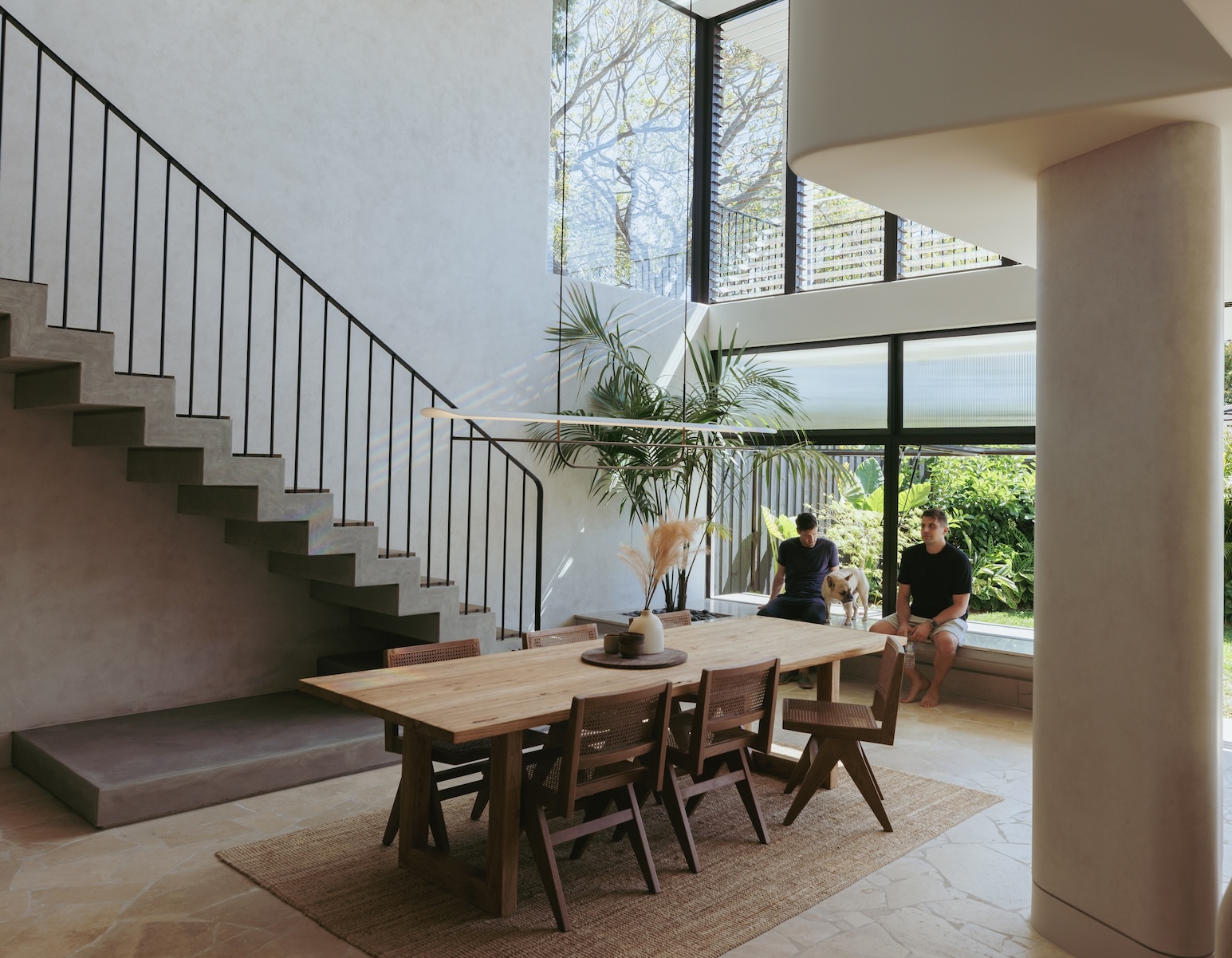
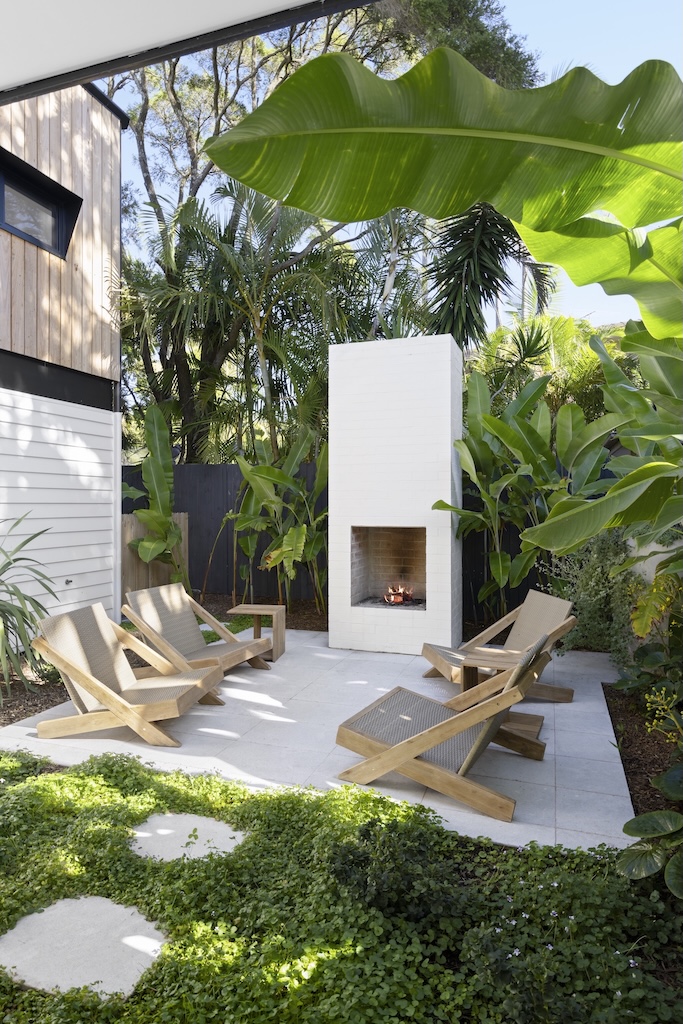
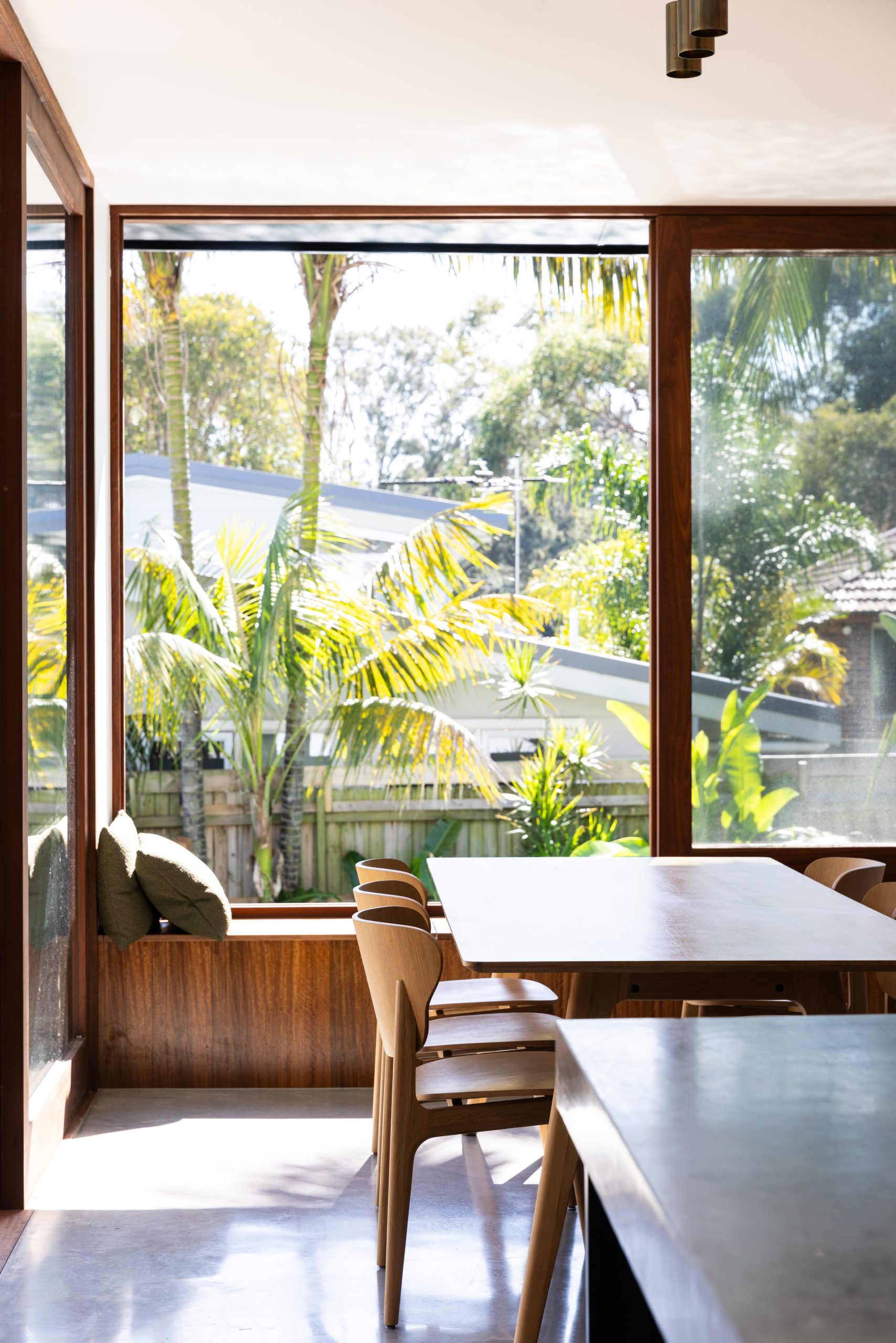
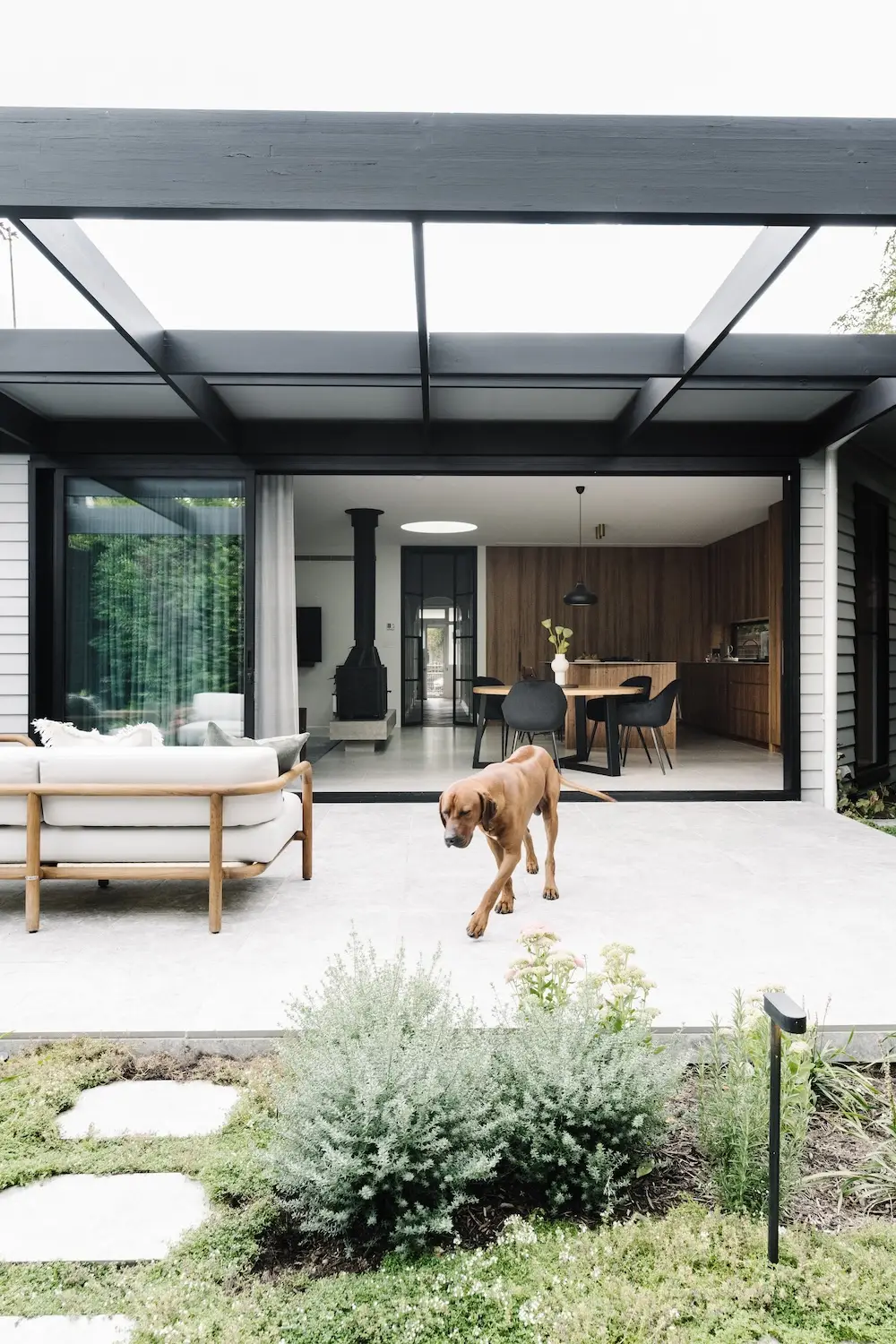
Indoor–outdoor living in Australian residential architecture is the deliberate integration of internal spaces with external environments through planning, structure, orientation and material continuity, rather than simply adding large doors or outdoor areas. When executed well, it improves thermal comfort, natural ventilation, and day-to-day liveability, particularly in temperate and coastal climates.
In Australia, indoor–outdoor living has become a defining characteristic of residential design, but its success depends less on aesthetics and more on how climate, site constraints and construction methodology are resolved early in the design process.
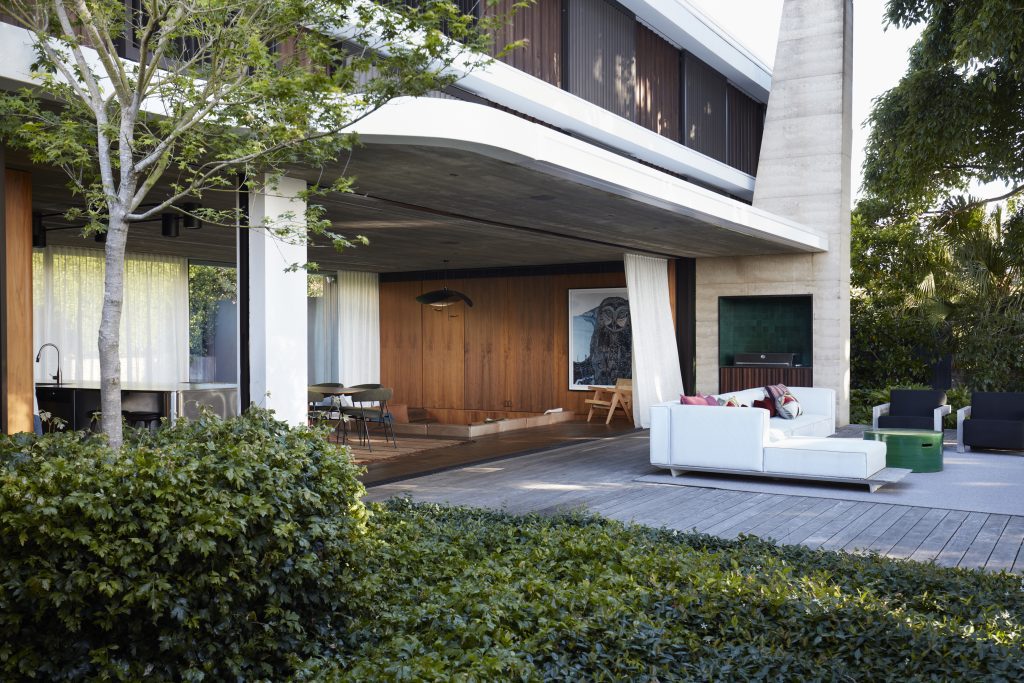
Why indoor–outdoor living matters in Australian homes
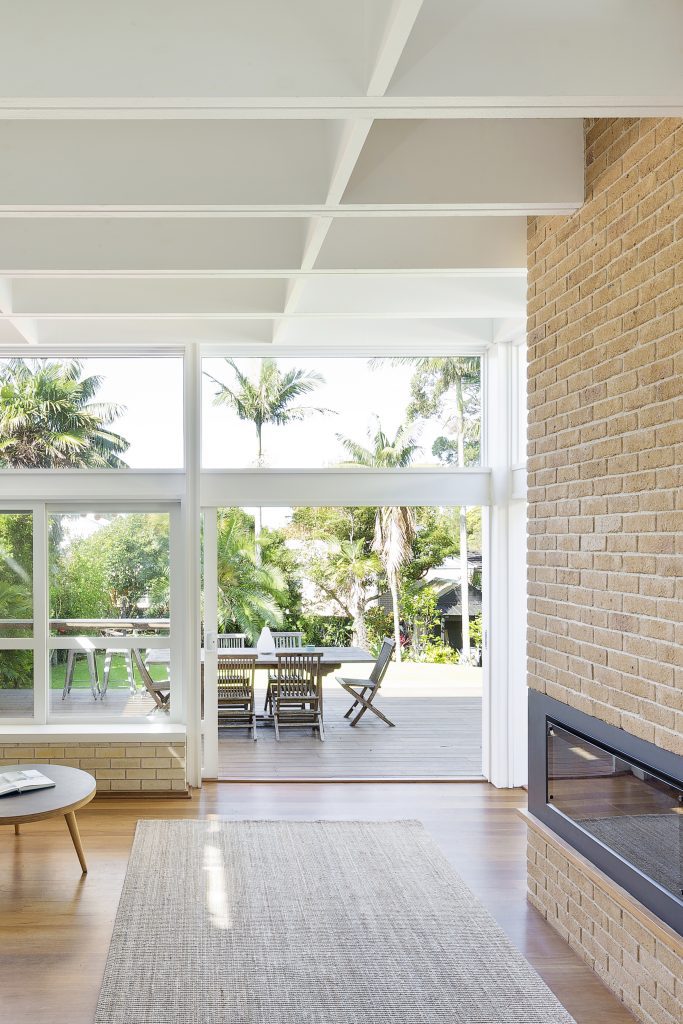
Australia’s climate allows external spaces to be used far more frequently than in many other regions, particularly along the coast and in temperate zones such as Sydney. Well-designed indoor–outdoor connections can reduce reliance on mechanical heating and cooling, improve cross-ventilation, and extend usable living space without increasing internal floor area.
From a passive design perspective, connecting living areas to outdoor spaces supports solar access in winter, shading in summer, and the movement of air through the home. These benefits only materialise, however, when orientation, openings and thresholds are carefully considered rather than treated as architectural gestures.
Indoor–outdoor living is not about doors
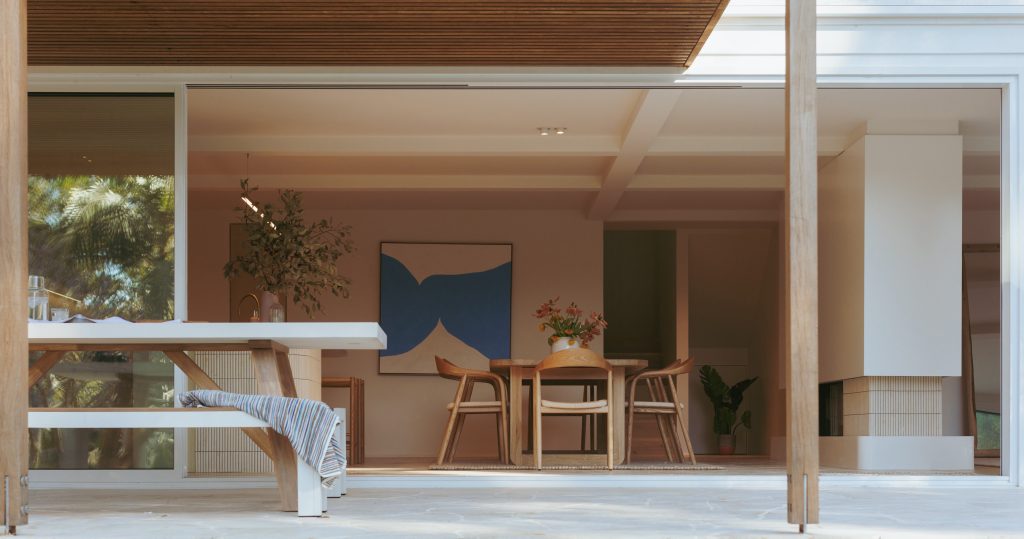
A common misconception is that indoor–outdoor living is achieved by simply installing large sliding or bi-fold doors. In practice, glazing is only one component of a much broader architectural problem.
Successful indoor–outdoor connections rely on:
• consistent floor levels or carefully resolved split levels
• structural planning that allows openings without compromising performance
• weather protection through roof form, overhangs and detailing
• material transitions that manage durability and thermal comfort
• acoustic and privacy control, particularly on tight urban sites
Without resolving these elements, large openings often create homes that are uncomfortable, difficult to live in, or underperform thermally.
Responding to site constraints
Some of the most effective indoor–outdoor outcomes occur on challenging sites, where constraints force more deliberate architectural decisions.
On steep sites, internal and external levels often need to step with the land. Rather than forcing flat thresholds, split-level planning can create stronger visual and physical connections to outdoor spaces while improving solar access and reducing excavation.
On tight urban sites, privacy and overlooking controls frequently limit where openings can occur. In these conditions, courtyards, screened terraces and controlled outlooks often deliver better indoor–outdoor relationships than fully open boundaries.
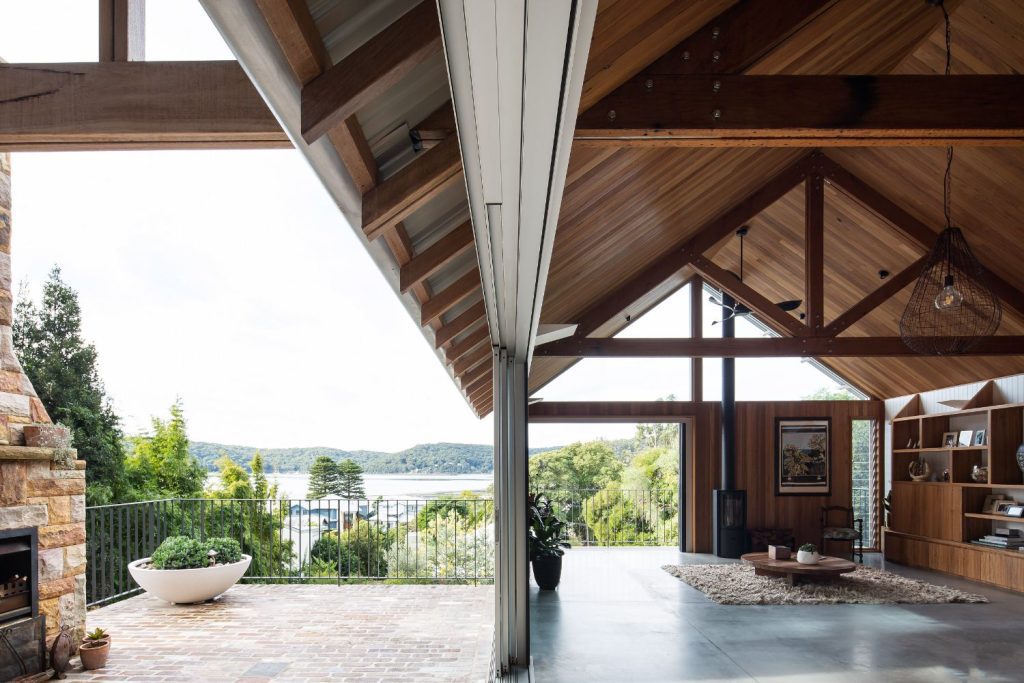
In coastal and exposed locations, wind, salt air and weather extremes require a more robust approach. Openings must be selectively positioned, and outdoor spaces often need partial enclosure to remain usable year-round. In these environments, indoor–outdoor living is about controlled connection, not full exposure.
The role of passive design
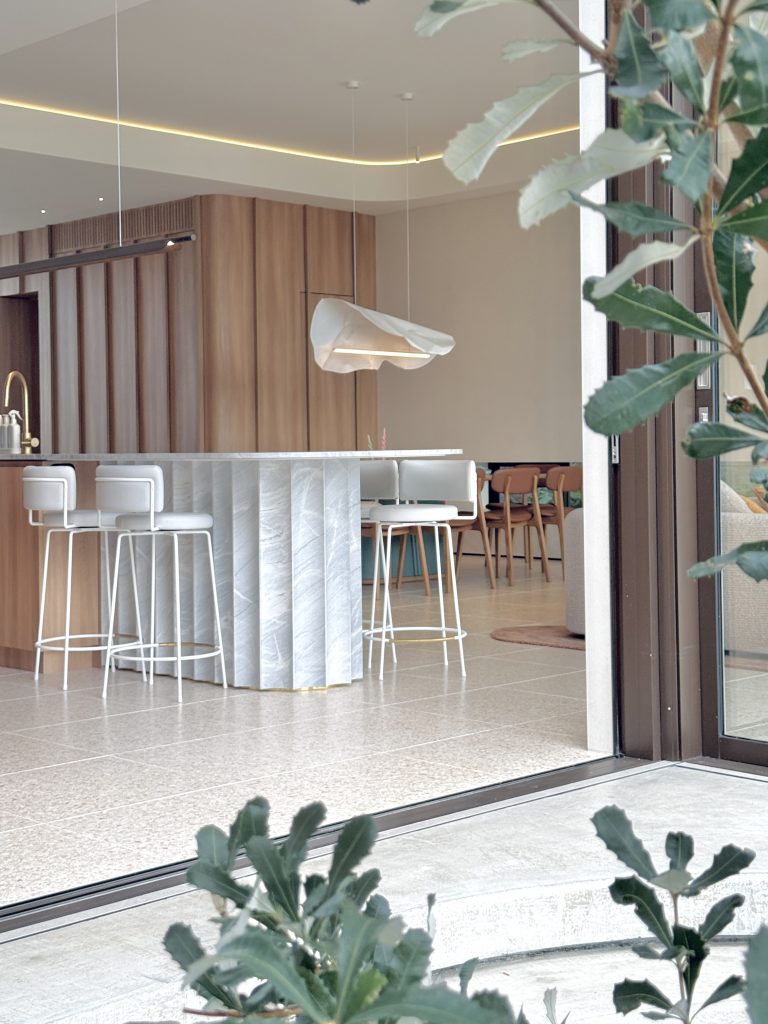
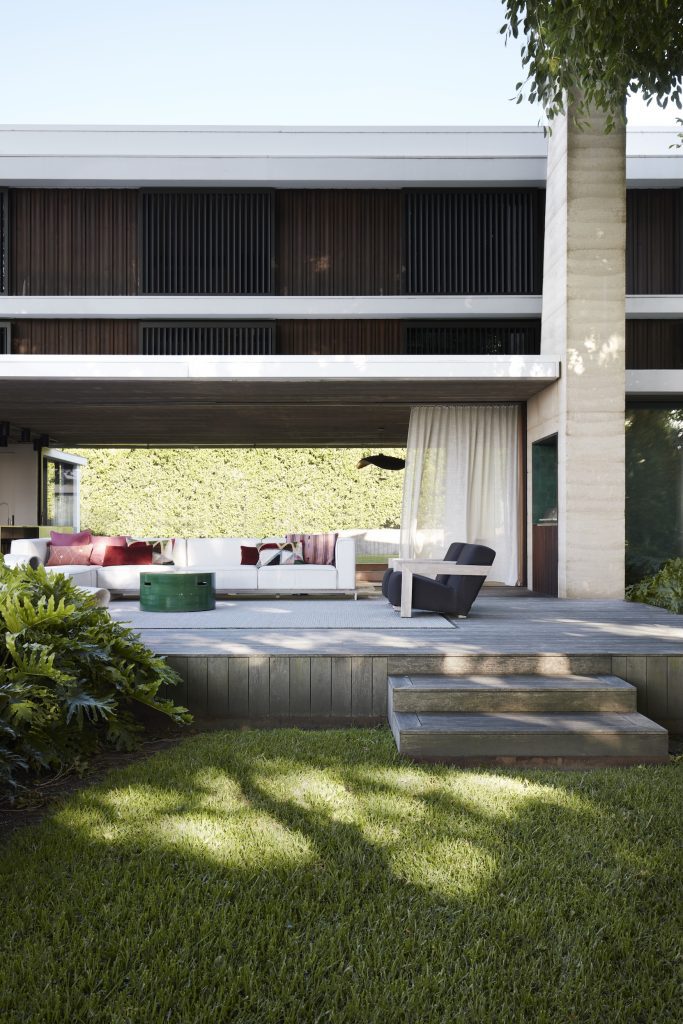
Indoor–outdoor living and passive design are closely linked, but they are not interchangeable.
Passive design principles inform:
• where outdoor spaces are located
• how deeply sunlight penetrates internal areas
• how air moves through the building
• how heat is retained or excluded seasonally
When internal living areas are aligned with outdoor spaces that receive appropriate solar access and protection, the boundary between inside and outside becomes functional rather than symbolic. This approach is particularly important for exposed homes, where poor detailing can quickly undermine comfort.
Construction methodology and buildability
Indoor–outdoor connections must be buildable, not just conceptually appealing. Floor level alignment, drainage, waterproofing and structural spans all affect how these spaces are constructed.
On constrained or difficult sites, construction methodology should be reviewed early to ensure:
• tolerances can be achieved on site
• materials are appropriate for exposure
• sequencing does not compromise performance
• long-term maintenance is considered
In practice, many indoor–outdoor failures stem from buildability issues rather than design intent.
Applied experience in residential projects
In a number of residential projects across Sydney’s Northern Beaches and other exposed locations, indoor–outdoor connections have been resolved by prioritising orientation, controlled openings and material durability over fully open façades. In these cases, external spaces function as extensions of living areas without sacrificing comfort or performance.
Rather than treating outdoor areas as add-ons, these projects integrate them into the planning logic of the home, allowing them to operate as part of the passive system.
When indoor–outdoor living does not work
Not every site or brief supports a strong indoor–outdoor relationship. Poor orientation, excessive exposure, high noise environments or restrictive planning controls can limit the effectiveness of these strategies.
In these situations, attempting to force large openings or outdoor connections often results in compromised outcomes. Good residential architecture recognises when a more contained approach will deliver better long-term liveability.
Indoor–outdoor living is not a universal solution, but when thoughtfully designed, it remains one of the most effective ways to improve comfort, sustainability and everyday use in Australian homes.
If you would like to discuss how to maximise indoor-outdoor living in your home please feel free to Contact Us