

Why Sydney’s Wealthiest Homeowners Are Buying Complexity Instead of Convenience
For decades, premium residential property followed a relatively predictable formula.
The most sought-after sites were often the easiest ones: flat land, favourable orientation, straightforward planning pathways and minimal construction risk. Wealth was used to remove obstacles and create certainty.
Increasingly, we are seeing something different.
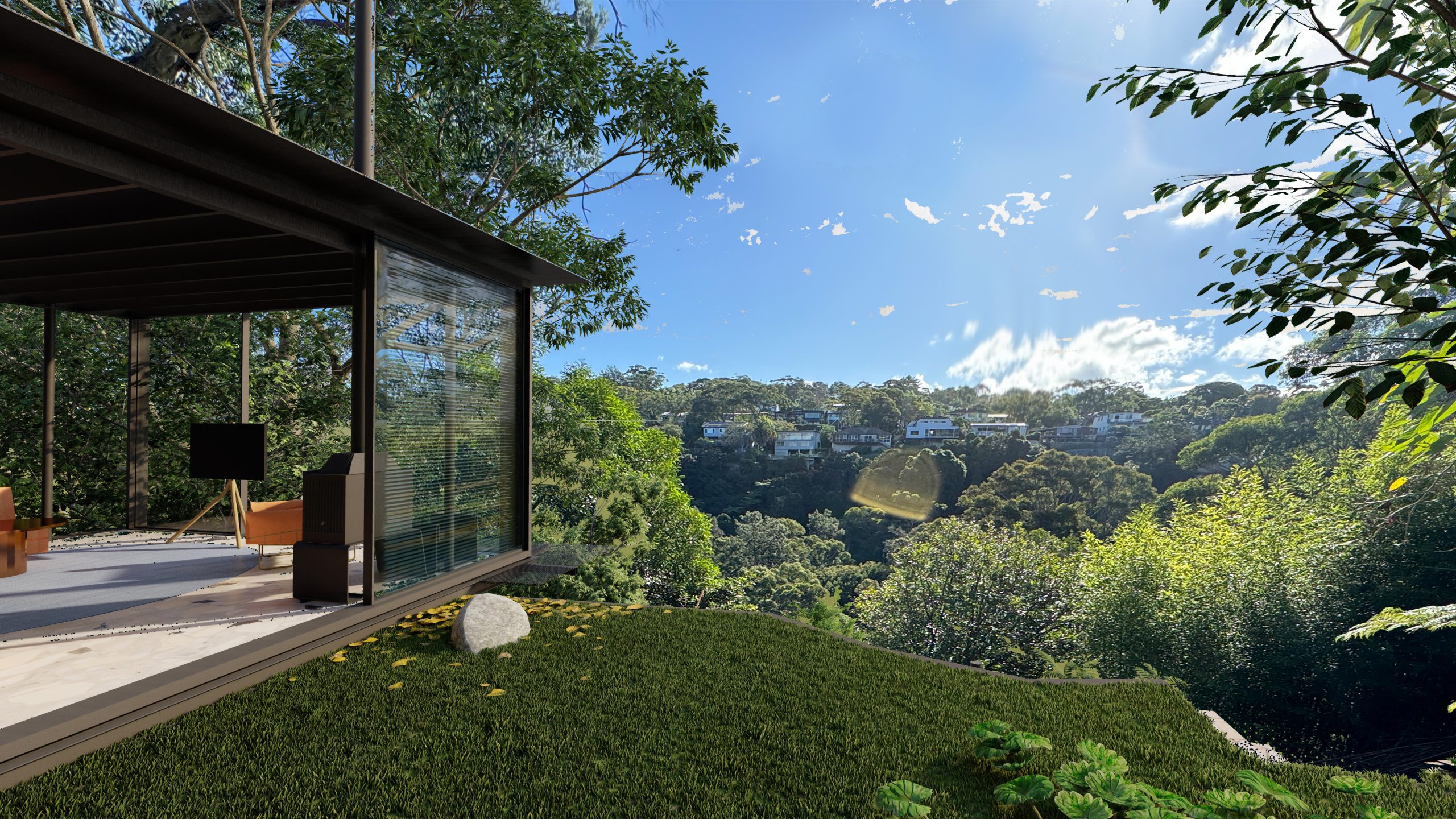
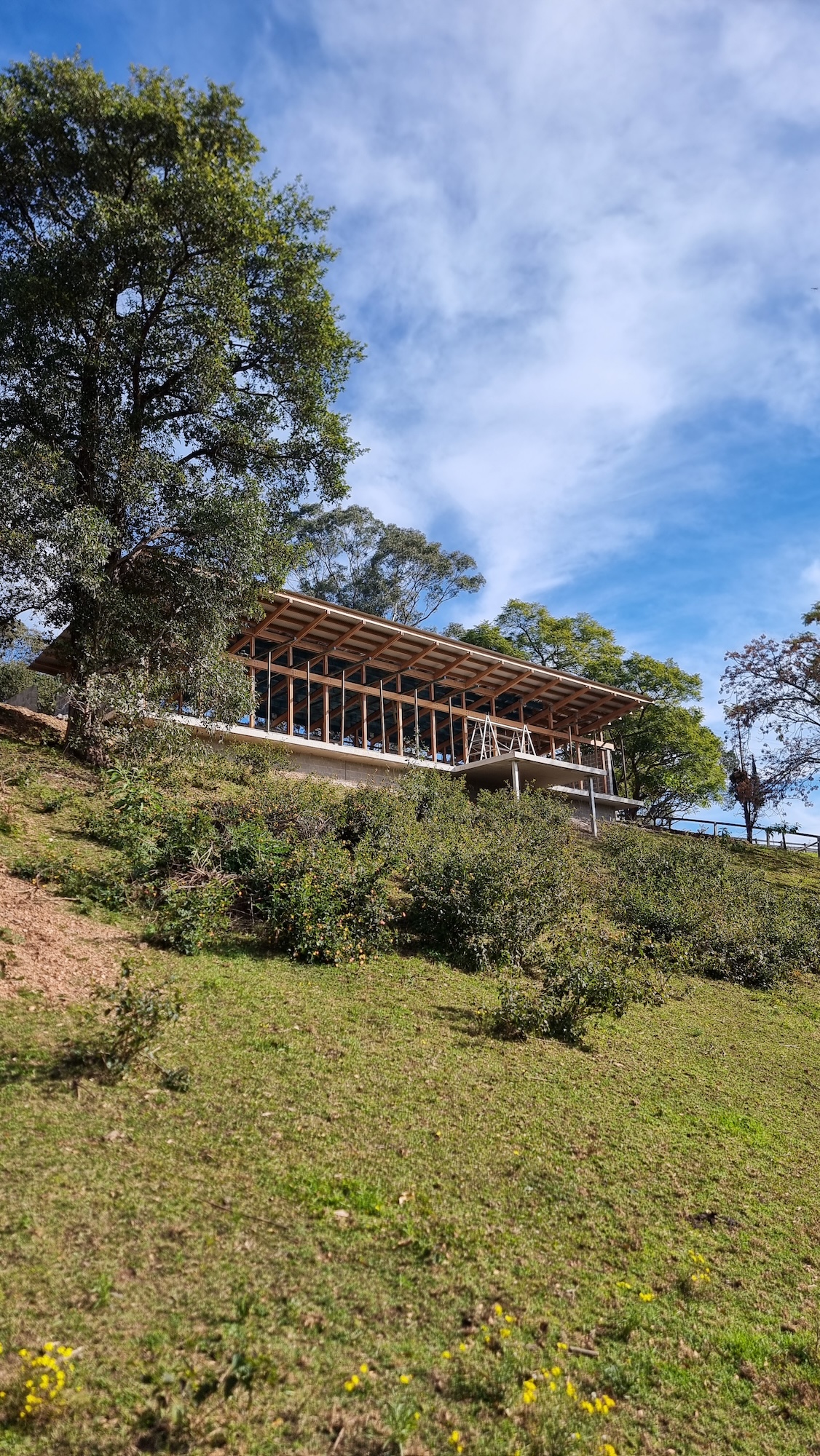
Across Sydney’s Northern Beaches and the Illawarra, many of the most committed and design-focused clients are deliberately pursuing sites that would once have been considered undesirable. Steep topography, bushfire constraints, protected vegetation, complex planning controls and difficult access are no longer viewed solely as obstacles. In many cases, they are becoming part of the appeal.
Historically, wealth bought convenience. Today, it is increasingly being used to unlock complexity.
At first glance, this may seem counterintuitive. Why would someone willingly purchase a site that requires additional consultants, planning reports, engineering input and construction complexity when easier alternatives exist?
The answer lies in what those constraints often protect.
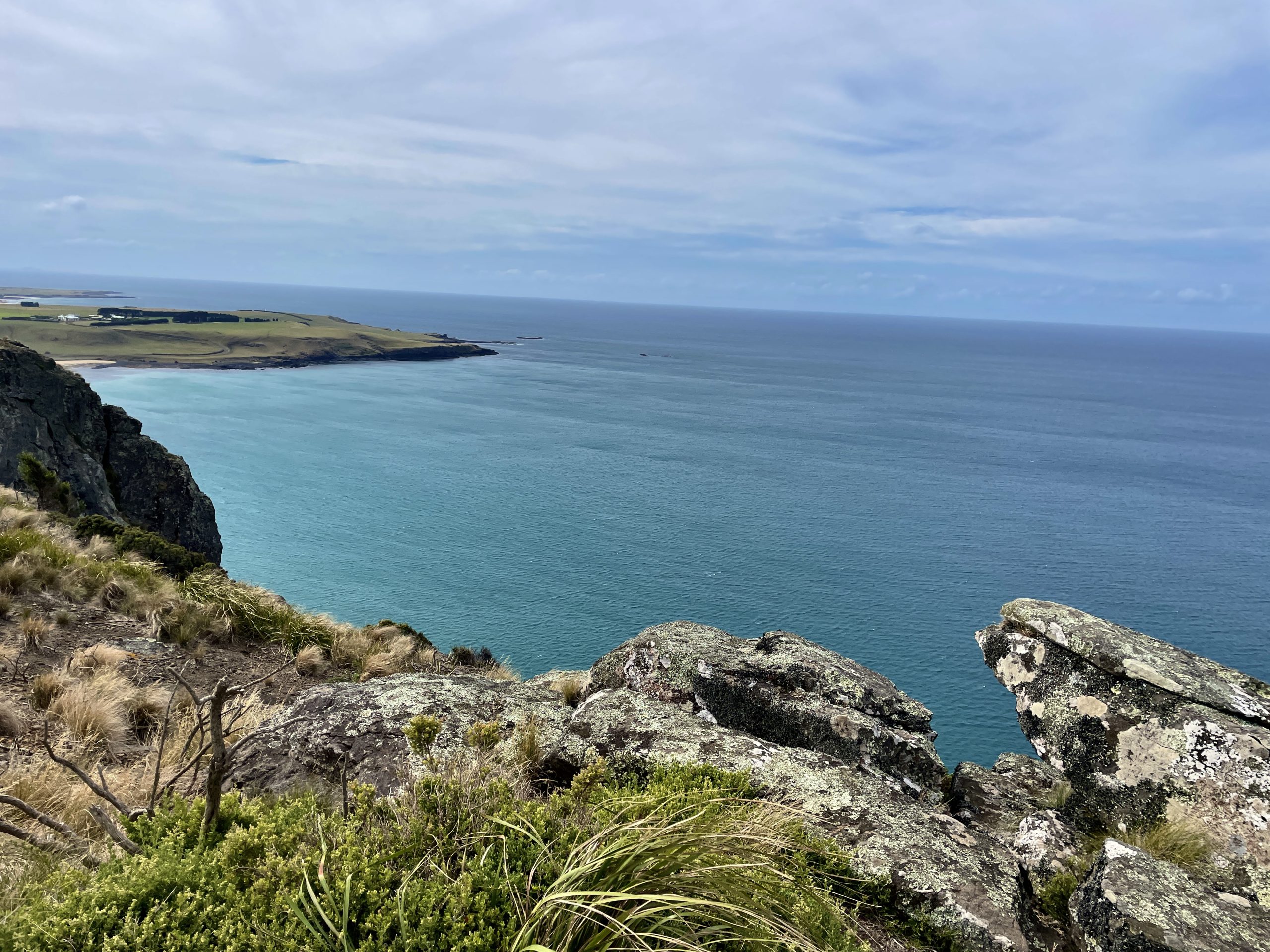
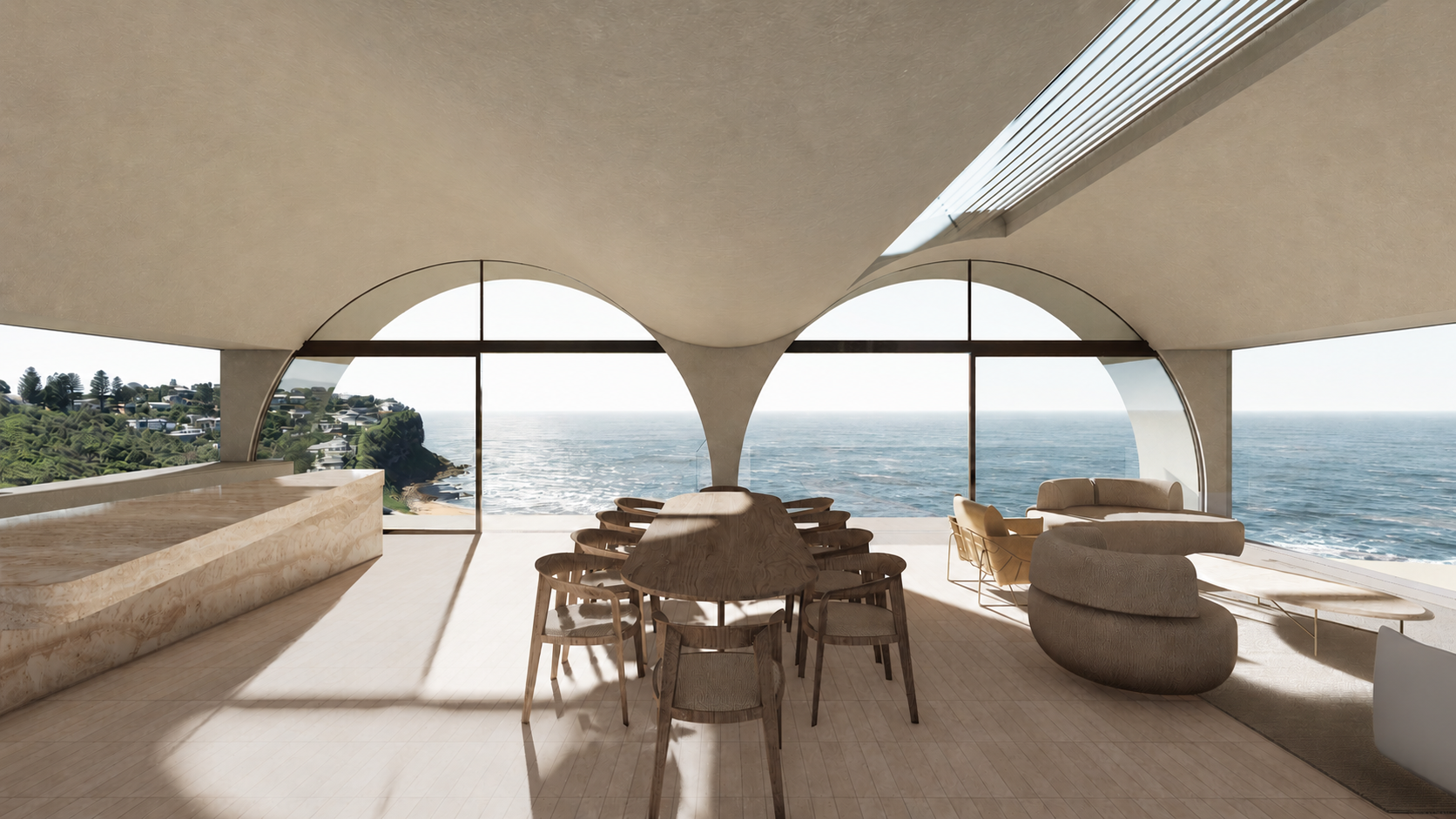
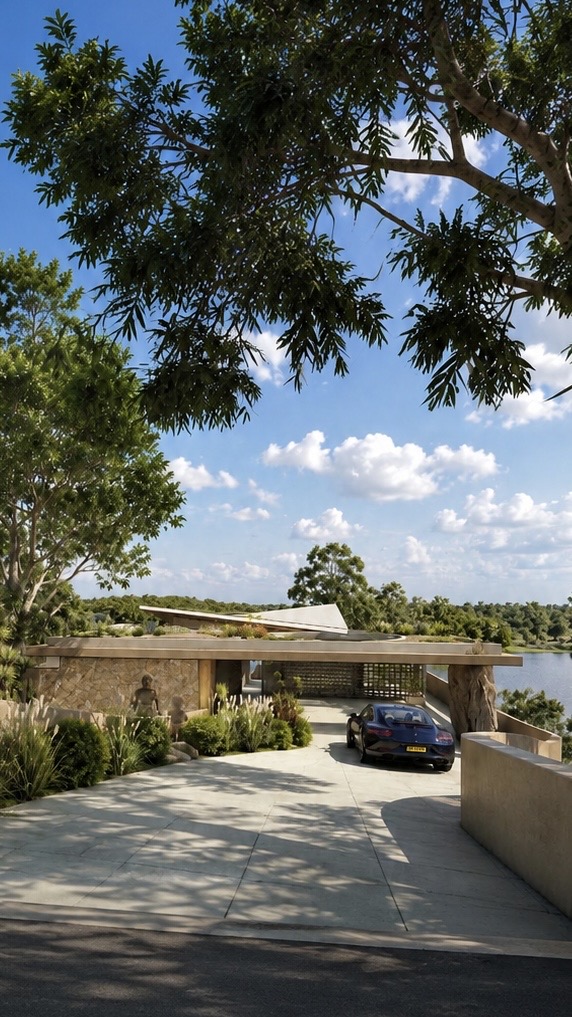
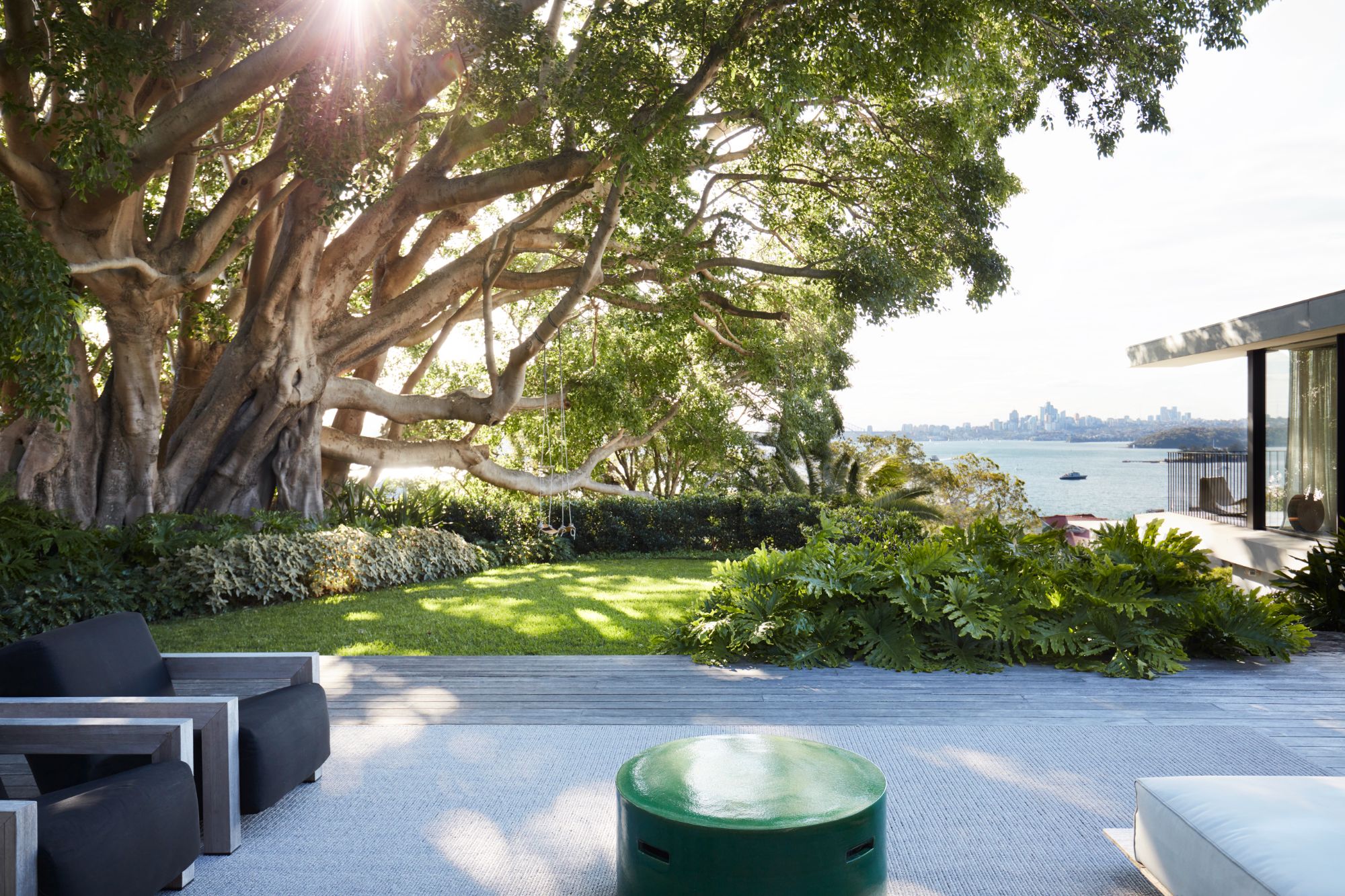
Many of the most extraordinary residential experiences are found on land that resists development. A steep escarpment overlooking the ocean. A home immersed within a mature tree canopy. A bushland setting protected by environmental controls. A site shaped by topography rather than cleared and flattened to suit conventional suburban expectations.
The very constraints that complicate development often preserve the qualities that make a place unique.
As Sydney continues to mature and premium suburbs become increasingly built out, scarcity is shifting. Location remains important, but location alone is no longer enough. Increasingly, buyers are seeking experiences that cannot easily be replicated.
This shift is changing how architects, planners and homeowners think about value.
In the past, a difficult site often attracted a discount because of the perceived risk involved. Today, many sophisticated buyers recognise that complexity can create a form of scarcity that is difficult to reproduce elsewhere. The challenge is no longer something to avoid. It becomes the admission price for access to a unique setting.
We are seeing clients deliberately embrace constraints that would have historically reduced a site’s appeal because those same constraints often protect the qualities they value most.
This is particularly evident across coastal and bushland locations. In places such as Seaforth, Coledale and Wombarra, some buyers are actively seeking land that offers immersion within landscape, dramatic topography, privacy and a stronger connection to place. Achieving these outcomes frequently requires a team of specialists, including bushfire consultants, ecologists, arborists, planners and structural engineers.
What was once considered a problem increasingly becomes part of the opportunity.
Importantly, this is not simply a story about larger budgets. It reflects a broader shift in values.
For many homeowners, luxury is becoming less about size and more about experience. Less about visibility and more about authenticity. Less about controlling a site and more about responding to it.
The most memorable homes are rarely those imposed upon the landscape. They are often the result of working carefully within its constraints.
As architects, we are finding that some of the most exciting projects emerge from sites others may initially overlook. The steep block. The bushfire-prone parcel of land. The site wrapped around a significant tree. The challenging coastal escarpment.
These places demand patience, expertise and collaboration. They are not always easy.
But increasingly, that is precisely the point.
The future of premium residential property may not belong to those seeking to remove complexity. It may belong to those willing to embrace it.
Thinking of building on a complex site?
CONTACT US today to find out how to maximise your sites potential