


For many families, the dream home is imagined as a collection of rooms. A larger kitchen. More bedrooms. A bigger living area. Perhaps a separate media room or study.
But the homes that perform best over time are rarely defined by the number of rooms they contain.
They are defined by how they support everyday life.
At buck&simple, we often find that great family homes are less about creating more space and more about understanding how families actually live. The small moments of daily life often have a greater impact on the success of a home than its overall size.
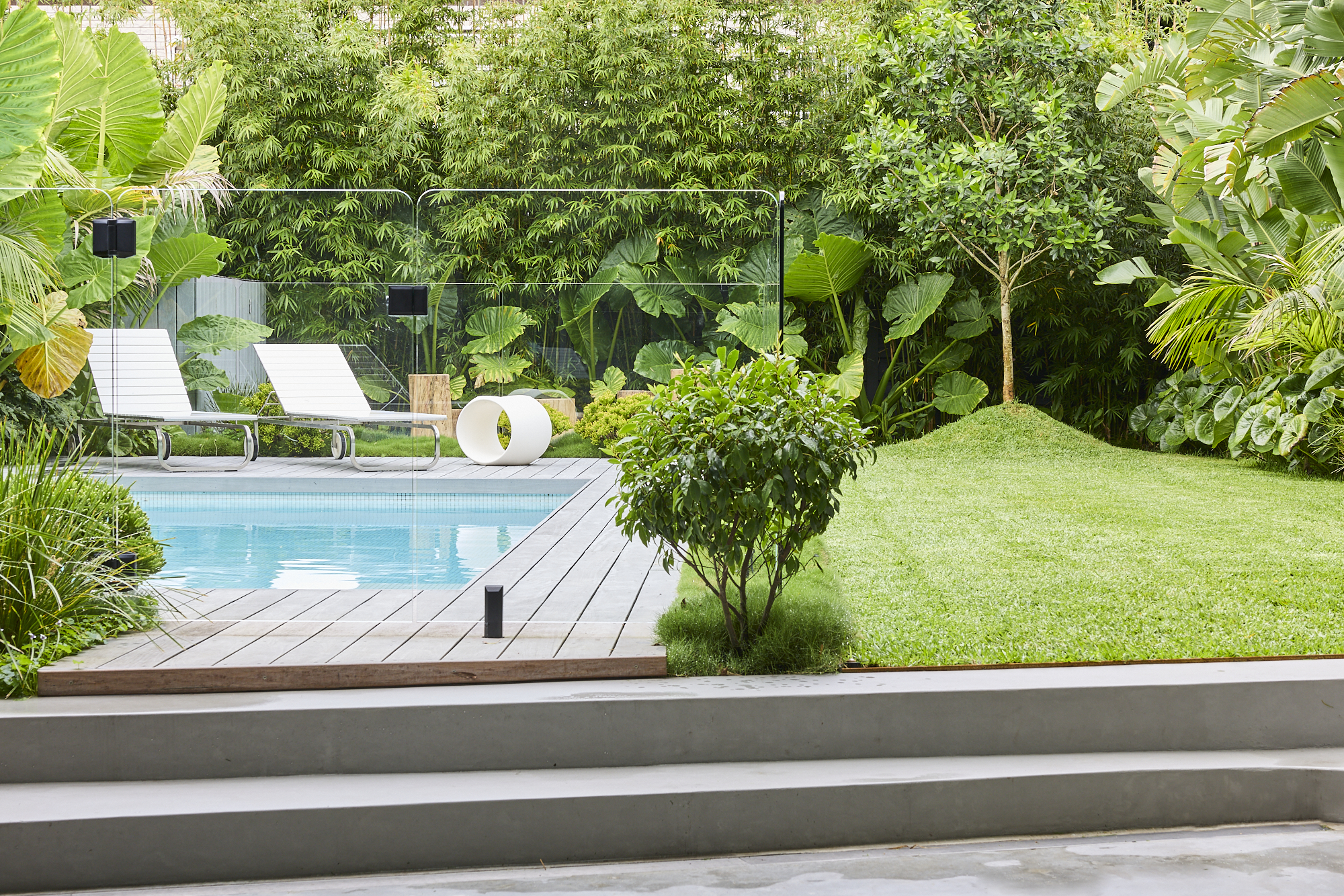
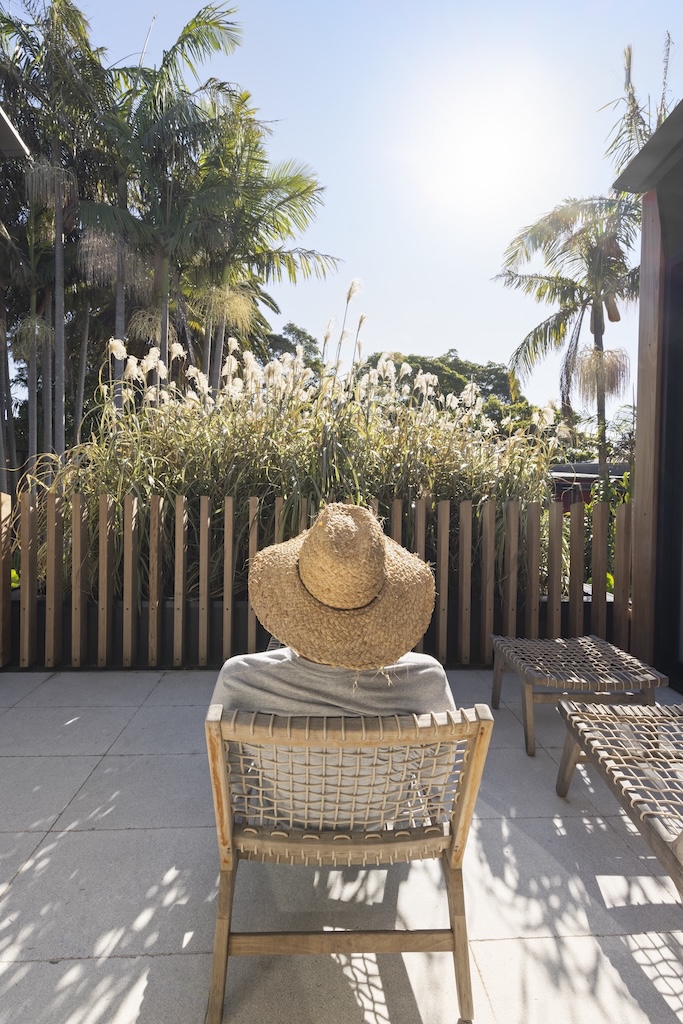
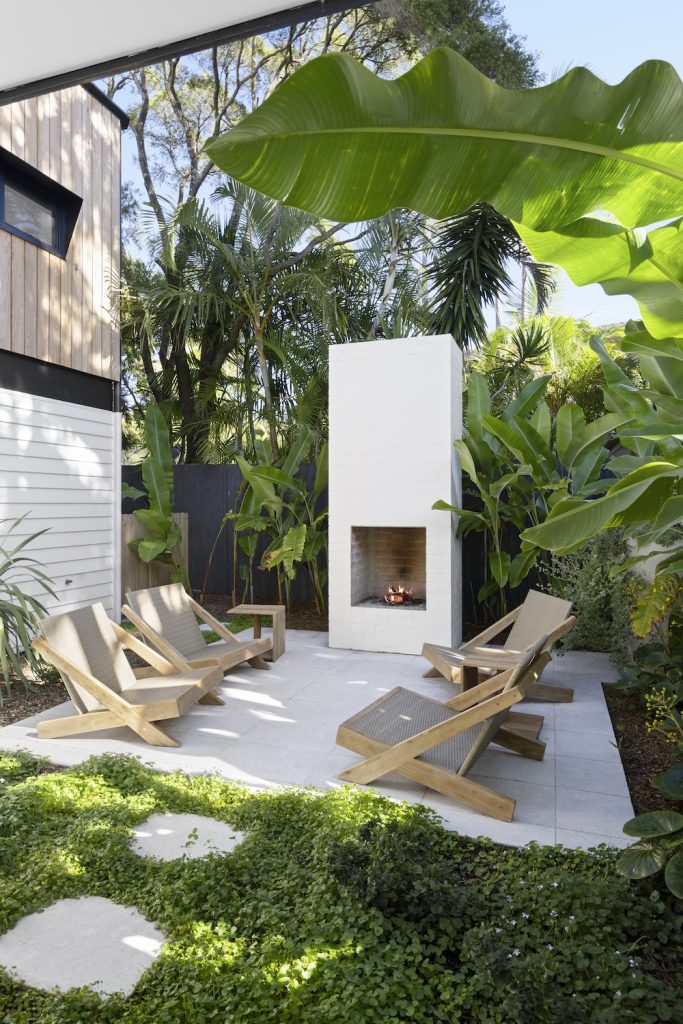
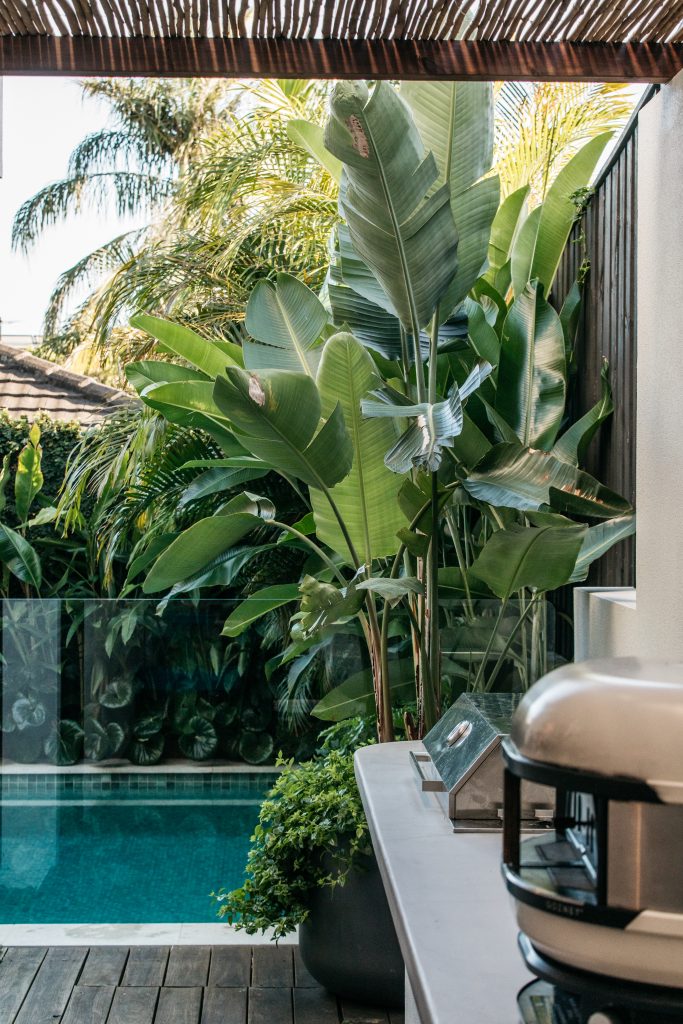
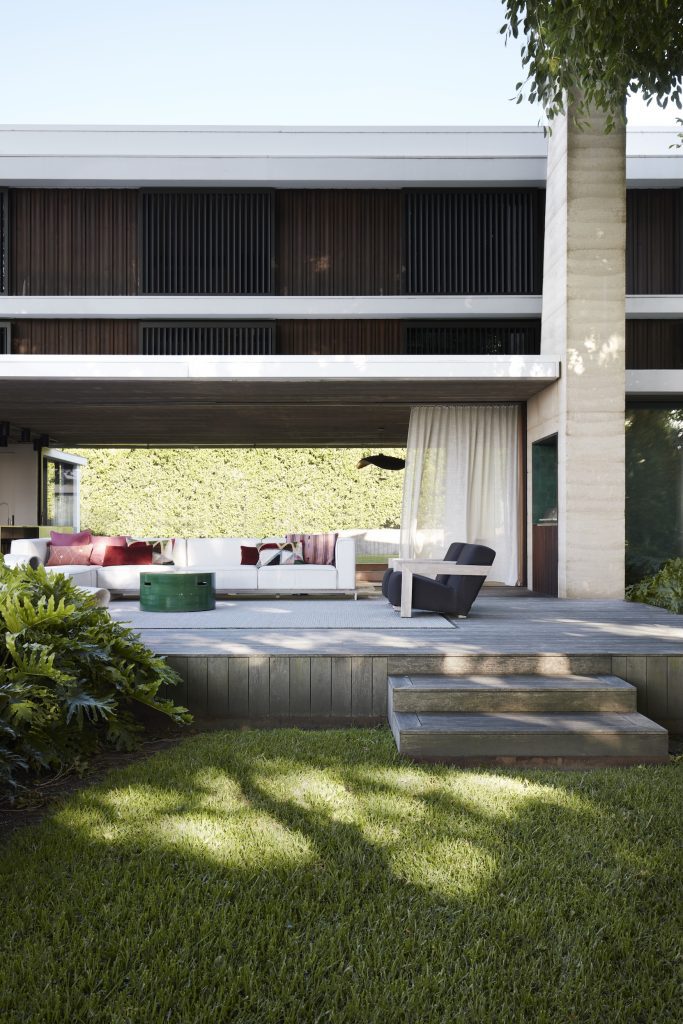
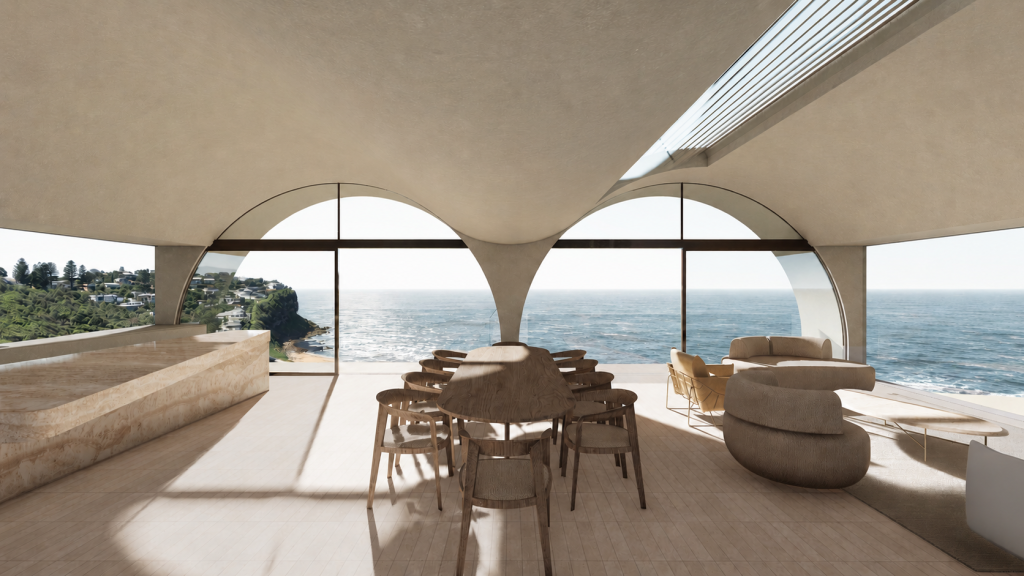
Particularly in coastal locations, family life tends to spill beyond the walls of the home. Days are shaped by beach visits, sport, entertaining, outdoor dining and a constant movement between inside and outside. The challenge is not creating more rooms. It is creating spaces that support that lifestyle effortlessly.
One of the simplest examples is the humble door.
In contemporary architecture there is often a desire to create large, open spaces. While openness is important, families also need the ability to separate activities, control noise and create moments of privacy.
A door can be one of the most valuable tools in a home.
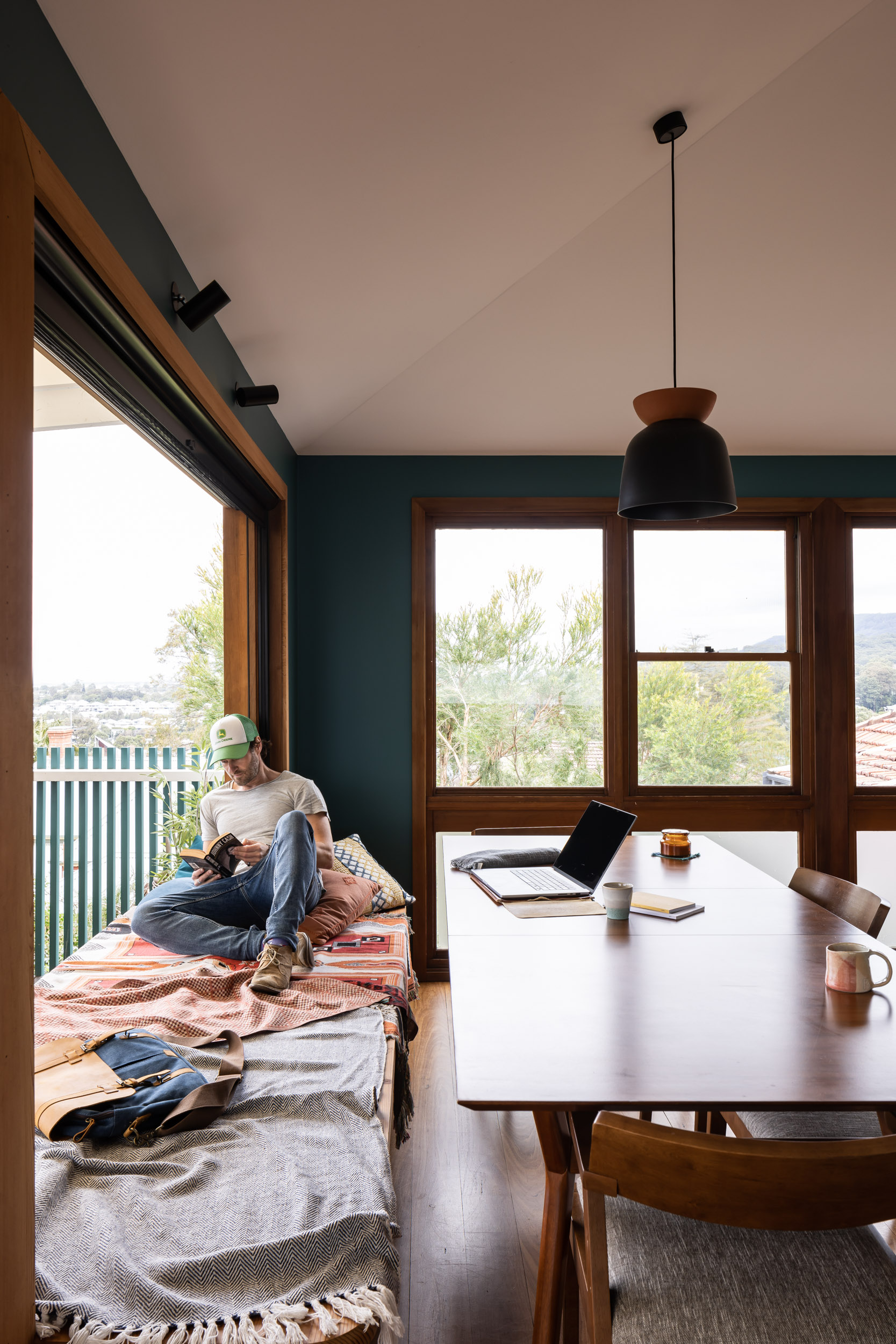
It allows children to study while others entertain. It allows parents to work while family life continues around them. It allows spaces to evolve throughout the day and across different stages of life.
The most successful homes balance connection with separation.
Equally important is what happens when families return home.
In coastal environments, homes need to accommodate sandy feet, wet towels, surfboards, sporting equipment, school bags and all the realities that come with an active lifestyle. Mudrooms, utility spaces, generous storage and durable finishes become less of a luxury and more of an essential part of how the home functions.
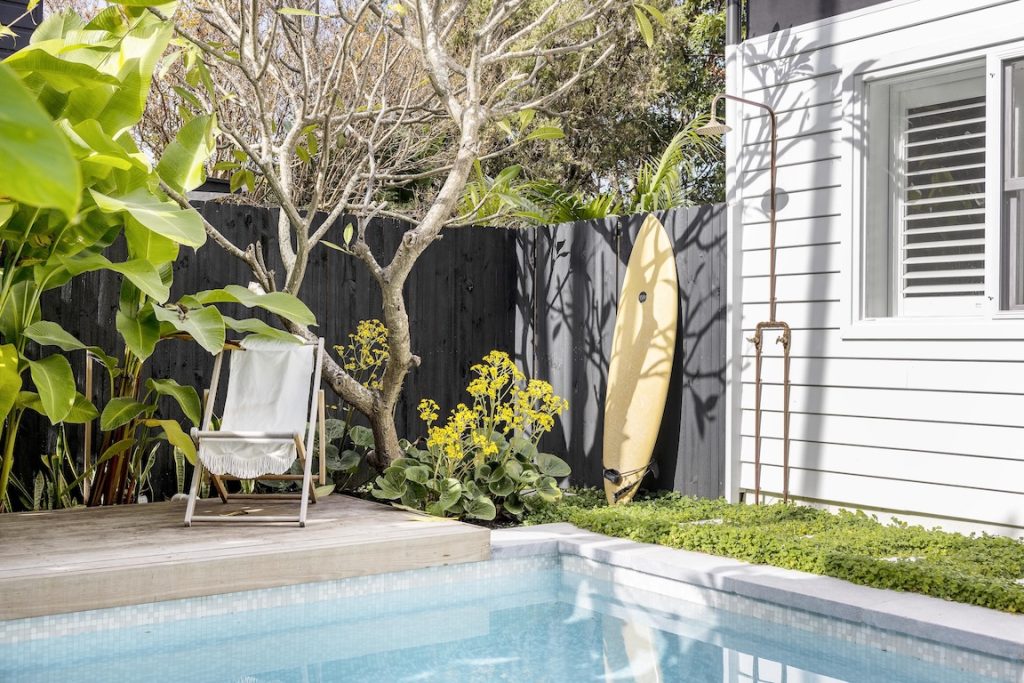
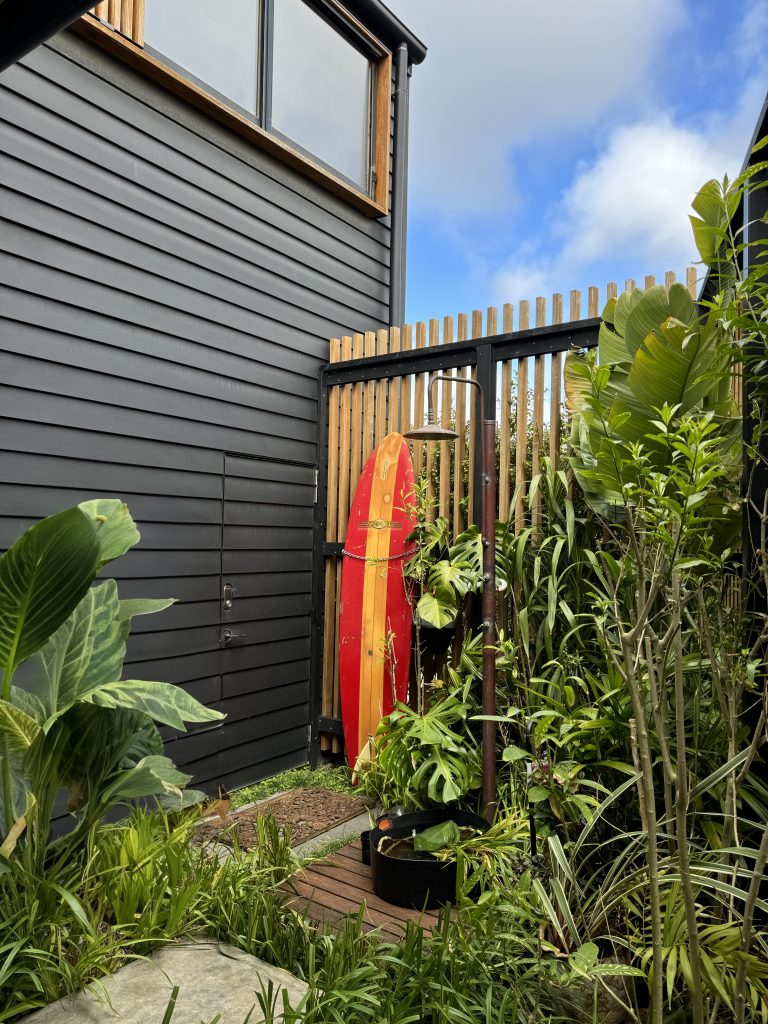

When these practical elements are considered from the beginning, daily life becomes easier.
Storage is often another overlooked contributor to family wellbeing.
A calm home is rarely the result of having fewer possessions. More often, it is the result of having a place for everything.
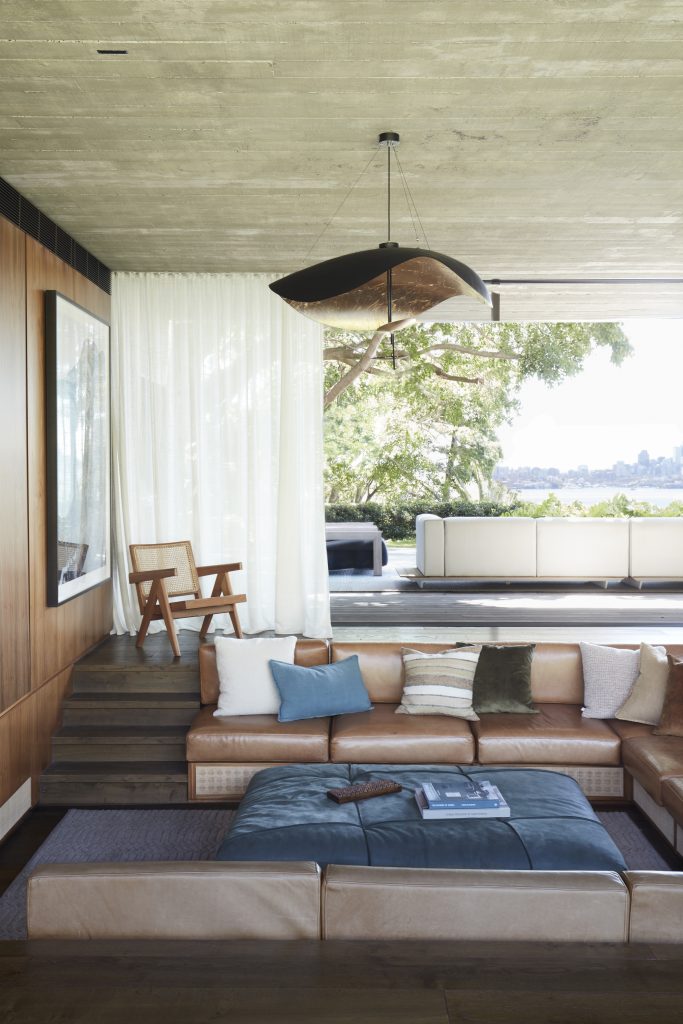
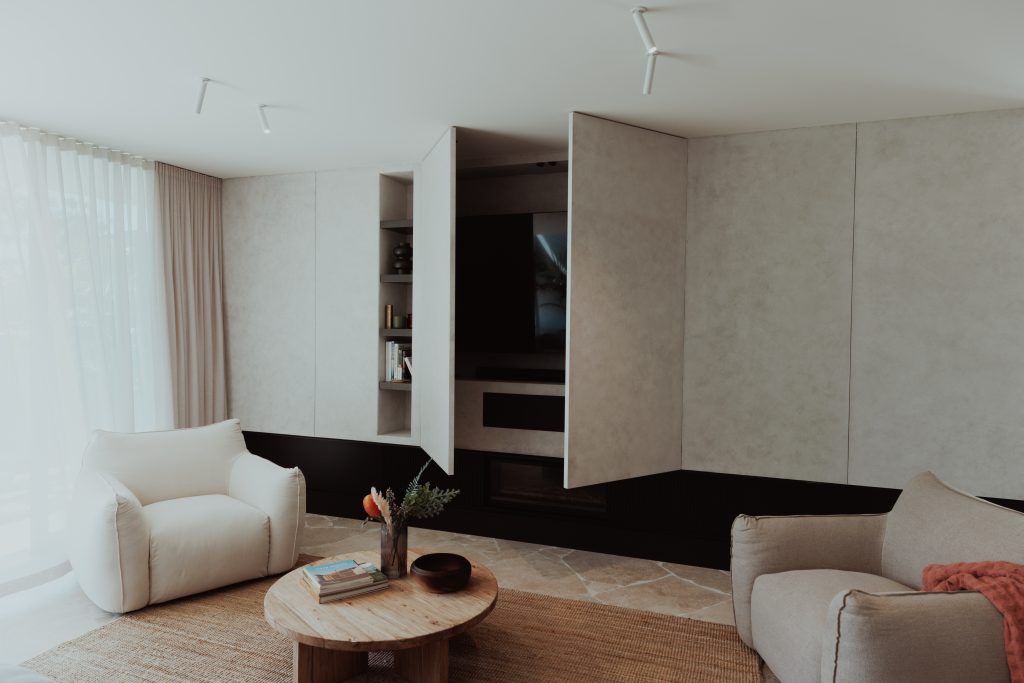
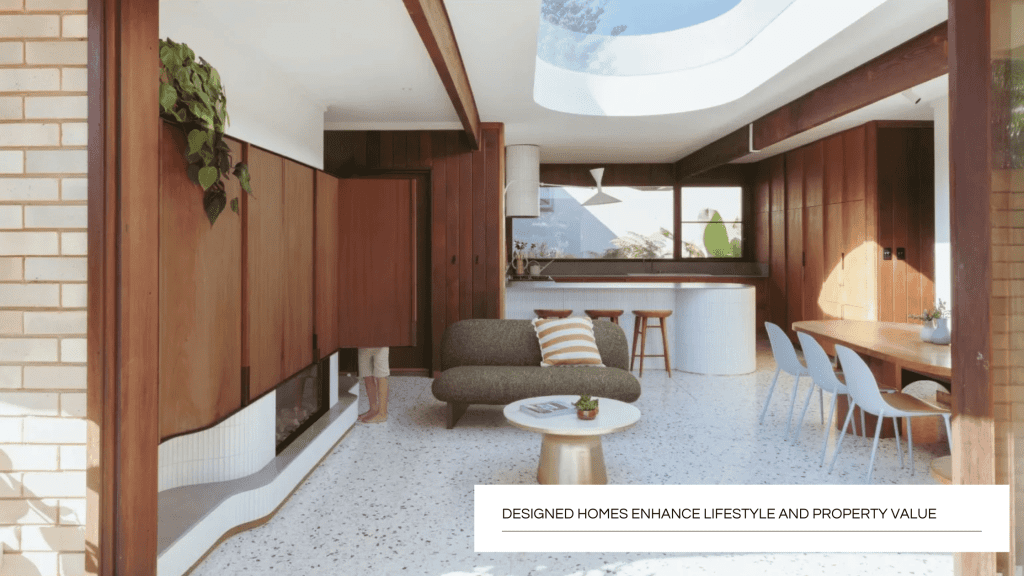
Integrated joinery allows homes to remain flexible, organised and visually calm. Thoughtful storage can conceal the inevitable clutter of family life while ensuring everyday items remain easily accessible. Deep drawers often outperform overhead cupboards. Dedicated appliance storage can simplify busy mornings. Custom joinery can transform underutilised areas into highly functional spaces.
Nowhere is this more evident than when entertaining.
Many clients tell us they want homes that feel welcoming and relaxed when guests arrive. Achieving this is often less about creating larger entertaining spaces and more about supporting them behind the scenes.
A well-designed butler’s pantry, generous preparation areas, deep sinks, additional dishwashers and concealed storage all allow a home to continue functioning even when filled with people. The mess can be dealt with later. The experience remains effortless.
Materiality also plays an important role in family living.
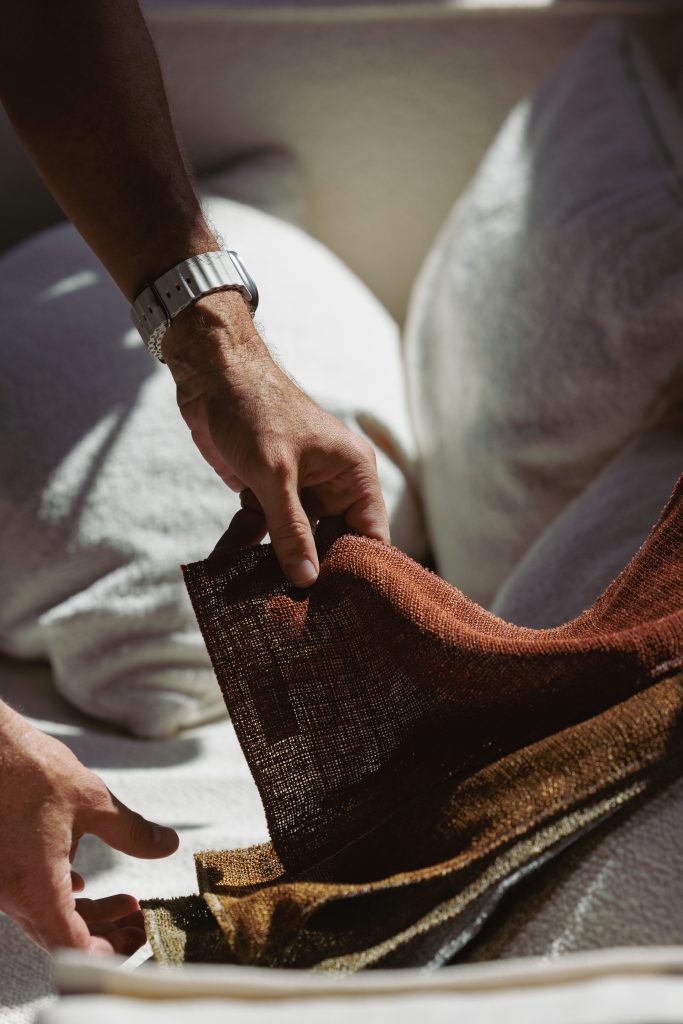
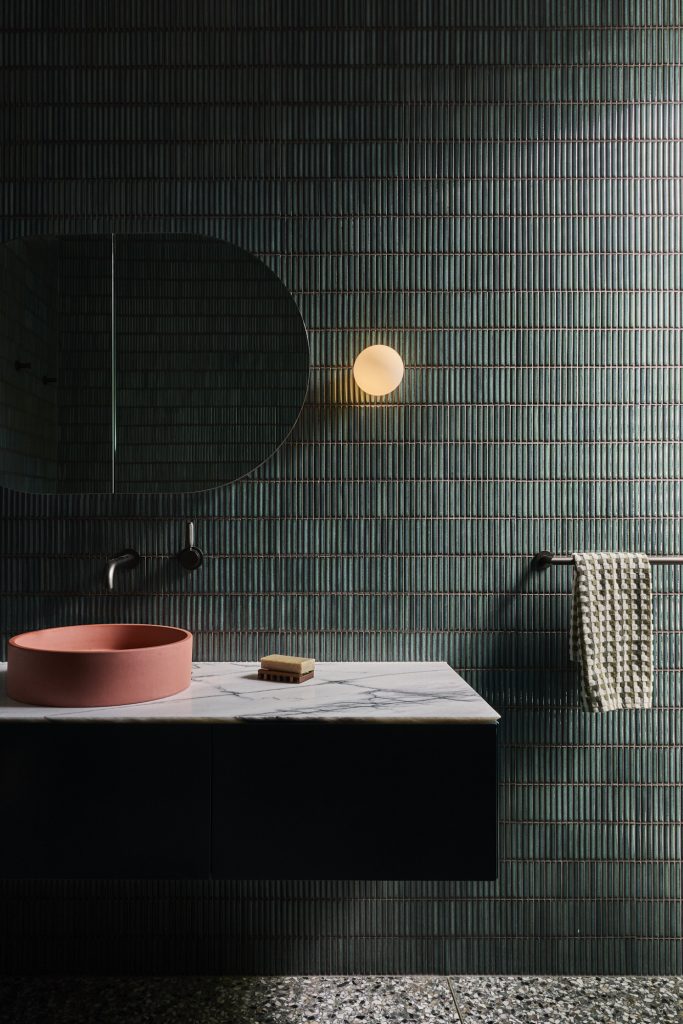
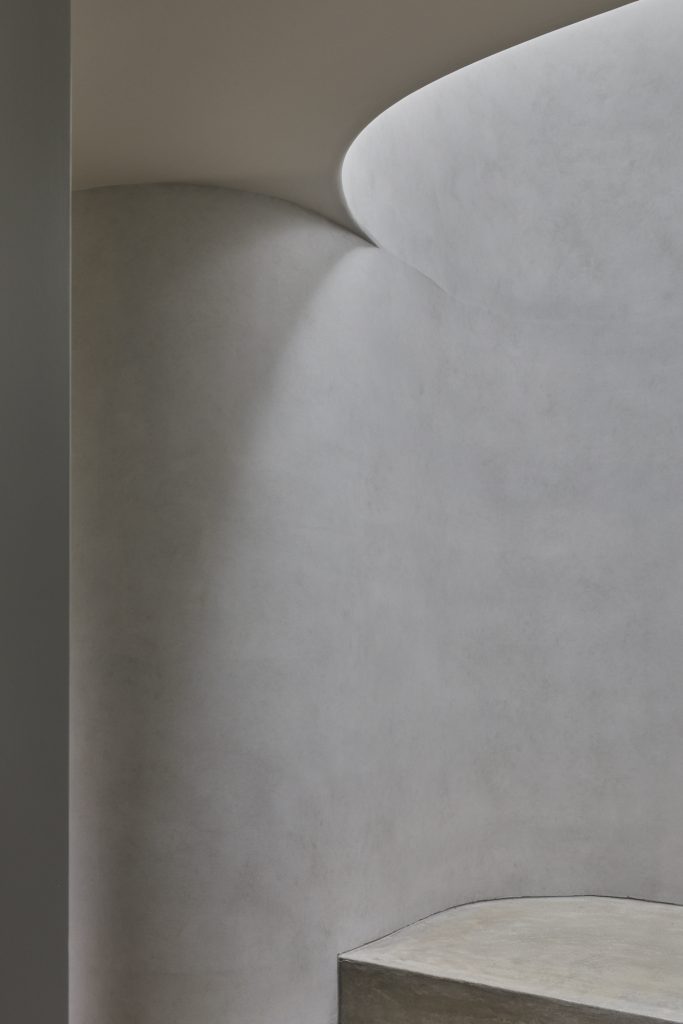
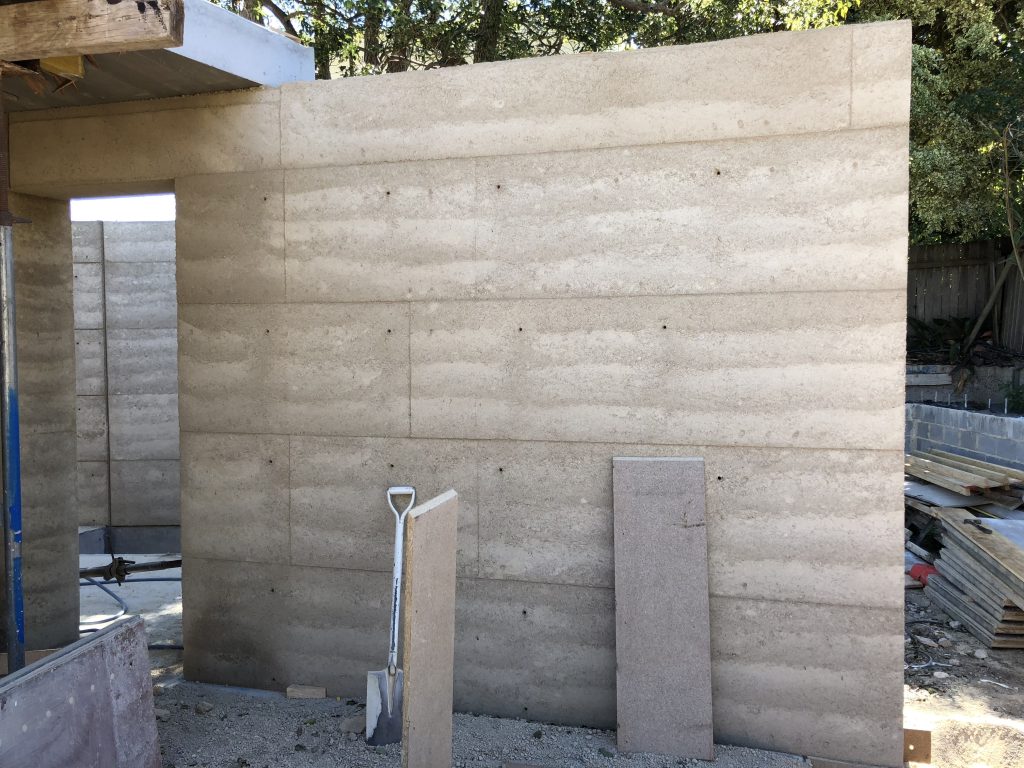
The finishes we select influence not only how a home looks, but how it feels and performs over time. Natural materials often age gracefully and become richer with use. Durable surfaces reduce maintenance. Carefully considered palettes create a sense of calm and cohesion throughout the home.
Interior design is not simply about aesthetics. It is about shaping the experience of living within a space every day.
Underlying all of these decisions is a broader principle.
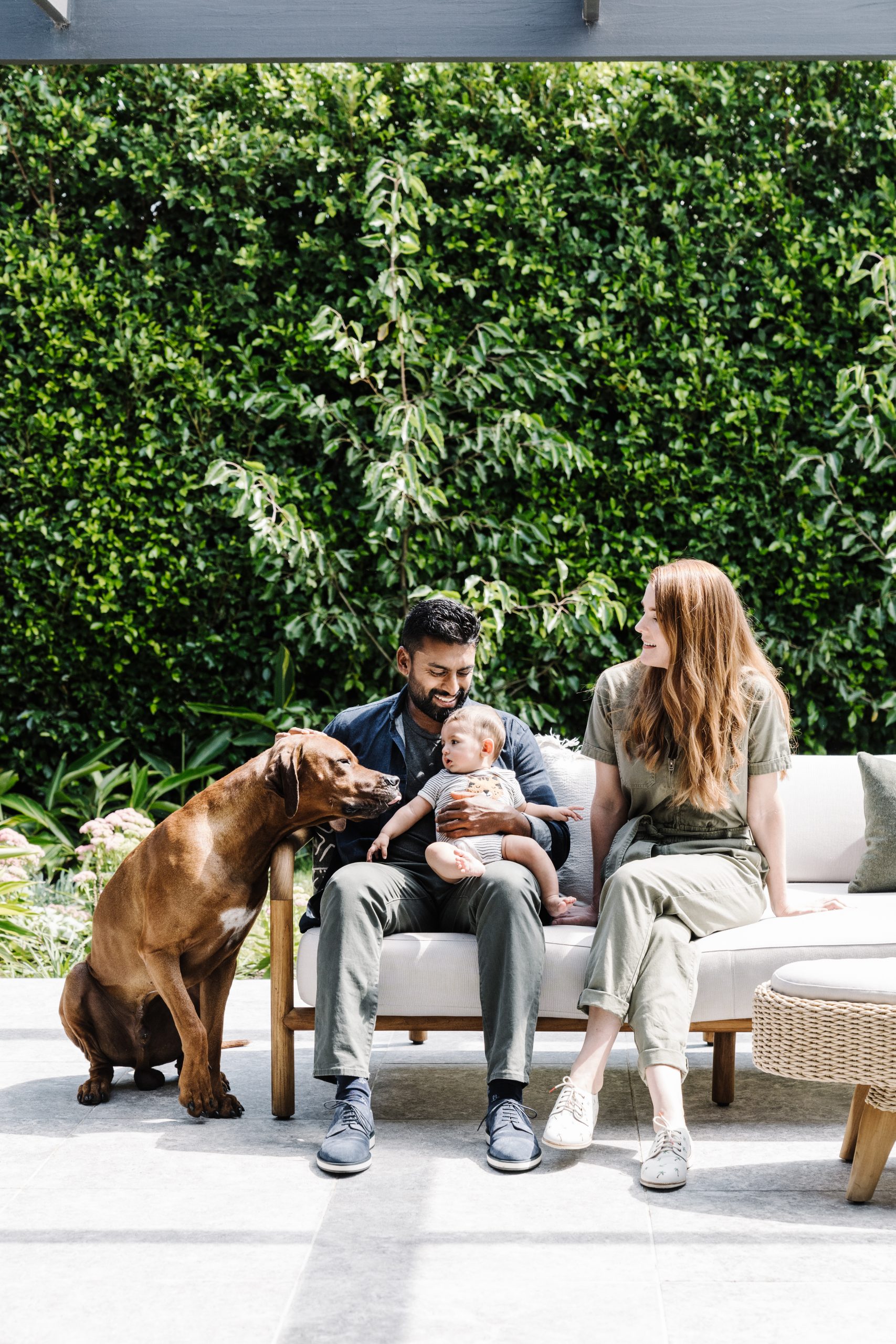
A comfortable family is often a happier family.
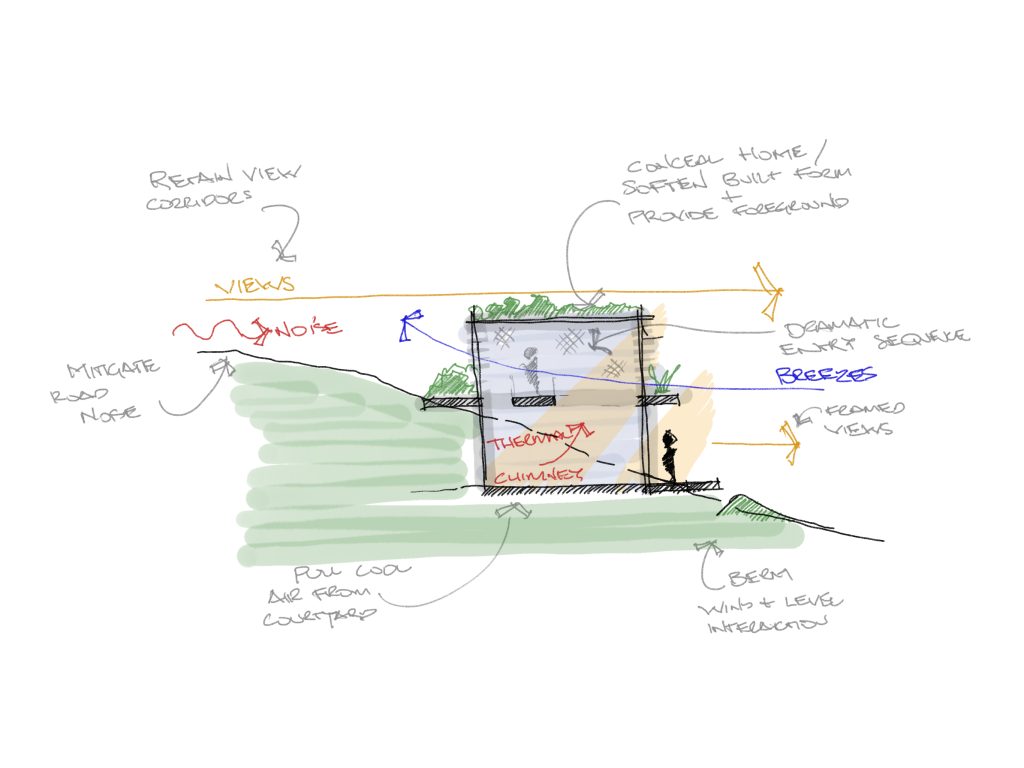
Good passive design contributes enormously to that outcome. Natural light, cross ventilation, solar orientation and thermal comfort help create homes that feel pleasant throughout the year while reducing reliance on mechanical heating and cooling.
When a home remains comfortable naturally, family life tends to gravitate towards shared spaces. The house becomes easier to inhabit and more enjoyable to occupy.
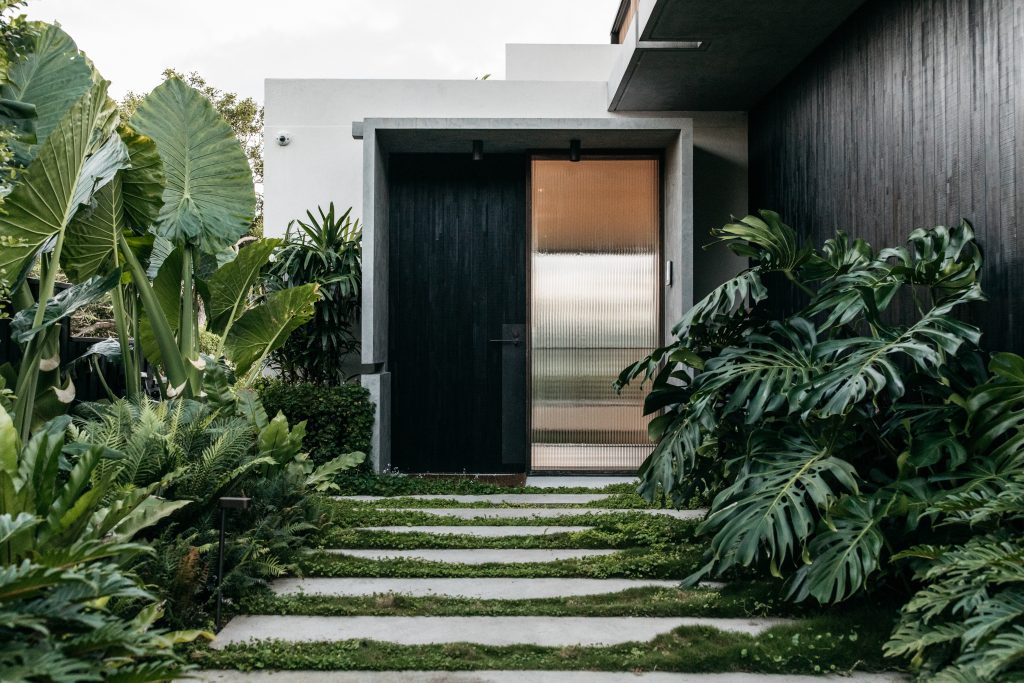
Ultimately, the most successful family homes are not necessarily the largest, nor the most elaborate.
They are the homes that understand how people live.
They provide places to gather and places to retreat. They support both connection and privacy. They celebrate everyday rituals while accommodating inevitable mess and change.
They allow families to spend less time managing their home and more time enjoying it.
That is what good residential architecture should do.