
Every year the design world publishes a new set of predictions about what the coming year will look like in architecture and interior design. For 2026, the conversation centres around warmer minimalism, layered materials, curved forms, and homes designed with wellbeing in mind.
Many of these ideas are thoughtful responses to how people want to live today. But they also highlight an important distinction that often gets lost in trend reporting.
Trends typically focus on surfaces and objects. Architecture focuses on space, light, and how a home actually functions over time.
At buck&simple, we pay attention to these conversations, but we rarely design with trends in mind. The homes that age best are those grounded in timeless architectural principles rather than the aesthetic moment of a particular year.
Warm minimalism replacing stark minimalism
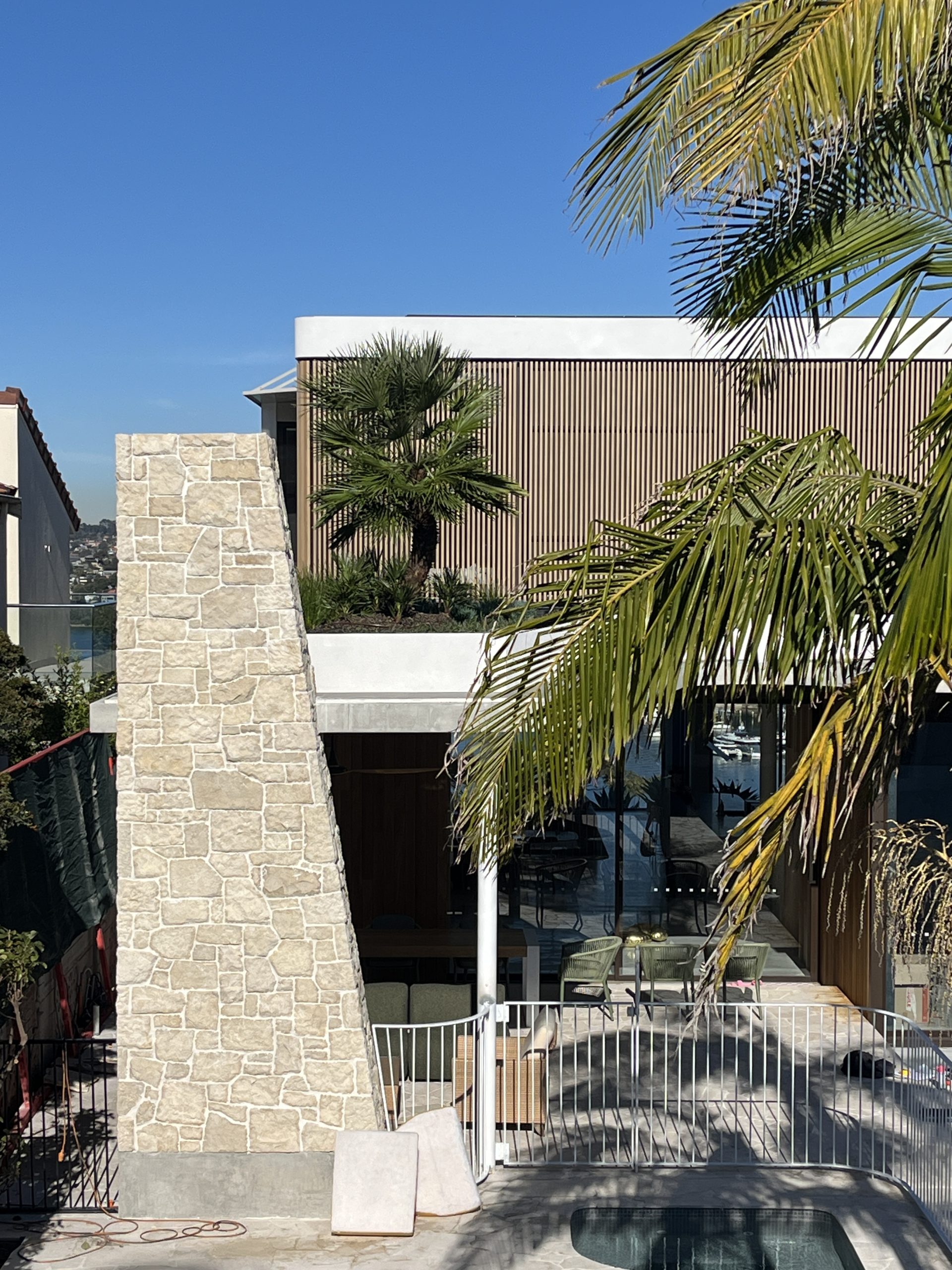
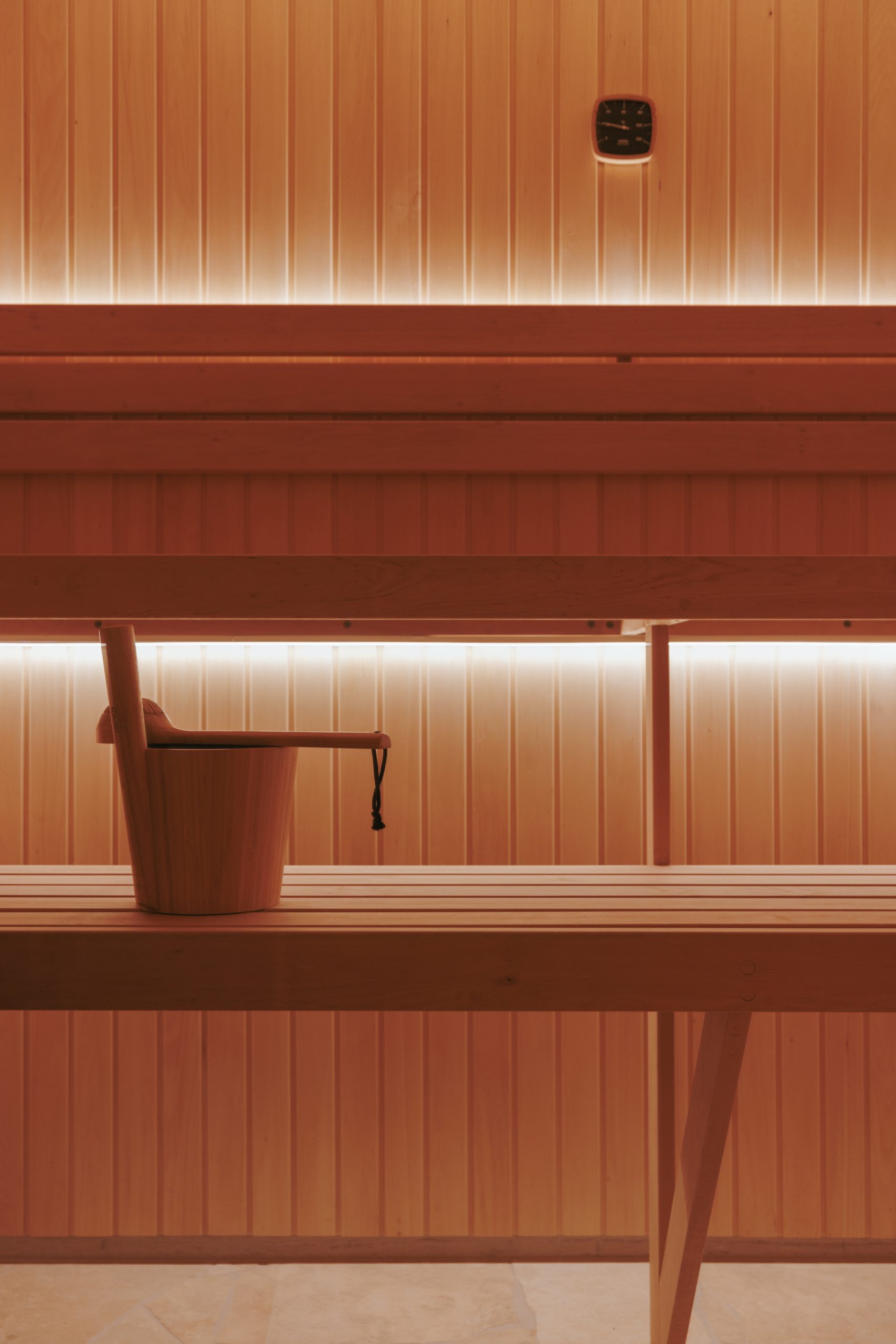
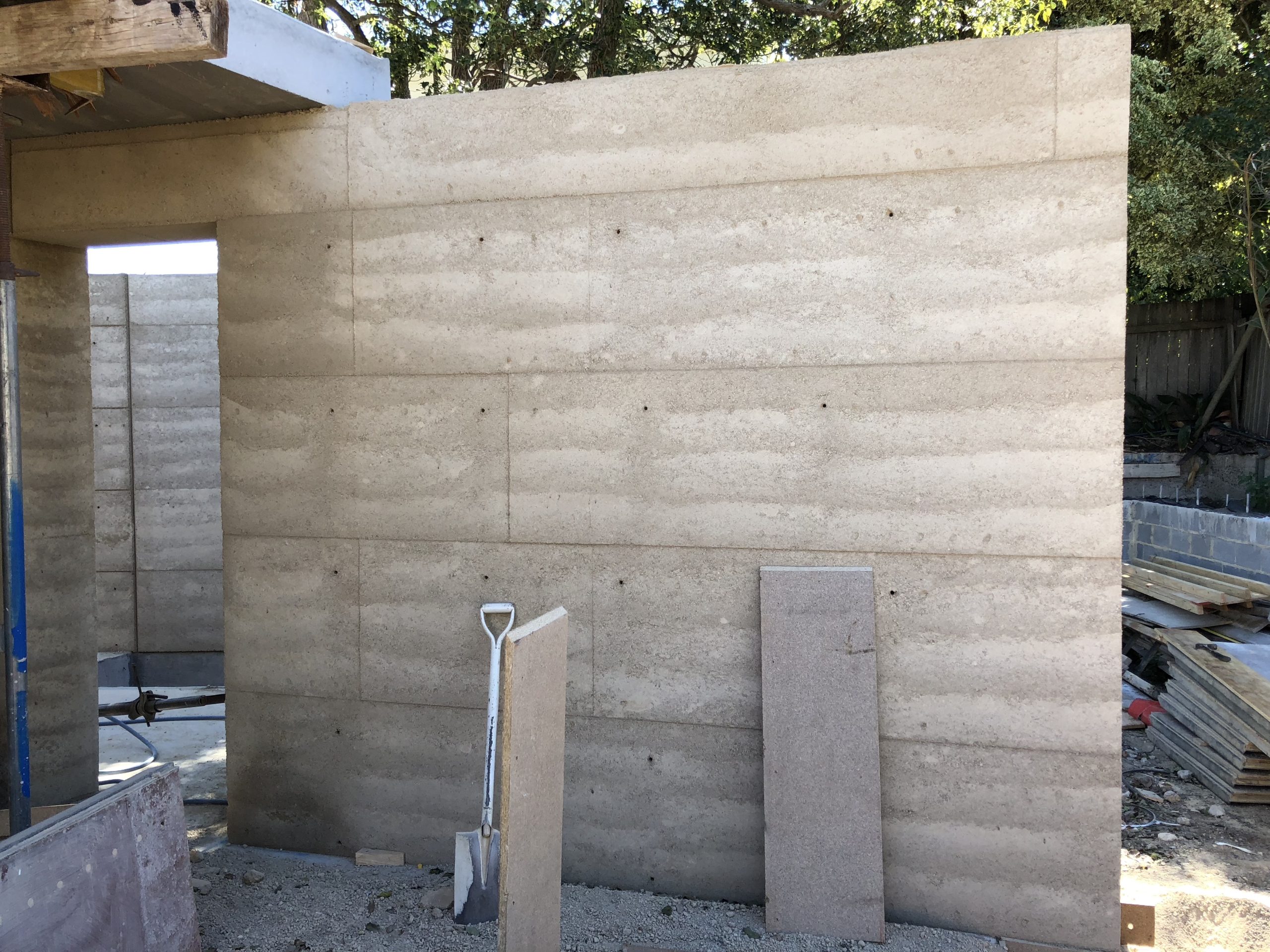
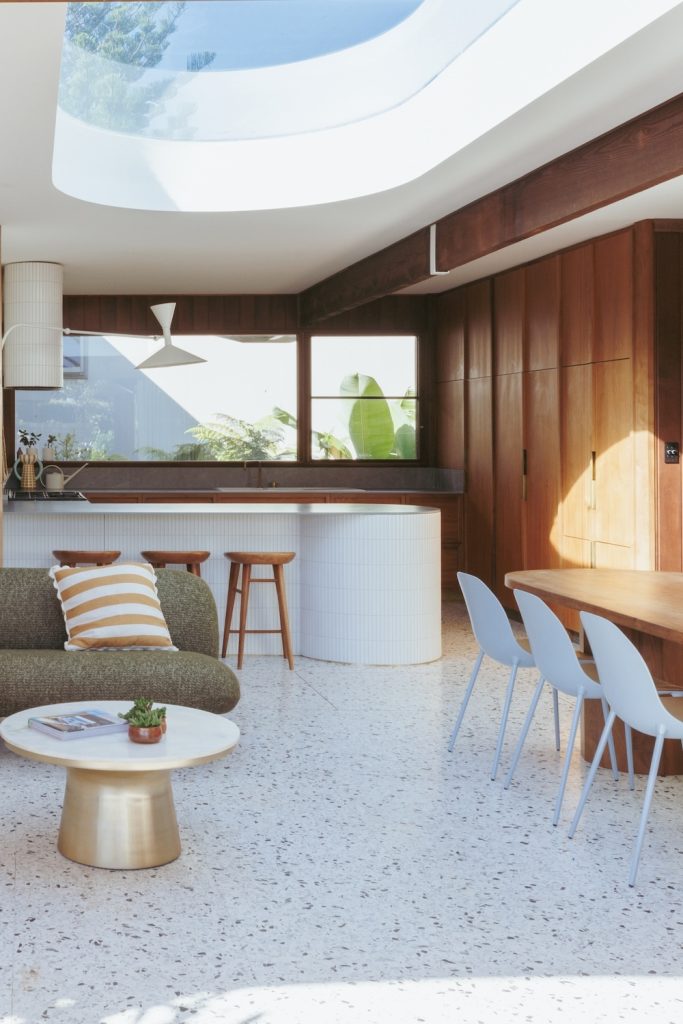
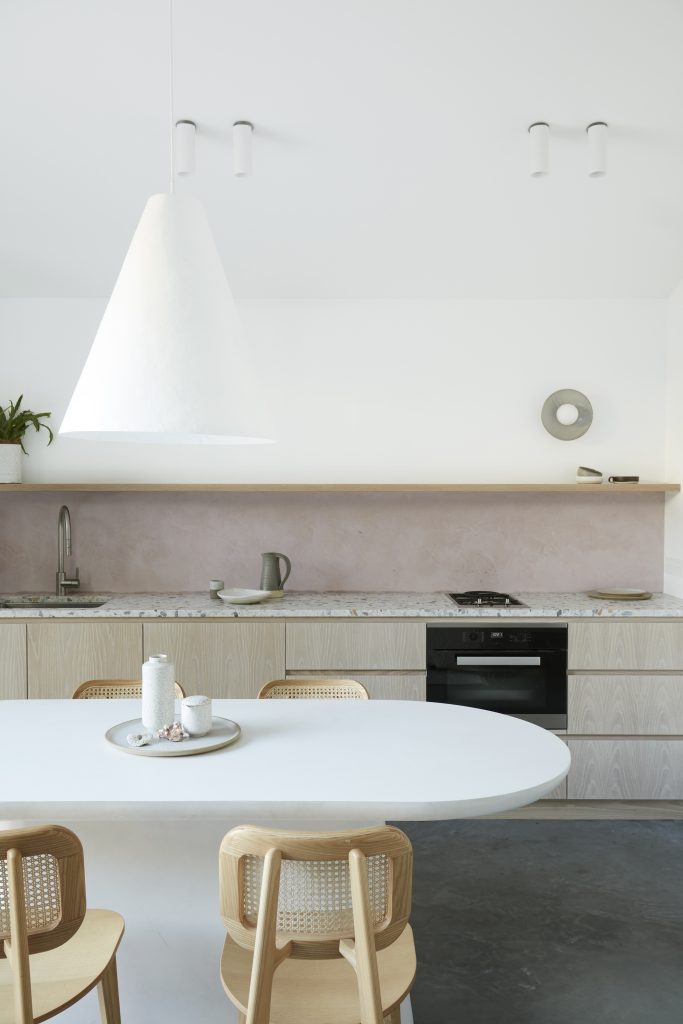
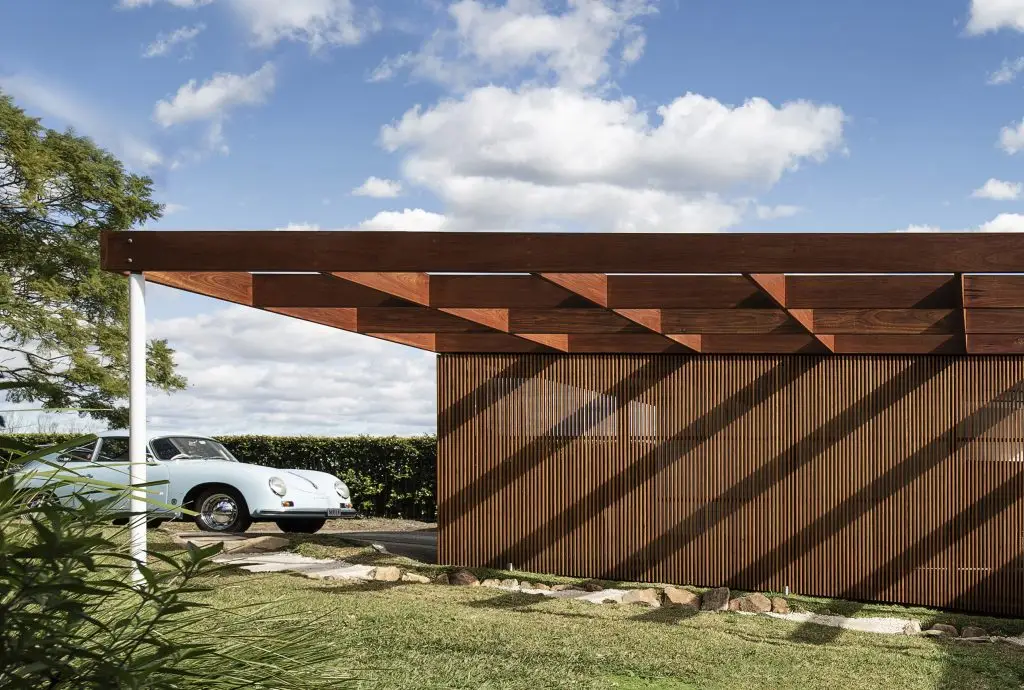
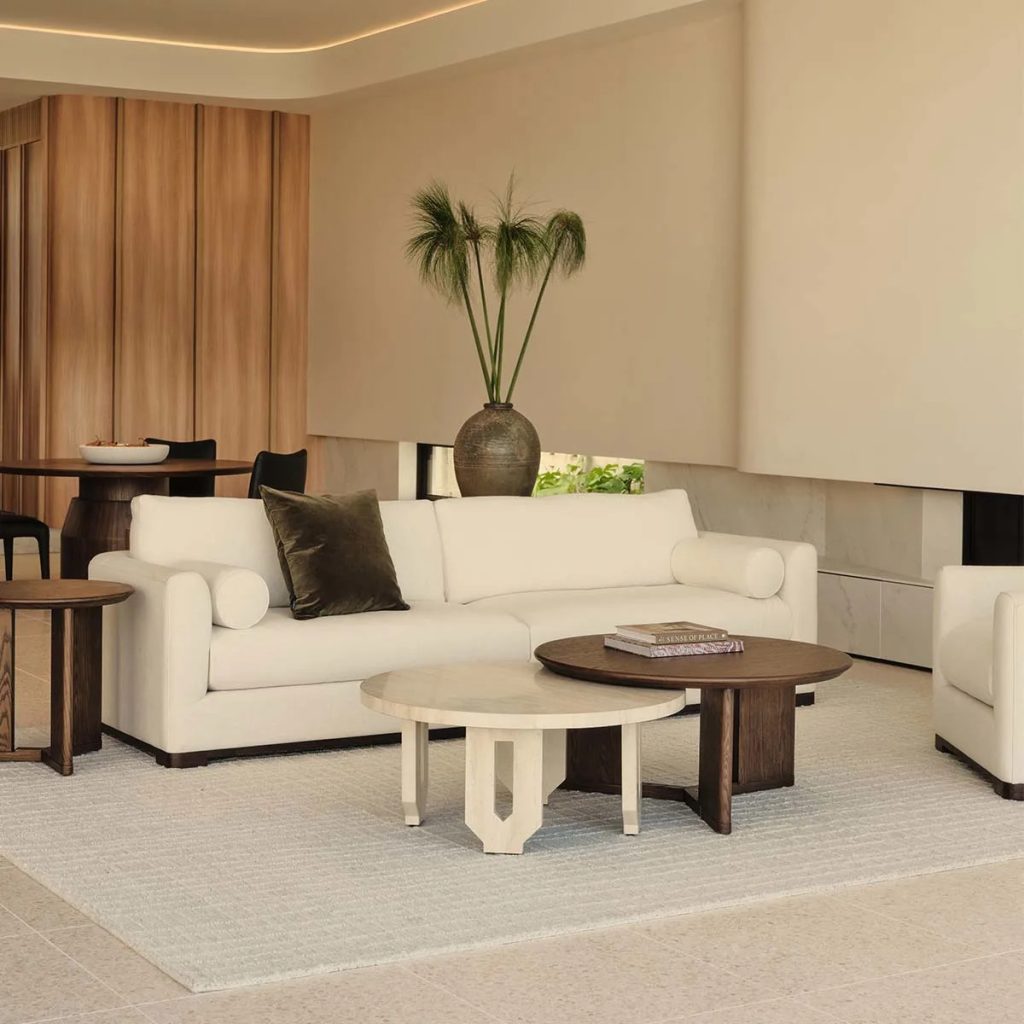
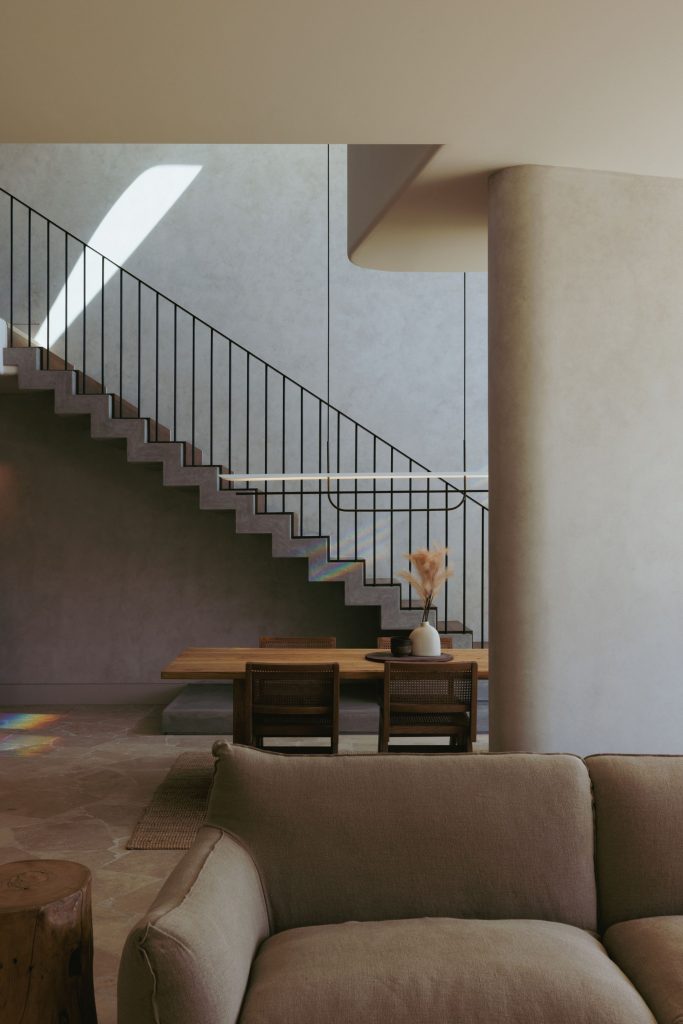
One of the most discussed shifts in 2026 is the move away from the cooler minimalism that dominated the last decade. Interiors are becoming warmer and more tactile, with timber, stone, natural plaster and layered materials creating a softer atmosphere.
This evolution makes sense. People want homes that feel comfortable and grounded rather than purely gallery-like.
But what often goes unmentioned is that these qualities begin with architecture, not decoration.
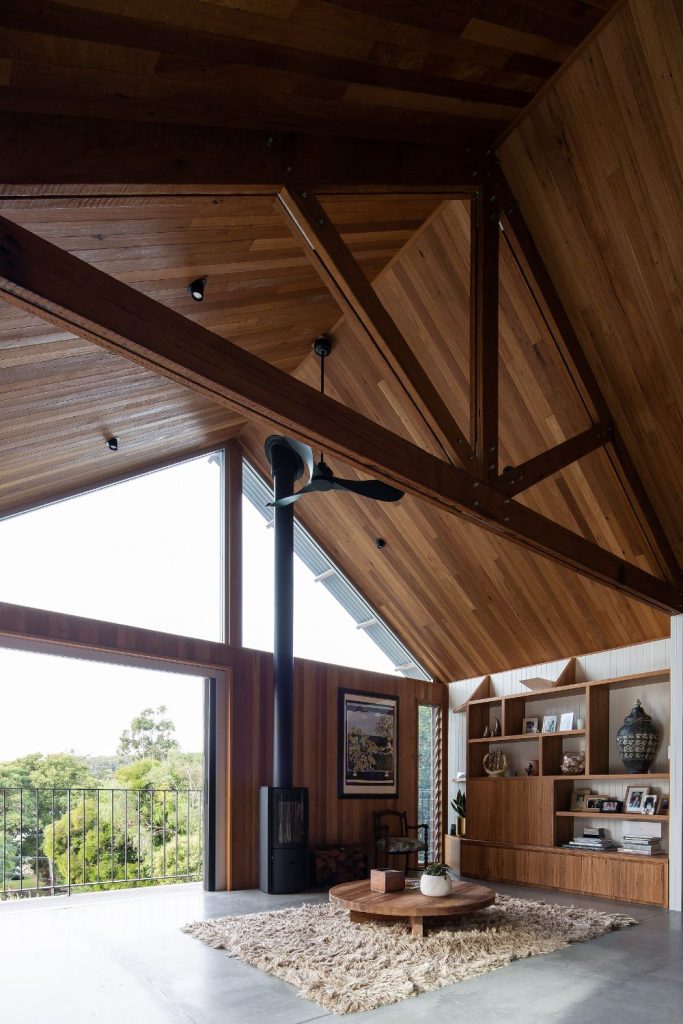
Natural materials need appropriate light to reveal their texture. Joinery needs proportion and restraint to feel calm rather than heavy. The orientation of a room determines whether a space feels warm or flat.
In other words, the success of “warm minimalism” is largely determined long before the interior styling begins.
Organic curves and sculptural forms
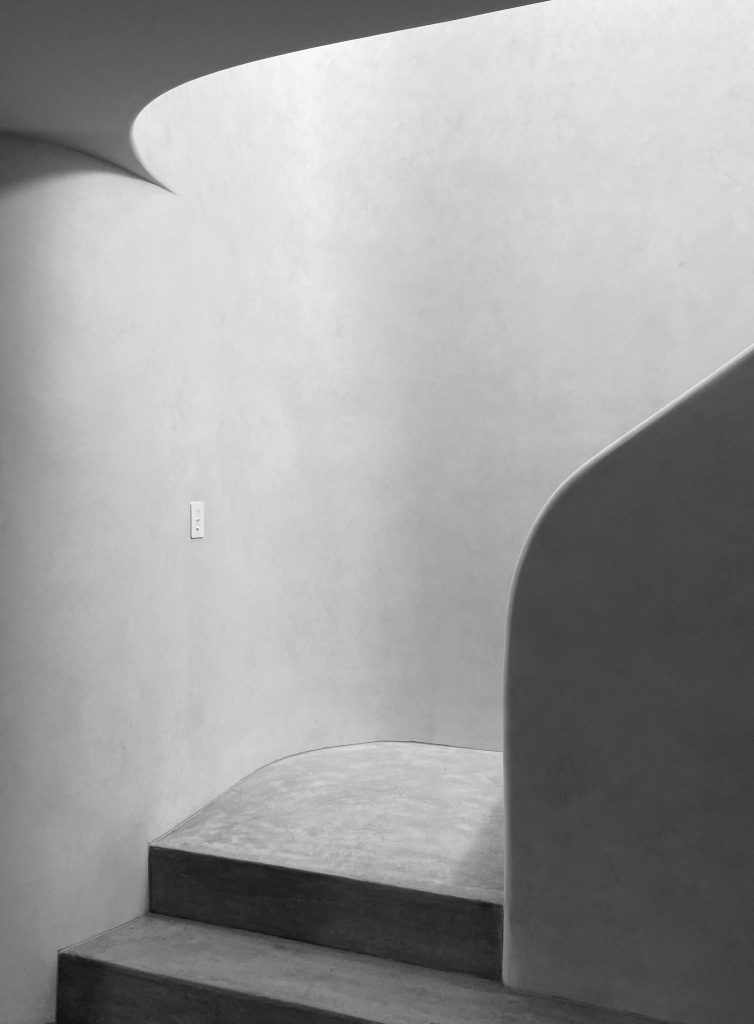
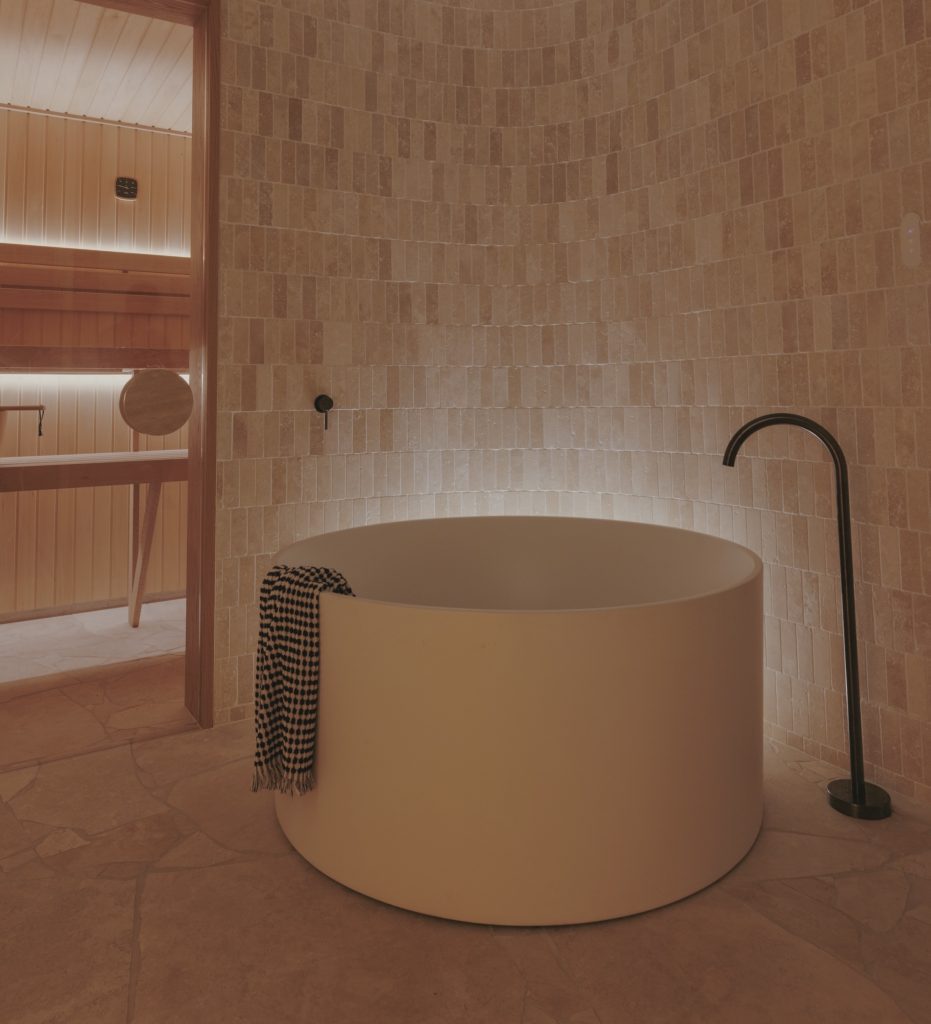
Curved forms are another widely discussed trend moving into 2026. Arched openings, curved walls and sculptural elements are appearing across many contemporary homes.
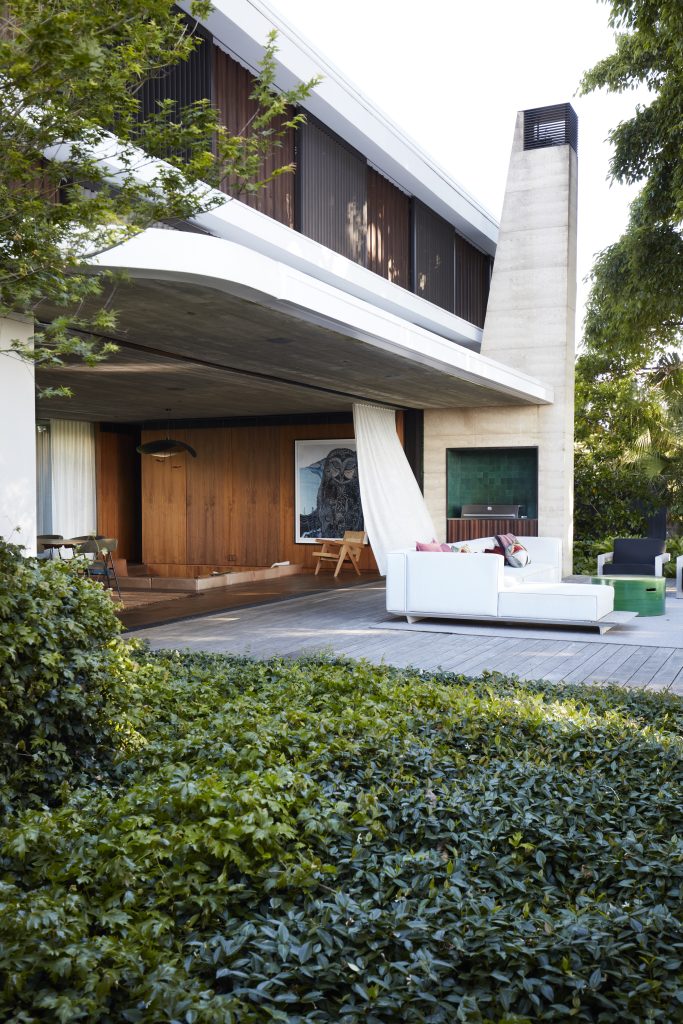
When used thoughtfully, curves can soften spaces and create a more fluid relationship between rooms. They can respond to circulation, guide movement through a home, and introduce a sense of calm.
However, we are also seeing a growing number of projects where curves are introduced simply because they are fashionable. In these cases they often appear as decorative gestures rather than architectural responses.
At buck&simple, curves are never introduced for their own sake. When they appear in our work they are typically a response to context, structure or spatial flow. They may soften an otherwise rigid geometry, respond to a particular view, or improve the way a space is experienced.
Architecture should never chase shapes simply because they are trending, as we discuss here. Form should always follow a clear design intention.
Material depth and layered textures
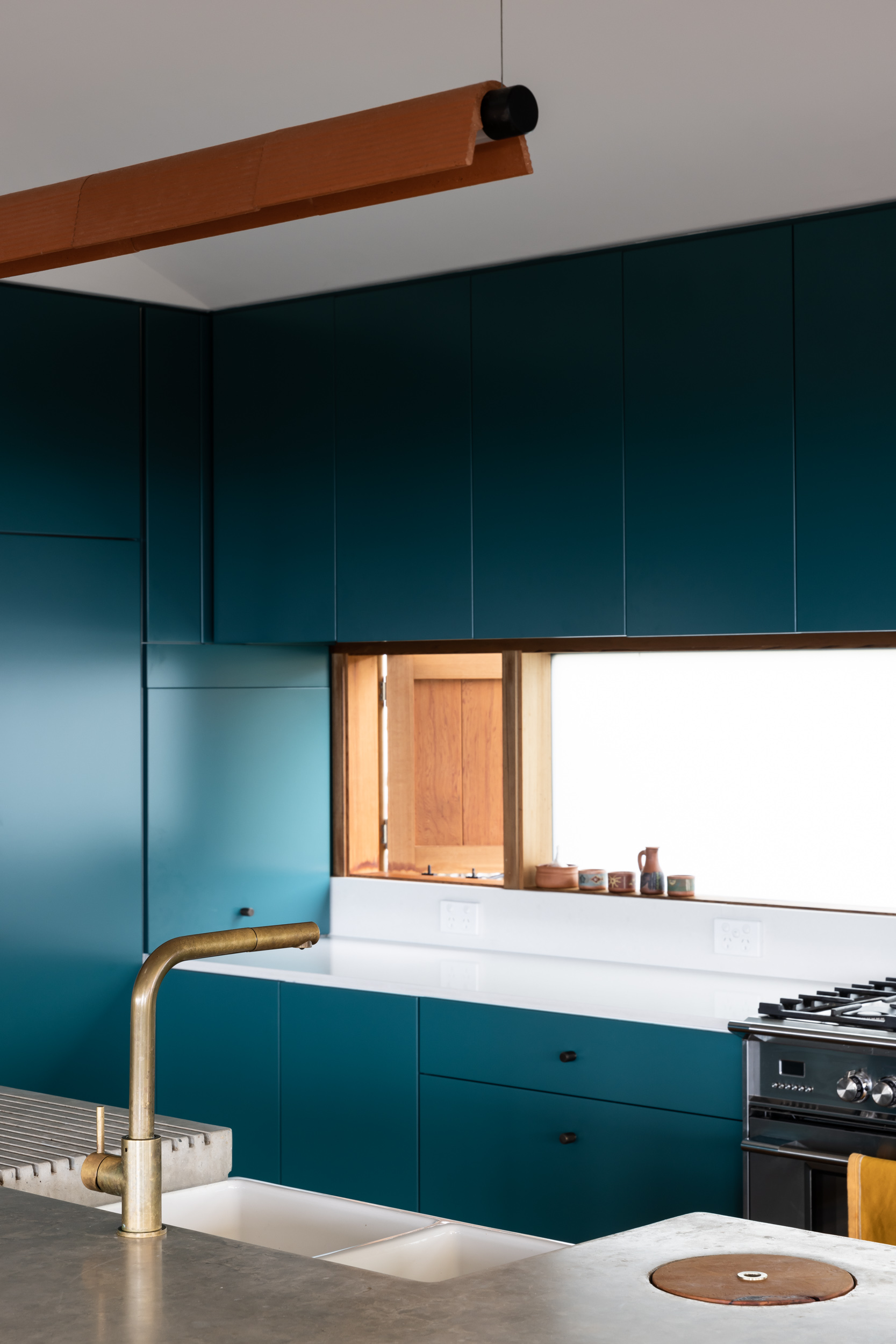
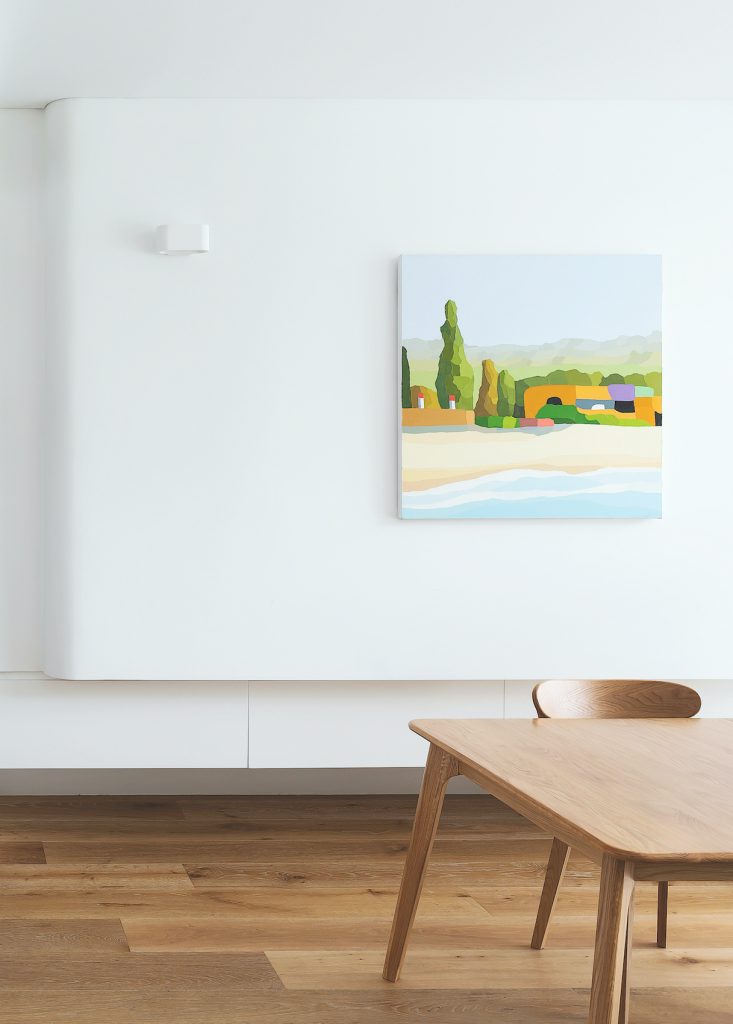
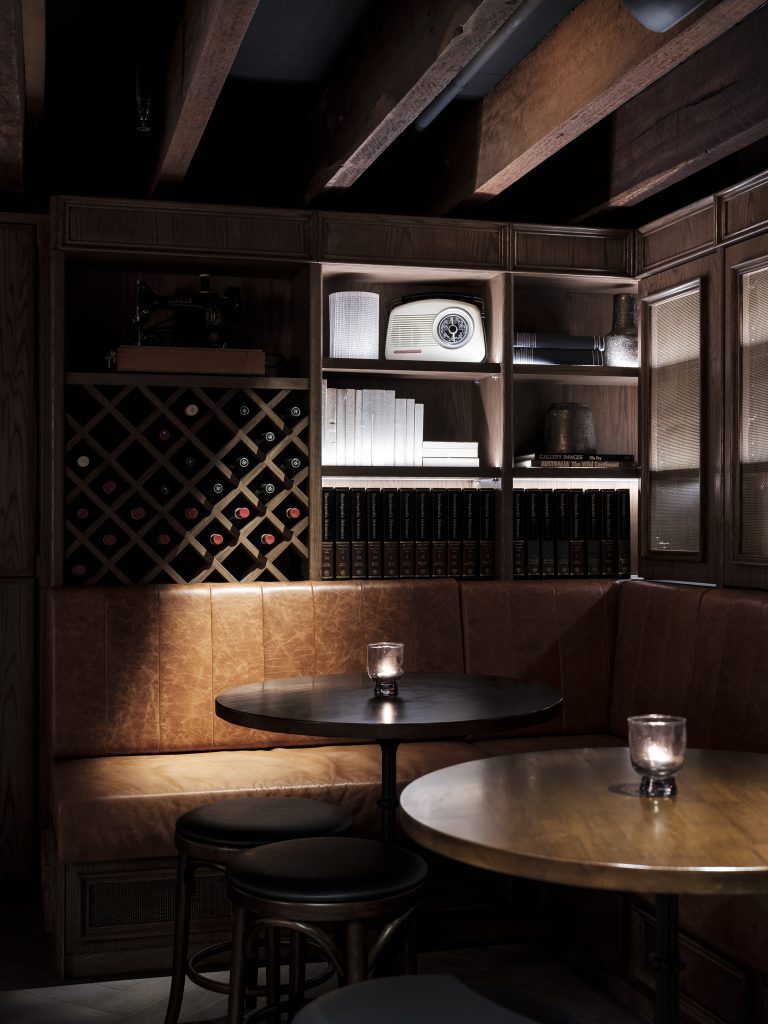
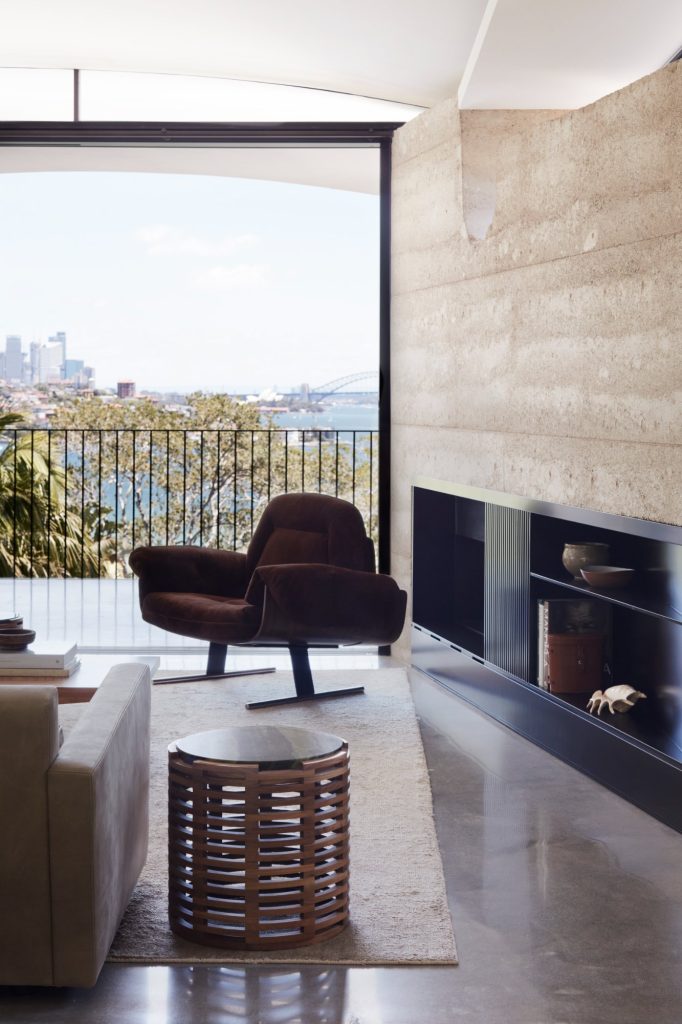
Luxury interiors in 2026 are increasingly defined by material richness rather than visual excess. Stone, timber, textured plaster, crafted joinery and subtle material layering are becoming more important than decorative finishes.
This shift reflects a broader desire for homes that feel authentic and enduring.
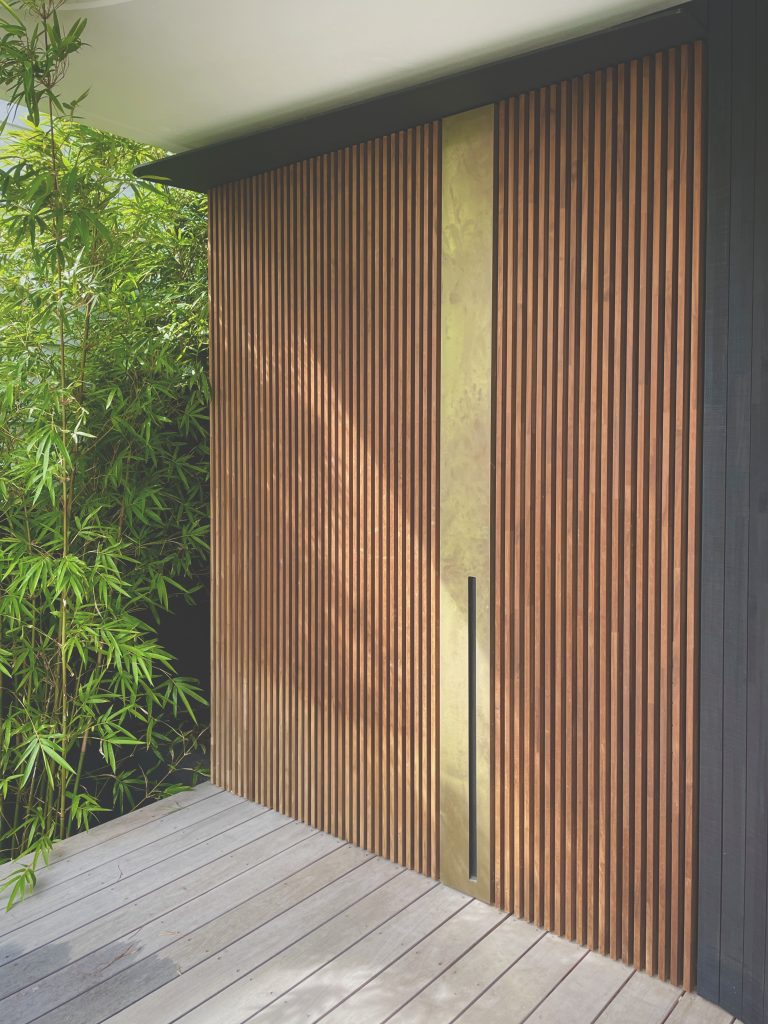
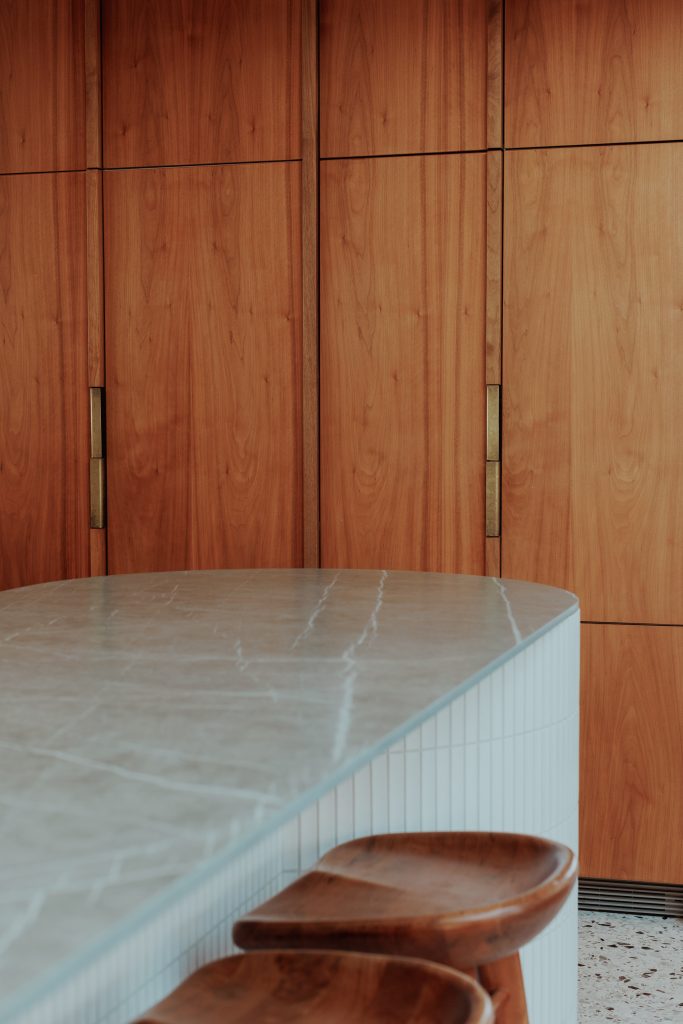
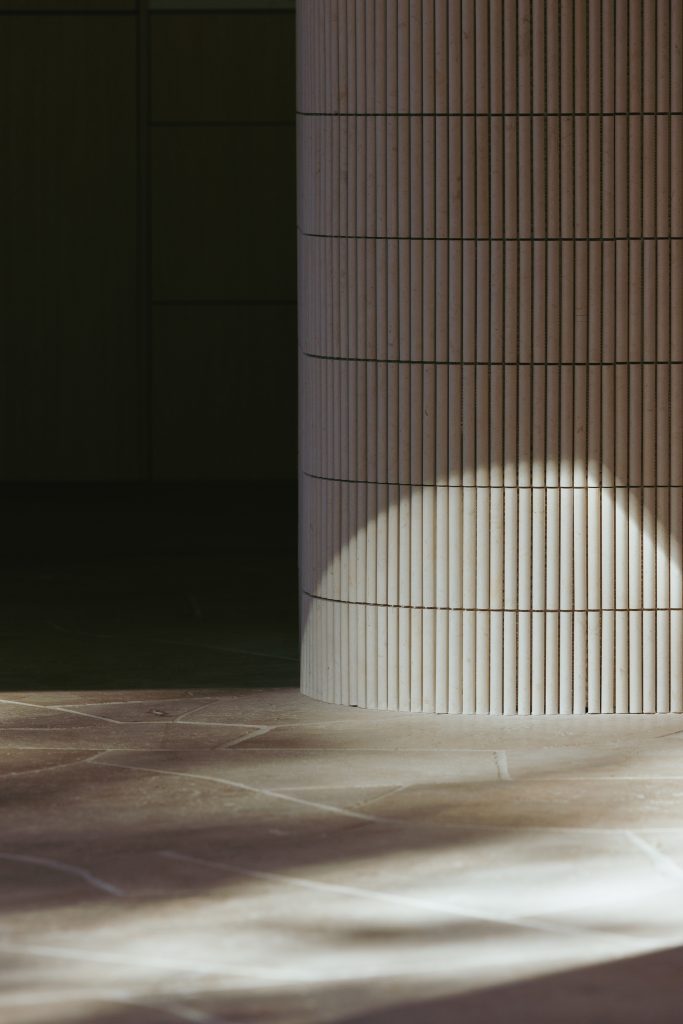
Materiality, however, is an architectural decision as much as an interior one. The way a material meets a corner, catches light or transitions between spaces determines whether it feels refined or superficial.
Well-considered detailing allows materials to age gracefully and develop character over time. When handled poorly, even expensive finishes can feel temporary.
Homes designed for wellbeing
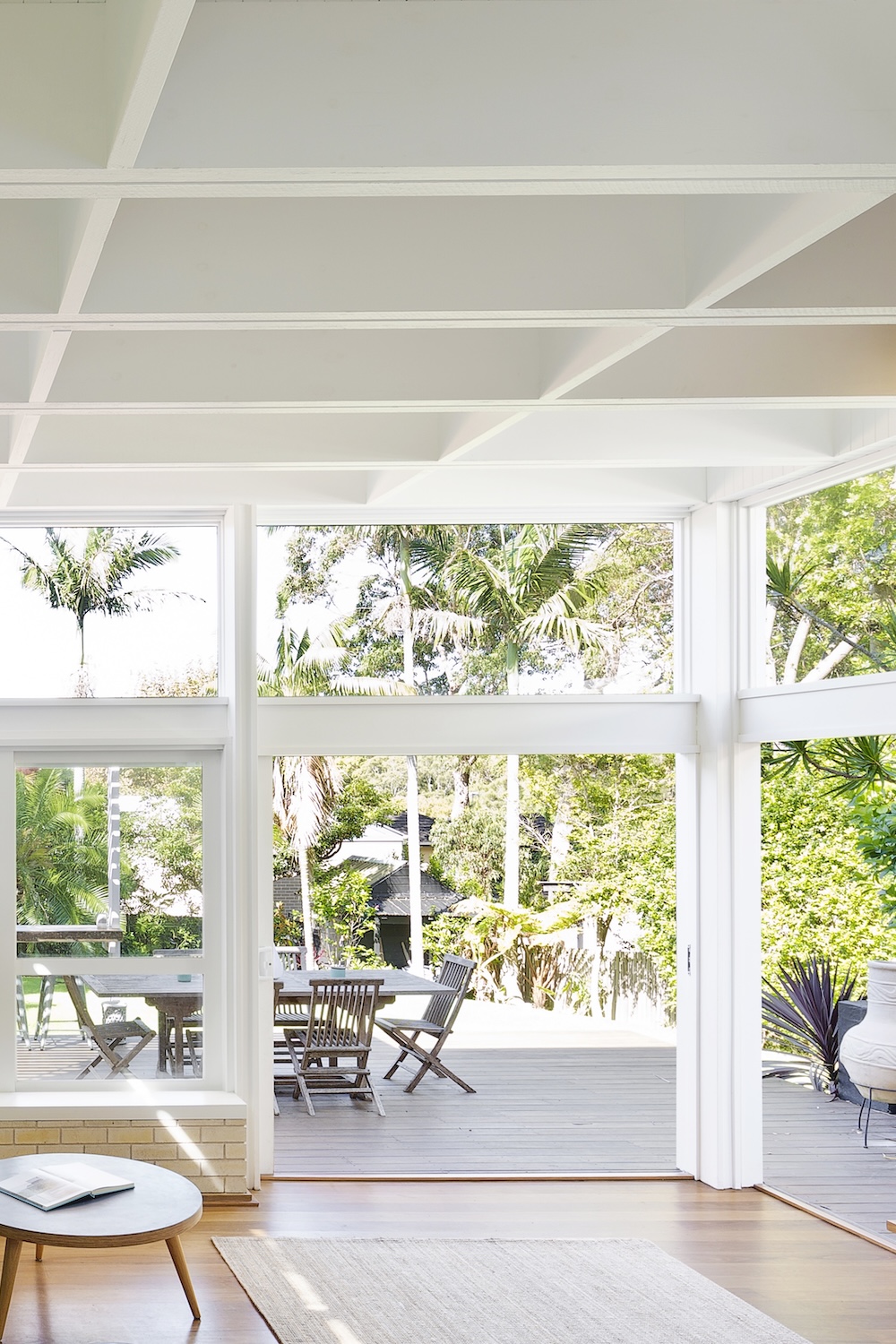
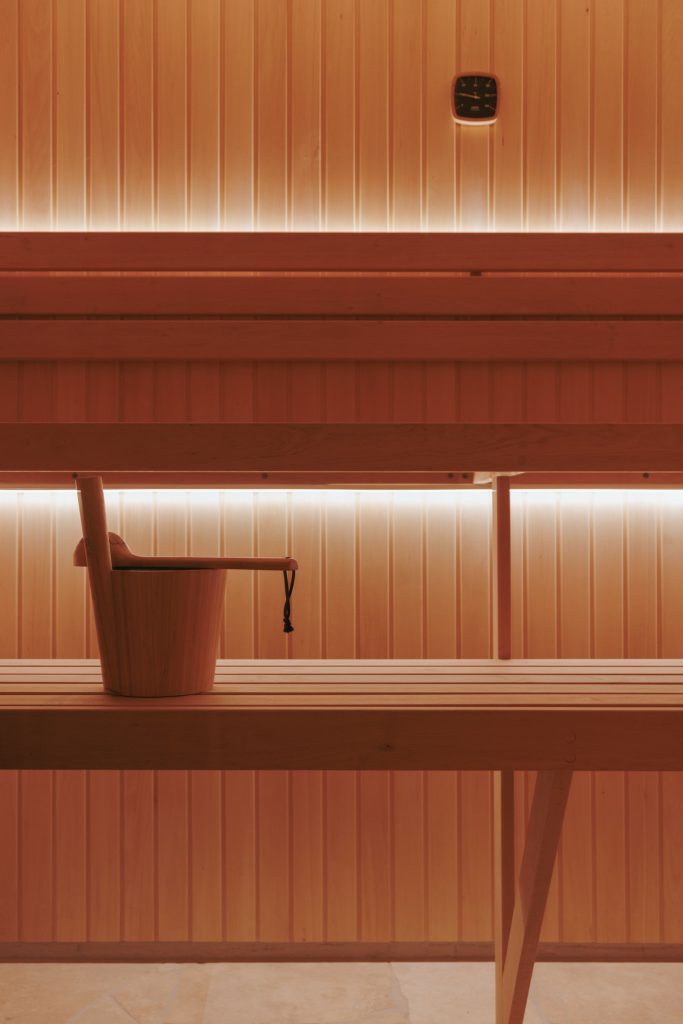
Another recurring theme in design discussions is wellness. Increasingly, homes are being designed to support daily routines, natural light, privacy and a stronger connection to landscape.
This is one area where architecture plays the most important role.
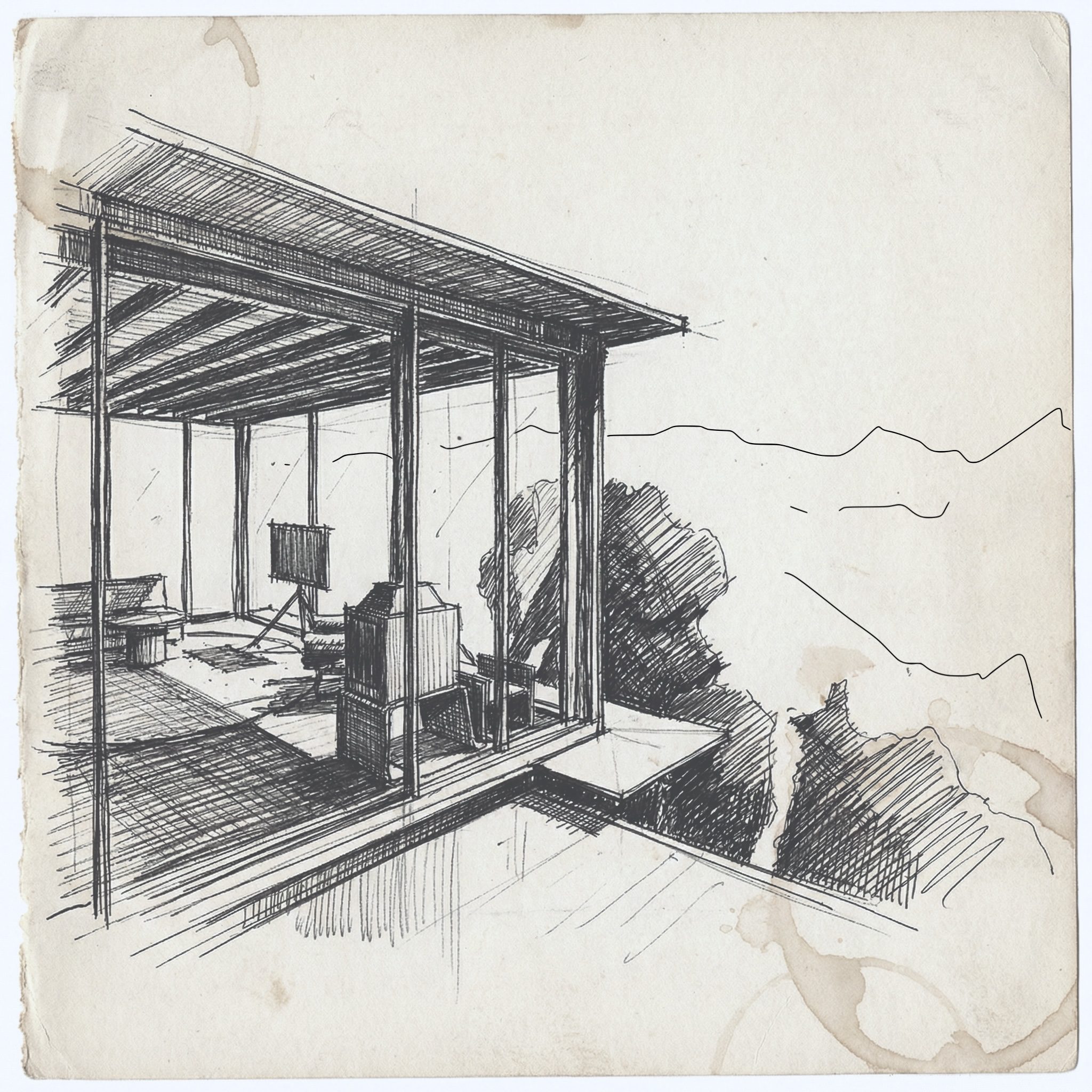
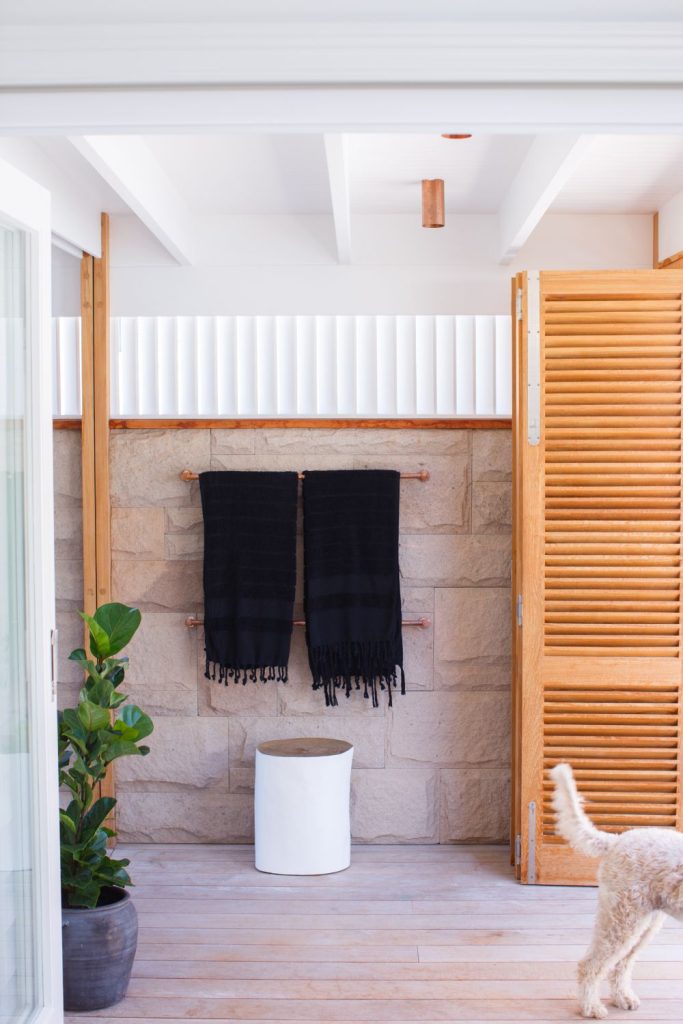
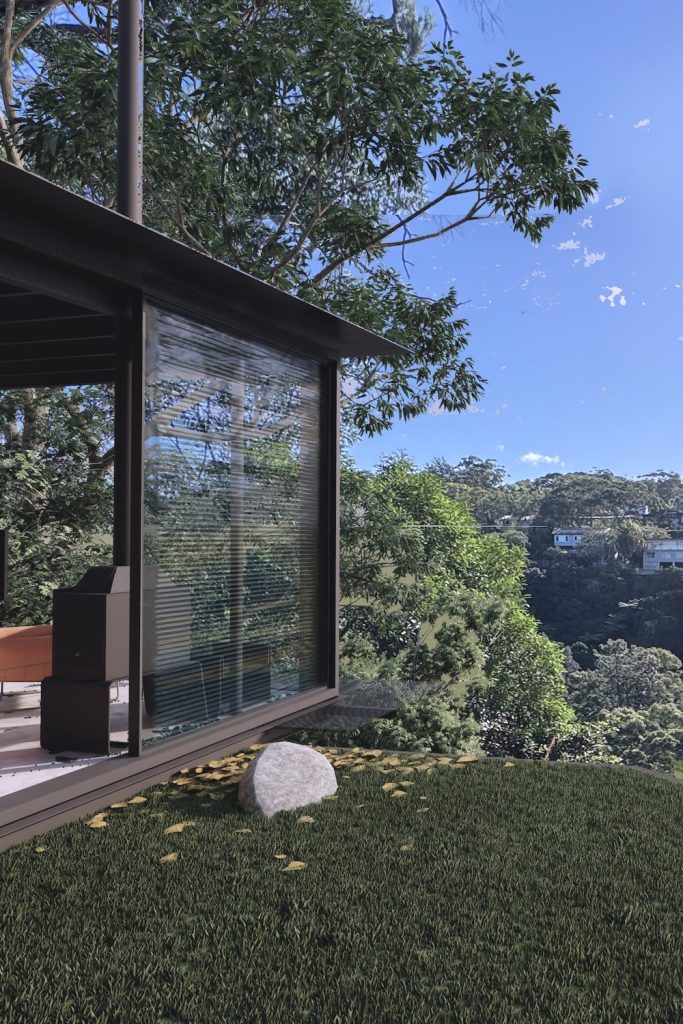
The orientation of living spaces, the ability to capture cross ventilation, the framing of views, and the relationship between indoors and outdoors all influence how a home supports wellbeing.
These are not styling decisions. They are architectural decisions made at the earliest stages of planning.
The problem with trends
Trends can be useful indicators of cultural shifts, but they often simplify the deeper thinking behind good design.
By the time an idea appears widely in magazines or social media, it is usually being replicated without the underlying reasoning that made it successful in the first place.
This is why so many trend-driven homes begin to feel dated within a few years.
Architecture that endures tends to focus on more fundamental principles.
What defines timeless residential architecture
Homes that remain relevant decades after they are built usually share a number of characteristics.
Strong spatial planning
Rooms are arranged in ways that feel natural to live in and allow the home to evolve over time.
Thoughtful natural light
Light changes throughout the day and should shape how spaces are experienced.
Material honesty
Materials are chosen for their durability and inherent character rather than short-term fashion.
Connection to site
The home responds to its landscape, views, orientation and surrounding context.
Clarity of form
Architecture that feels resolved and intentional rather than composed of decorative gestures.
These ideas rarely appear in trend lists, yet they are what ultimately determine the longevity of a home.
Why complex sites often produce the best architecture
Interestingly, many of the homes that embody these principles emerge from more challenging sites.
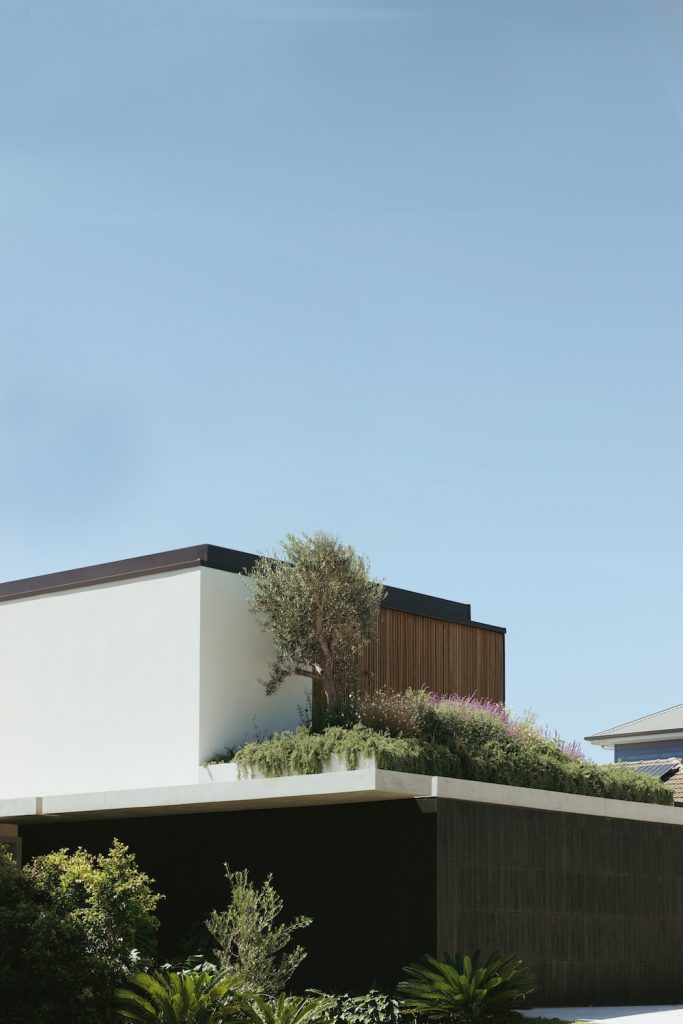
Steep slopes, coastal conditions, narrow urban lots and highly constrained locations require deeper architectural thinking. They demand careful planning, structural clarity and thoughtful responses to light, privacy and views.
Rather than limiting design, these constraints often lead to more distinctive and refined outcomes.
At buck&simple, many of our projects involve sites that initially appear difficult from a planning or architectural perspective. These conditions encourage a design process that is more analytical, more responsive and ultimately more rewarding.
The result is architecture that feels specific to its place rather than interchangeable with homes anywhere else.
Looking beyond the trends of 2026
The ideas being discussed in 2026 are not without merit. Warm materials, softer forms and more human-centred homes reflect meaningful shifts in how people want to live.
But the most successful houses rarely emerge from a desire to follow what is fashionable at a particular moment.
They come from a careful understanding of site, structure, light and material. They prioritise spatial quality over surface trends and are designed to feel relevant not just this year, but for decades to come.
That philosophy continues to guide the work of buck&simple
If youre interested in how how develop your own project, please feel free to get in contact with our studio HERE