

How Australian Homes Are Changing
Editorial Series
Independent commentary on architecture, design and the way we live, featuring articles by architecture writer Stephen Crafti.
Future of Residential Architecture in Australia
Written by acclaimed architecture and design writer Stephen Crafti, this editorial explores how Australian homes are changing and what those changes mean for the future of residential architecture.
Drawing on observations from across the industry and conversations with architects, homeowners and design professionals, Crafti examines how changing family dynamics, evolving work patterns and a renewed appreciation for craftsmanship are reshaping the homes Australians want today.
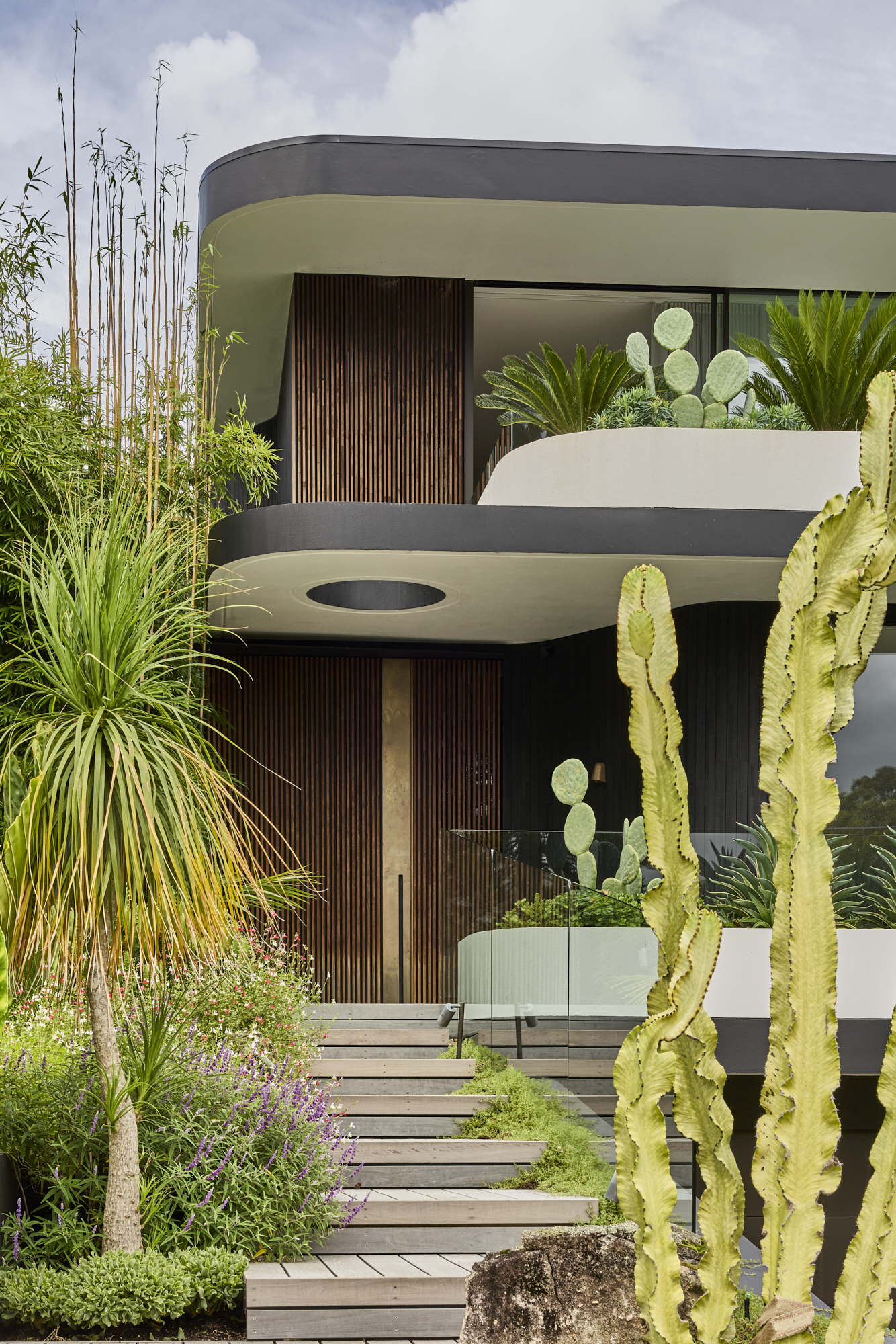
While every project is unique, many of the themes discussed in this article are increasingly influencing the work of Buck & Simple and the homes we design throughout Sydney’s Northern Beaches and beyond.
Bedroom Sizes
Predicting how we will live in the future is a difficult task, even for architects such as Buck & Simple. Architects Peter James Ahern and Kurt Crisp established their practice in 2013, but it is in the last five years, particularly since COVID-19, that changes in the housing sector have become more noticeable. These changes have been driven by a range of factors, including the rise of working from home and adult children remaining in the family home for considerably longer, often due to economic pressures.
With many children staying at home longer, bedroom sizes have increased significantly.
Once, a child’s bedroom was typically around 10 square metres. Today, it is often between 15 and 20 square metres, comparable to the size of a modest hotel suite. Rather than accommodating only a single bed, Buck & Simple increasingly designs children’s bedrooms to comfortably fit a queen-sized bed, recognising that the space needs to serve a young adult rather than simply a young child.
The additional floor area also allows for built-in desks and places to sit. During COVID-19, the need for quiet and dedicated spaces became increasingly apparent. Prior to this, a study nook within an open-plan area was often considered sufficient, despite offering limited privacy and focus.
Main Bedroom Suites
Main bedroom suites, akin to those found in five-star hotels, continue to play an important role in contemporary homes. Complete with walk-in dressing areas and generous ensuites, these spaces provide a sense of retreat, particularly for parents whose adult children remain living at home.
However, the spatial arrangement of these suites has become more refined in recent years. Separate sitting rooms are increasingly being abandoned in favour of a more efficient and cohesive layout. Peter Ahern often says that “a door is your best friend”, highlighting the importance of privacy and separation within the home.
Open Plan Living
Open-plan living emerged as a defining characteristic of residential architecture during the 1950s and continued to dominate for decades.
However, the experience of COVID-19 challenged some of the assumptions behind completely open living environments. As people spent more time at home, the lack of privacy often became apparent.
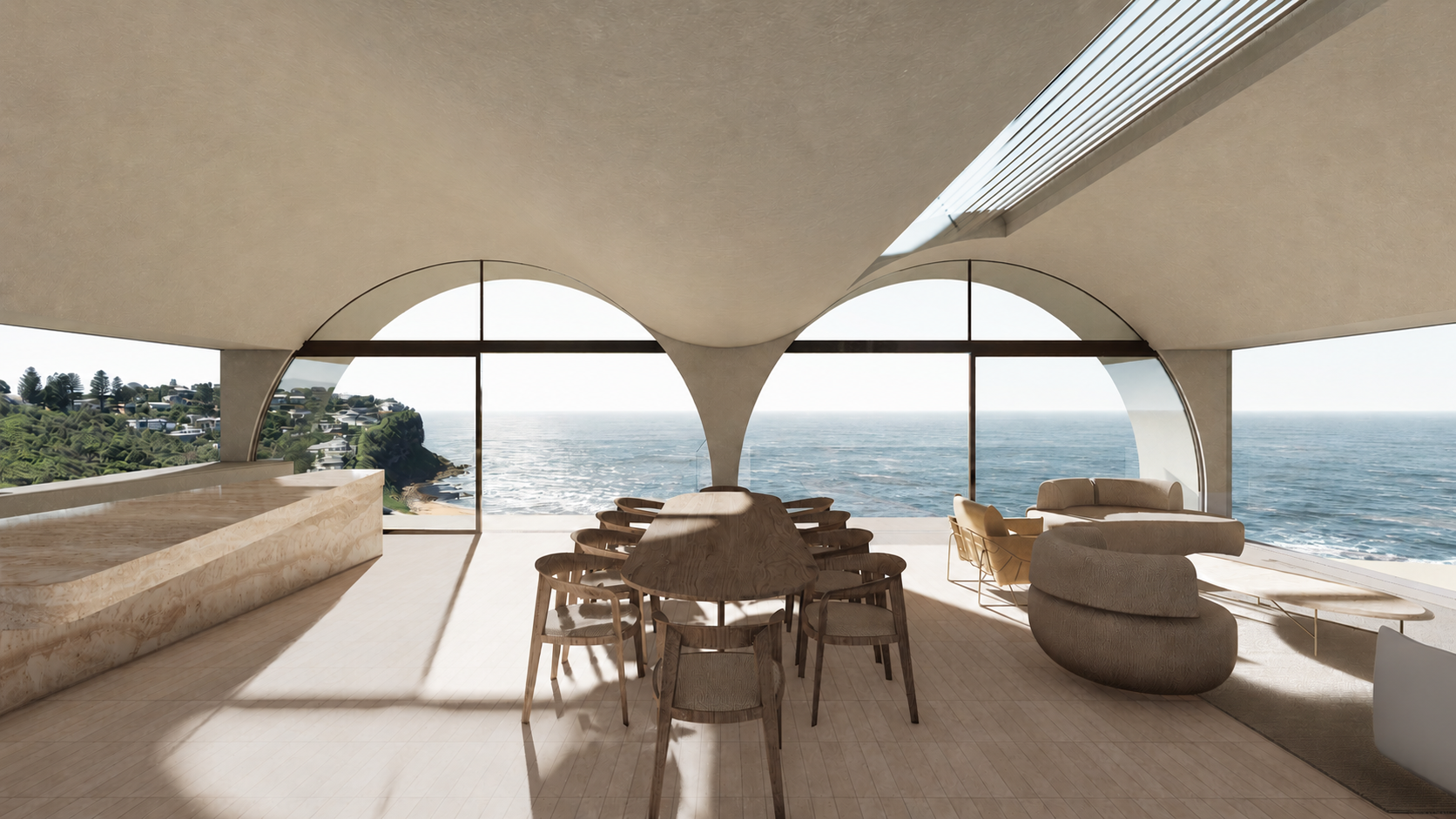
At Buck & Simple, open-plan living is not being abandoned but reconsidered. There is now a greater emphasis on creating subtle separation between kitchens and living areas. This is not a return to the formal and enclosed dining rooms of the past, but rather the creation of spaces that can be enjoyed without the constant noise of kitchen activity or the visual distraction of everyday household mess.
The Importance of Craft
Over recent years, Buck & Simple has observed a strong resurgence in appreciation for the bespoke and handmade.
Part of this movement reflects a reaction against disposable consumer culture. Millennials, in particular, have shown increasing interest in quality, longevity and family heirlooms. This attraction to craftsmanship and authenticity extends beyond architecture.
Peter Ahern recalls attending a Louis Vuitton event where the value of the handmade was evident in every carefully considered detail. While operating in a different field, the same principles apply to architecture. Every finish, fixture and material selection contributes to the overall experience of a home.
From wall textures to joinery hardware, Buck & Simple approaches each element with intention. Ahern believes every home should include memorable touch points, whether tactile, visual or both.
Costs, Sustainability and Longevity
The cost of building is no secret. Construction costs have increased significantly in recent years.
However, this does not justify replacing quality materials with cheaper alternatives designed merely to appear luxurious. Timber flooring should remain genuine rather than relying on lower-quality imitations. Both architects and clients are increasingly aware of the long-term compromises associated with inferior materials.
Sustainability continues to gain importance, with growing interest in solar energy, material reuse and long-term durability. There has also been a strong increase in the inclusion of secondary dwellings and self-contained accommodation, allowing extended families and adult children to remain connected while maintaining independence.
Looking Forward
Many of these trends are likely to become even more evident in the years ahead.
Increasingly, homeowners recognise that a house must be more than bricks and mortar. It should provide refuge, flexibility and longevity, responding not only to present-day needs but also adapting as family circumstances evolve over time.
Why These Trends Matter
The best residential architecture responds not only to the way people live today, but to how they may live in the future.
Many of the ideas discussed in this article are increasingly reflected in contemporary Australian homes. Families are living together for longer, people are spending more time at home, and there is a renewed appreciation for craftsmanship, longevity and quality. At the same time, homeowners are seeking greater flexibility, privacy and adaptability within their living environments.
For Buck & Simple, these shifts reinforce the importance of creating homes that are both highly personal and capable of evolving over time. Good architecture should support changing lifestyles without compromising beauty, functionality or connection to place.
If you are planning a new home or major renovation, understanding these broader shifts can help create a home that remains relevant and enjoyable for decades to come.
About Stephen Crafti
Stephen Crafti is one of Australia’s most respected architecture and design writers. Over a career spanning more than three decades, he has written thousands of articles and more than forty books covering architecture, interiors, design and the decorative arts. His work has appeared in publications including The Australian Financial Review, The Age, Wallpaper*, Habitus, House & Garden and numerous local and international design journals. He also hosts the Talking Design podcast and was awarded Honorary Membership of the Australian Institute of Architects in recognition of his contribution to architectural discourse and public understanding of architecture.
Article by Stephen Crafti. Published by Buck & Simple as part of the Perspectives editorial series.
Learn more at stephencrafti.com.au
This article forms part of the Buck & Simple Perspectives series, featuring independent commentary on architecture, residential design and the way we live.
Continue Reading
The Residential Architecture Design Process
An editorial by Stephen Crafti exploring how Buck & Simple approaches residential architecture, from the first site visit through to concept development, client collaboration and design decision-making.
Residential Architects Sydney
Discover Buck & Simple’s approach to bespoke residential architecture across Sydney, with a focus on enduring design, craftsmanship and homes that respond to the way people live.
Northern Beaches Architects
Learn more about our work throughout Sydney’s Northern Beaches and the design principles that shape our approach to coastal and family-focused homes.