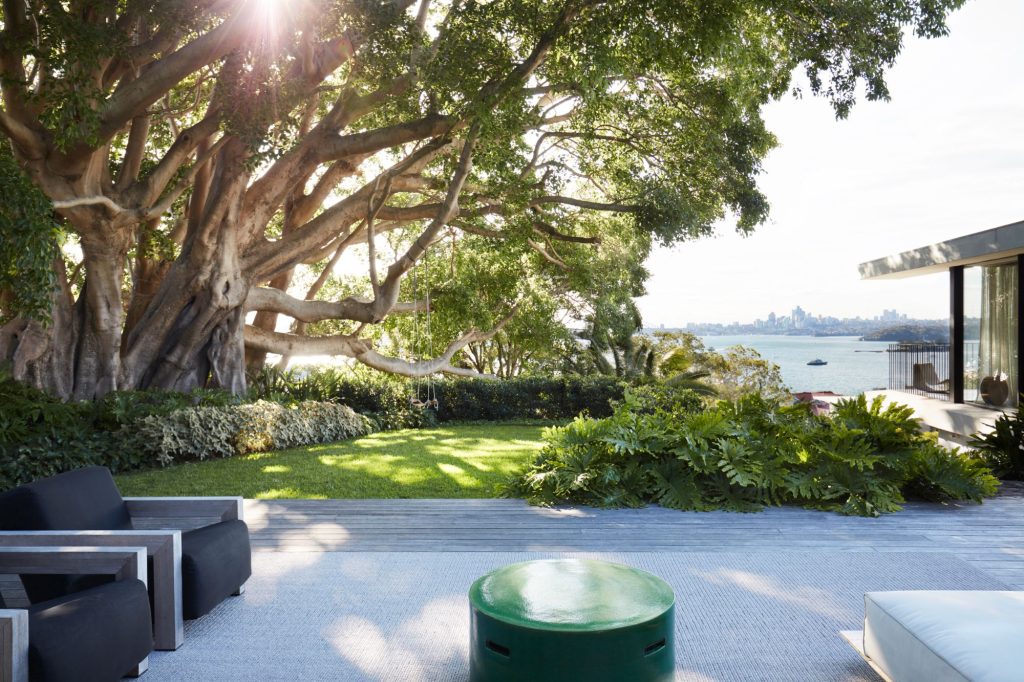
At a time when architecture is increasingly consumed through images, it is easy to assume that great design is primarily visual.
Awards, publications and social media often celebrate the boldest gesture, the most dramatic form or the newest idea. Yet for the people who live within these homes every day, architecture is experienced very differently.
The homes that endure are rarely remembered for a singular architectural move.
They are remembered for how they feel.
The morning light that reaches the kitchen bench. The ease of moving between indoors and out. The ability to host friends without effort. The sense of calm that arrives at the end of a busy day.
At buck&simple, we believe these moments are the true measure of residential architecture.
Creating homes that feel effortless is not accidental. It is the result of careful planning, rigorous coordination and a deep understanding of place.
Calm Is Designed, Not Decorated
Coastal living is often reduced to an aesthetic.
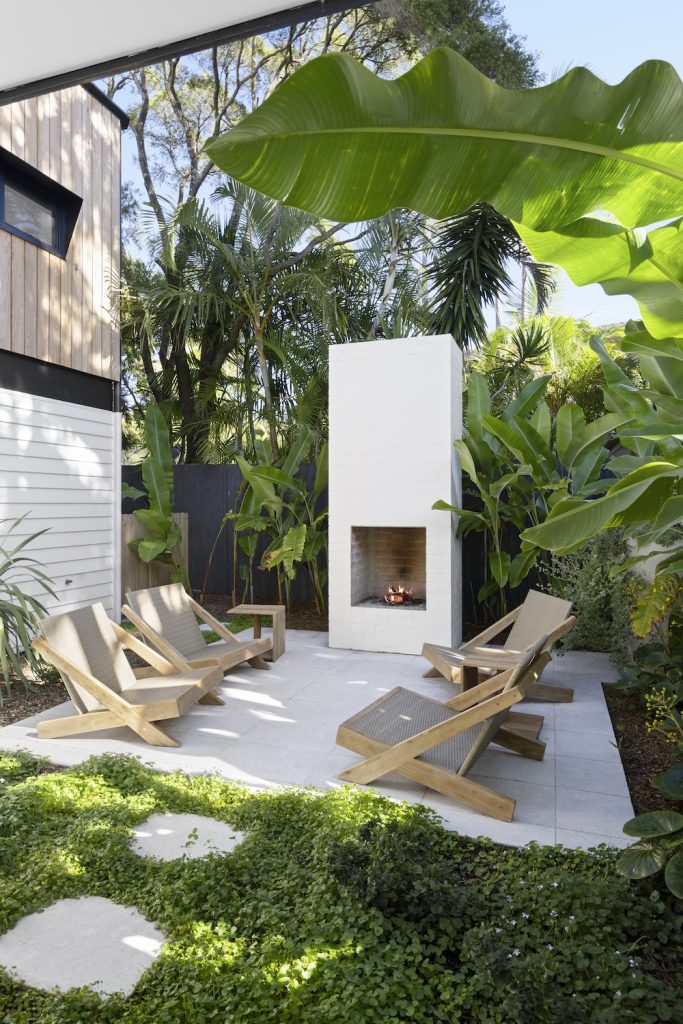
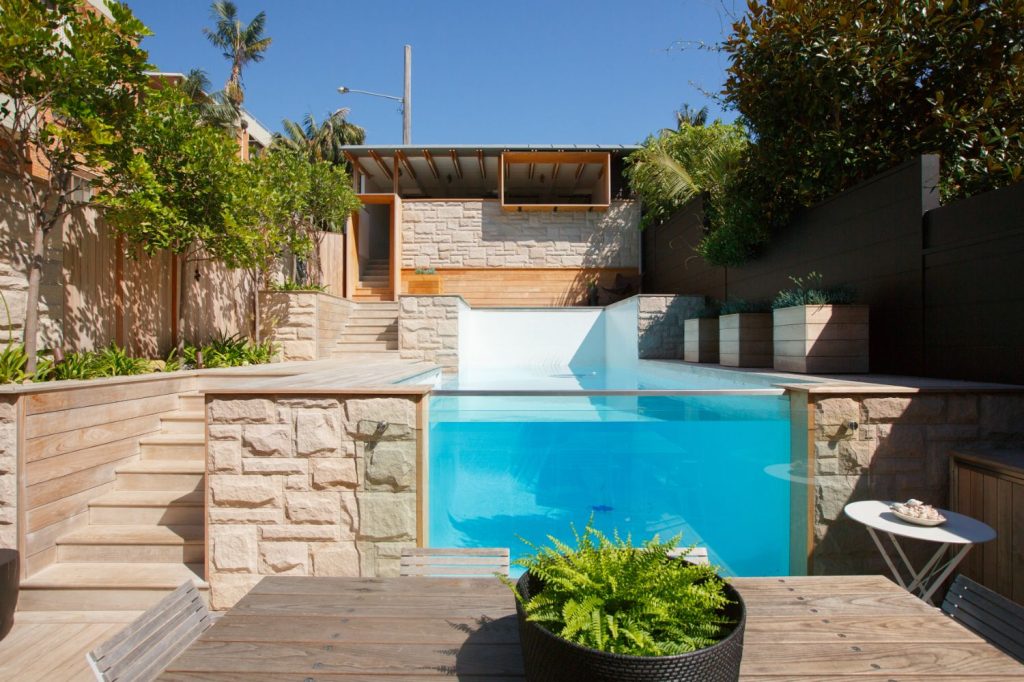
Natural materials, soft palettes and expansive glazing have become visual shorthand for a relaxed lifestyle. Yet genuine calm is not achieved through decoration.
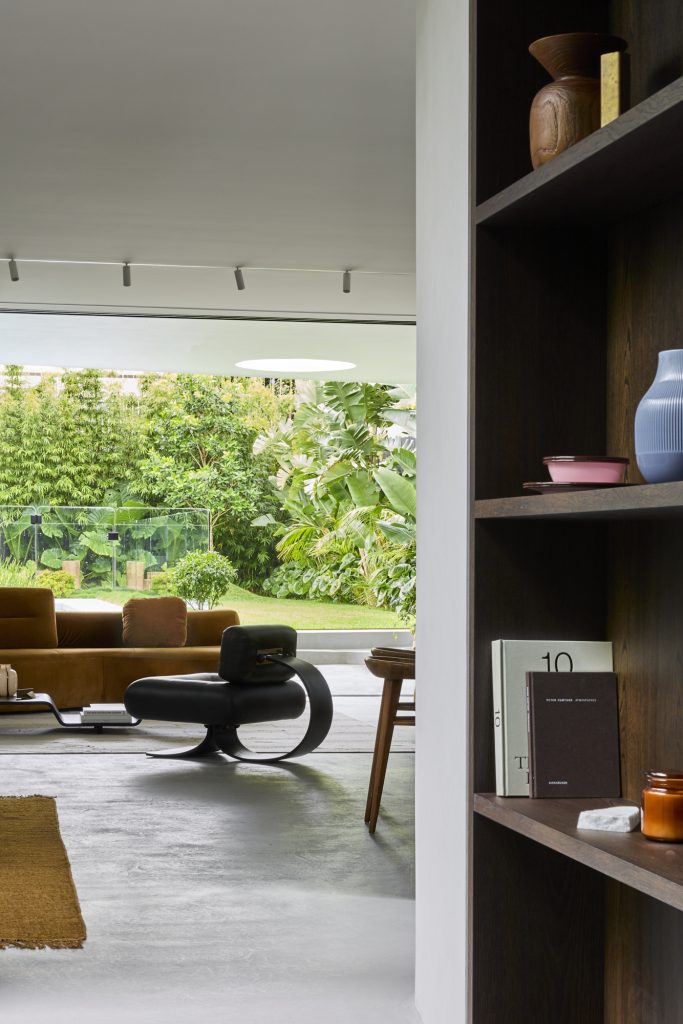
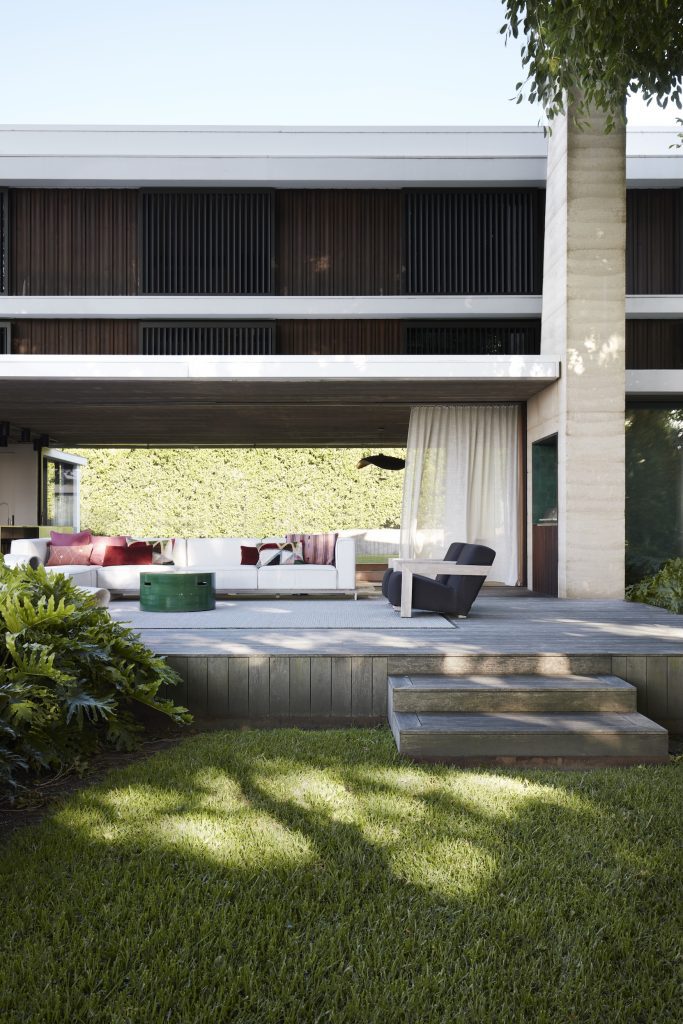
It begins with orientation, natural light, privacy, connection to landscape and the intuitive movement between spaces.
The homes that feel most effortless are often the most carefully considered.
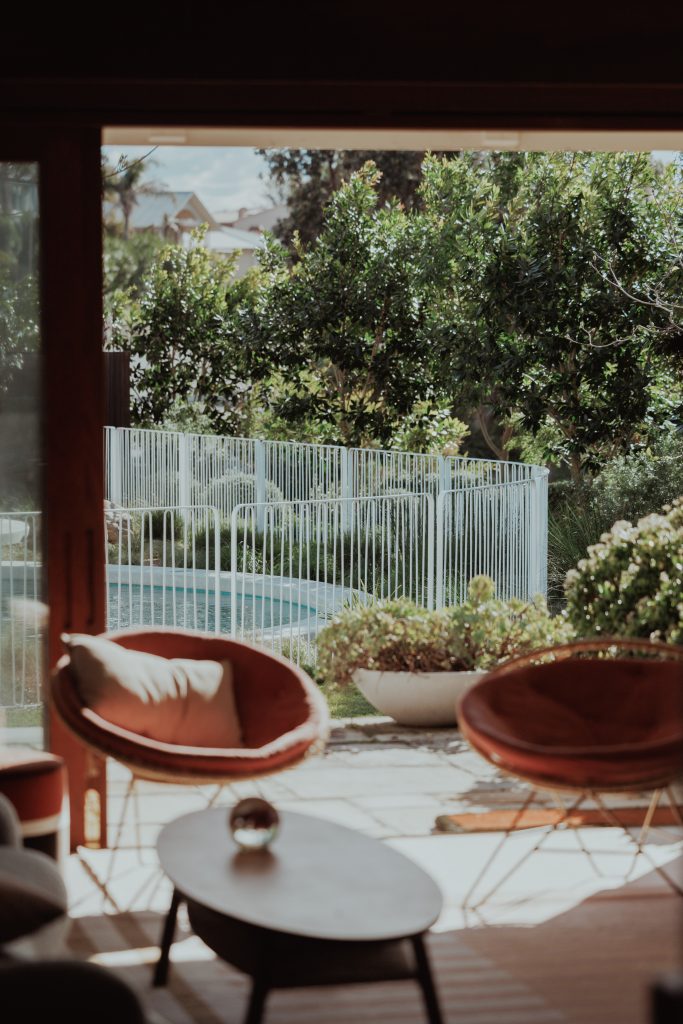
Every opening, threshold and view has been shaped to support daily life rather than simply create an image.
What many describe as coastal calm is, in reality, the outcome of hundreds of decisions working together.
Simplicity Is Harder Than Complexity
There is a common assumption that simple architecture requires less effort.
The opposite is usually true.
The more resolved a home becomes, the more work occurs behind the scenes. Architecture, interiors, landscape and construction must operate as a coordinated whole. Decisions are made early. Potential problems are resolved before they reach site.
This process is largely invisible.
Yet it is often where the greatest value is created.
A well-designed home is not simply defined by what has been added. It is equally defined by the compromises, variations and construction challenges that never occur.
Different Coasts, Different Ways of Living
While much of our work is located along Australia’s coastline, we do not see coastal architecture as a singular style.
Instead, we see a collection of distinct lifestyles and landscapes, each demanding its own architectural response.
Resort Coastal
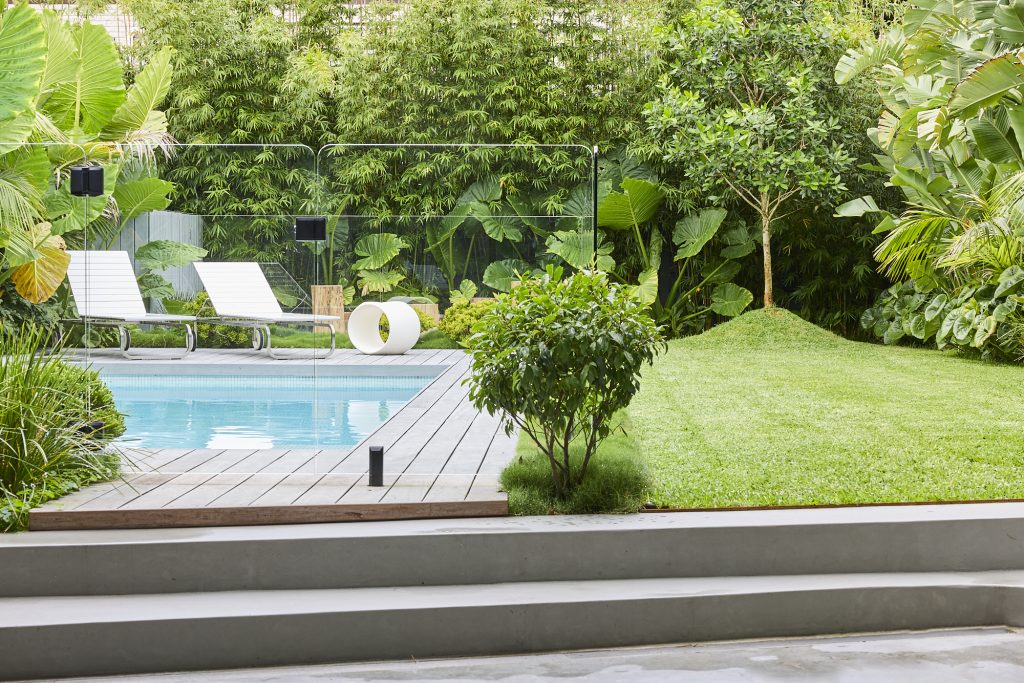
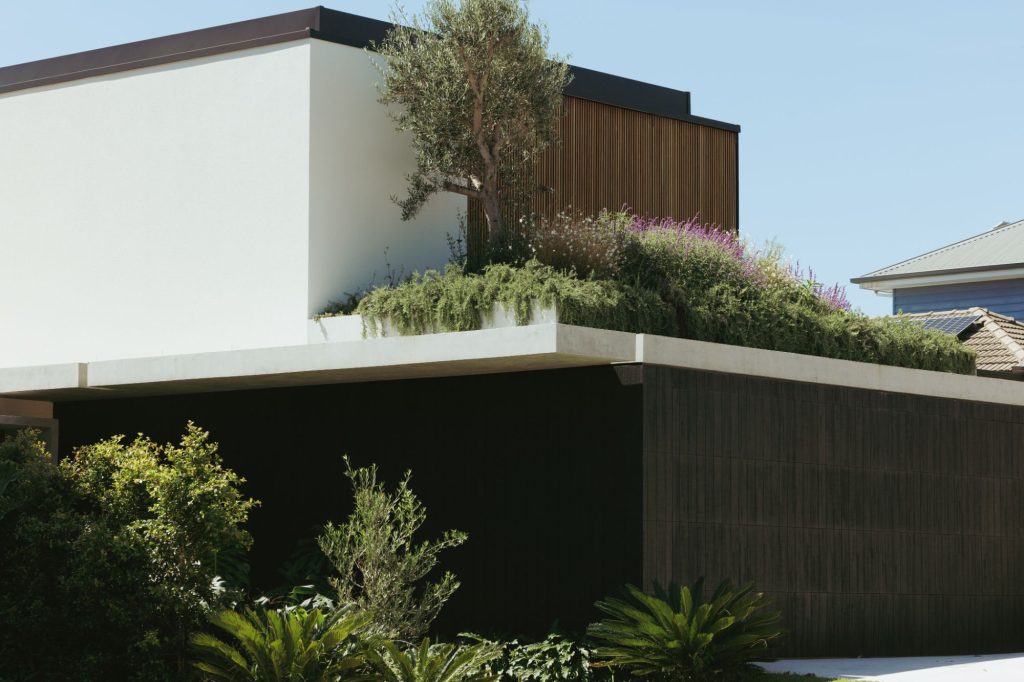
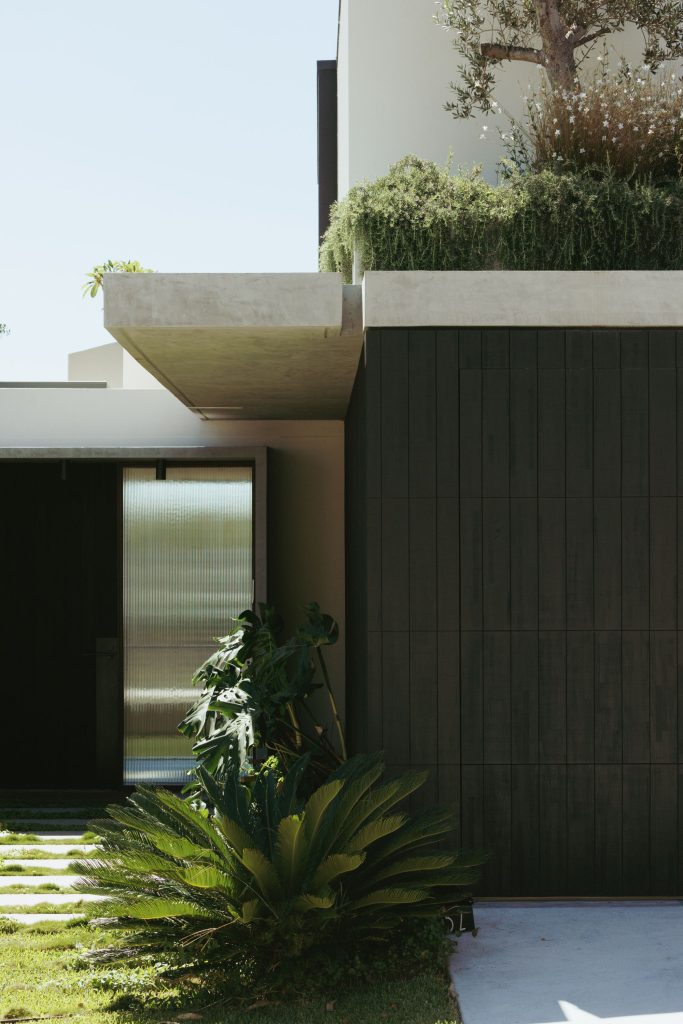
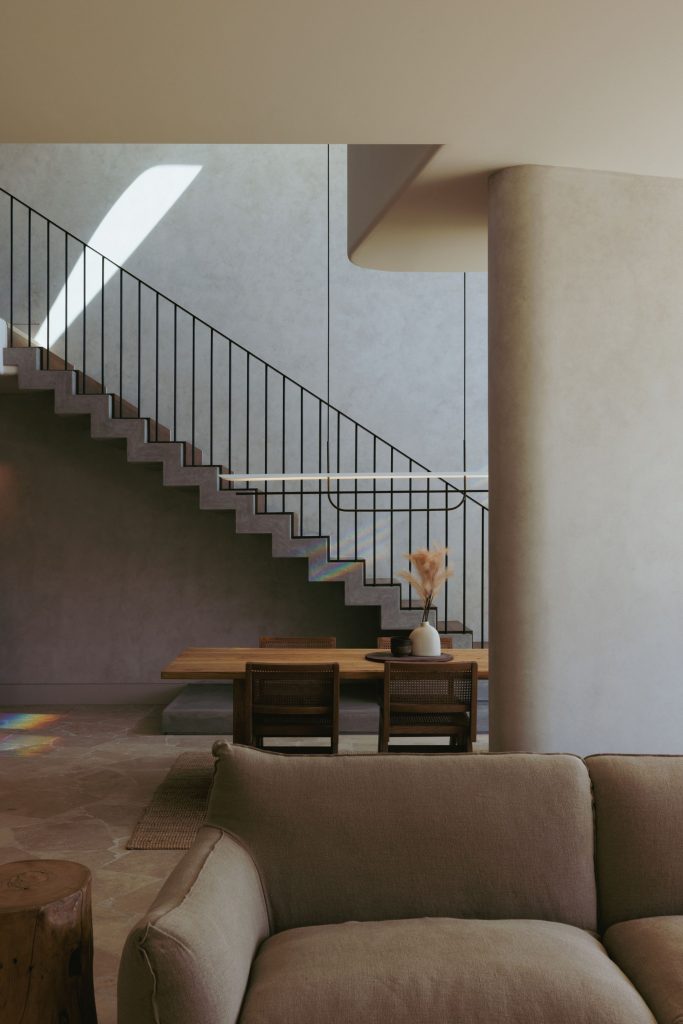
At Little Birch, the ambition was to create a sense of everyday retreat. Resort-like living became the organising principle, with a focus on openness, connection and effortless family life.
Urban Coastal
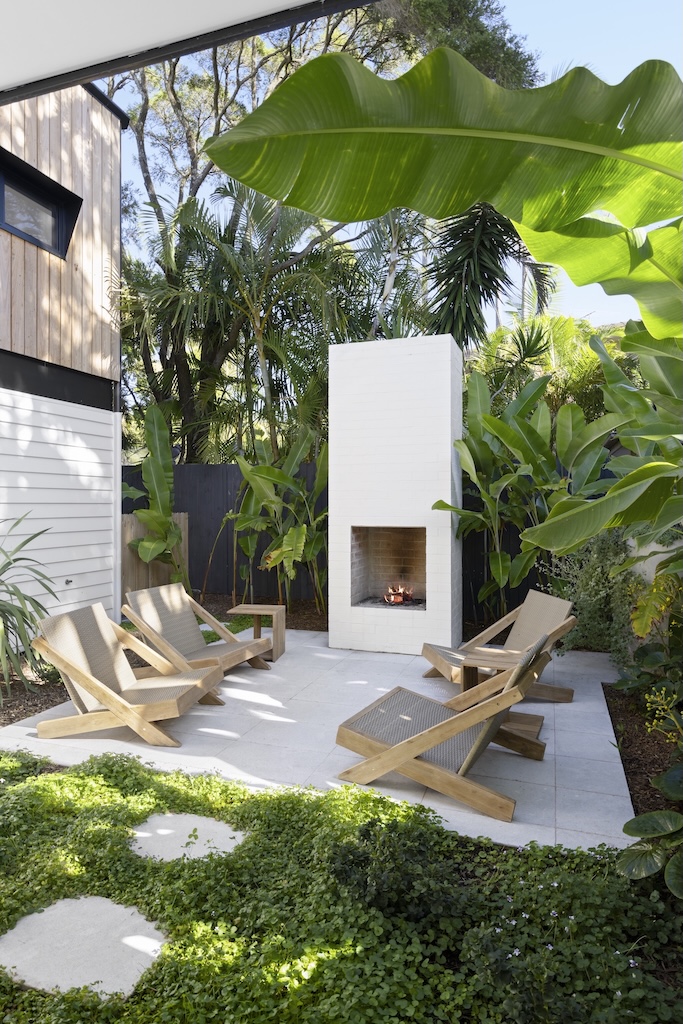
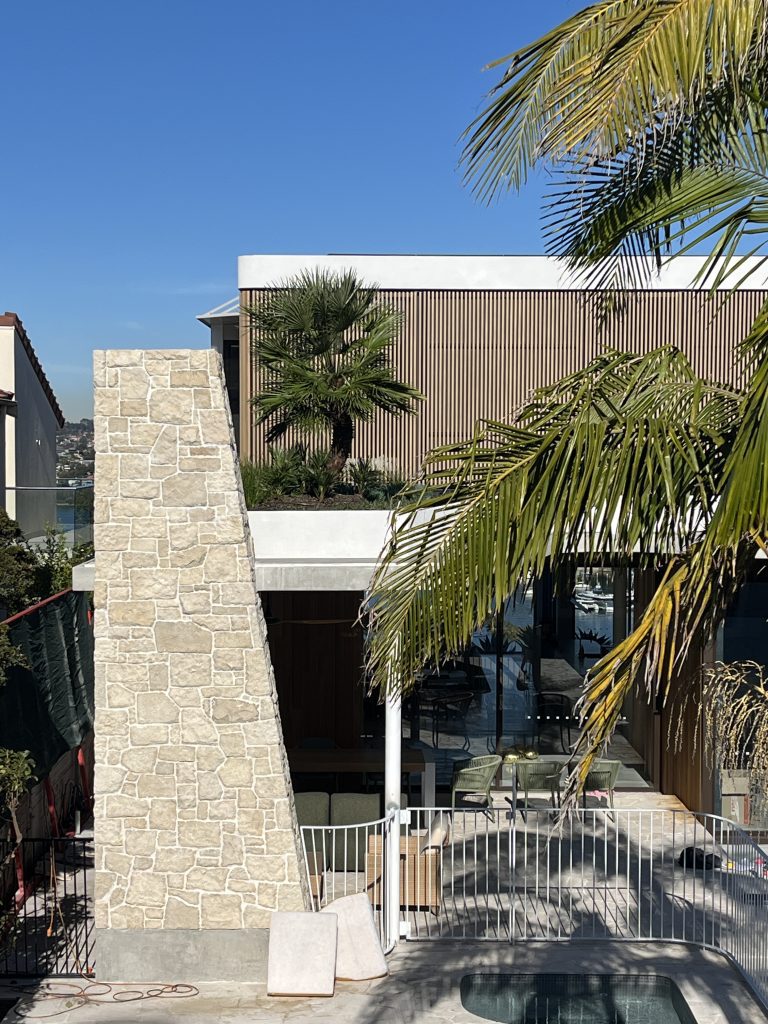
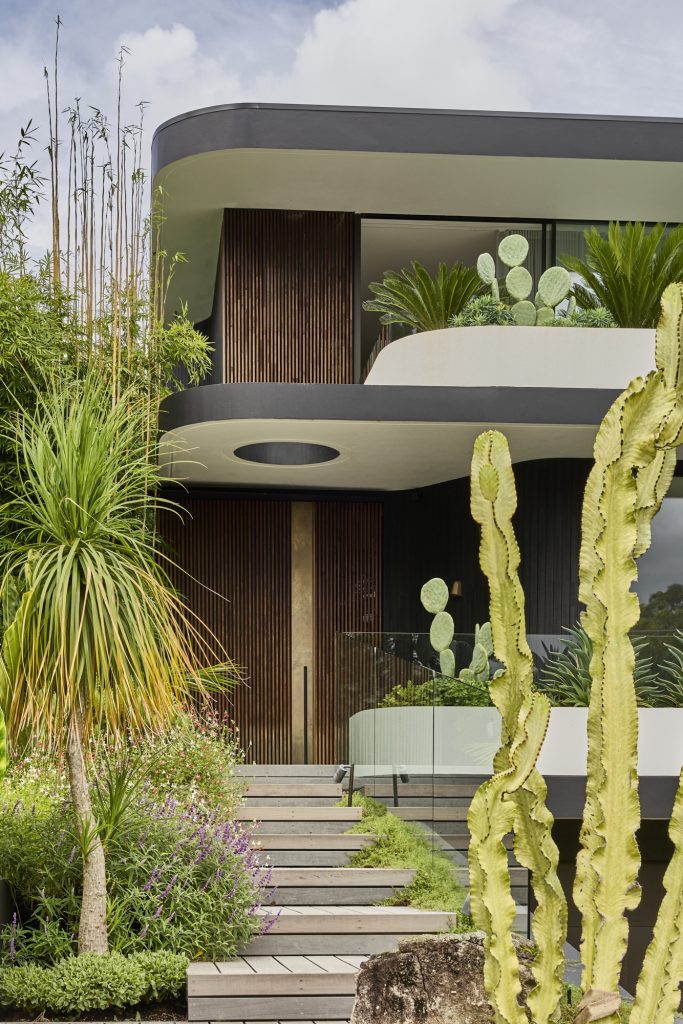
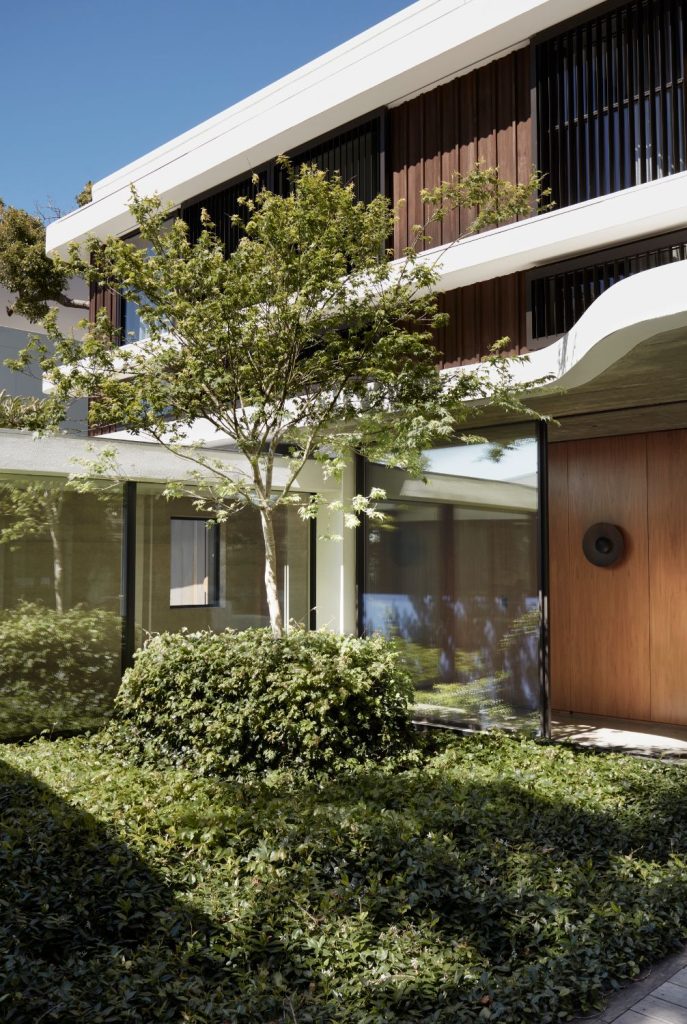
Projects such as Casa Figuiera and Sasso Nero explore a more urban coastal condition, balancing privacy, density and connection to landscape within established suburban environments. Here, calm is achieved through restraint rather than isolation.
Exposed Coastal
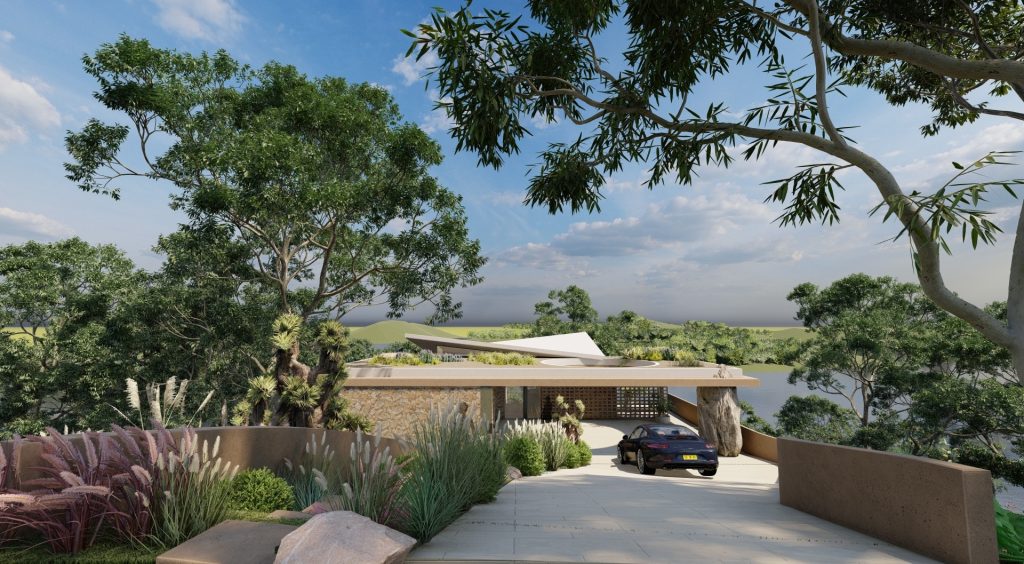
At Gateway and the recently begining construction Peak Mojo, the architecture responds to more exposed coastal environments where weather, topography and outlook become active participants in daily life. These homes embrace their setting rather than simply framing it.
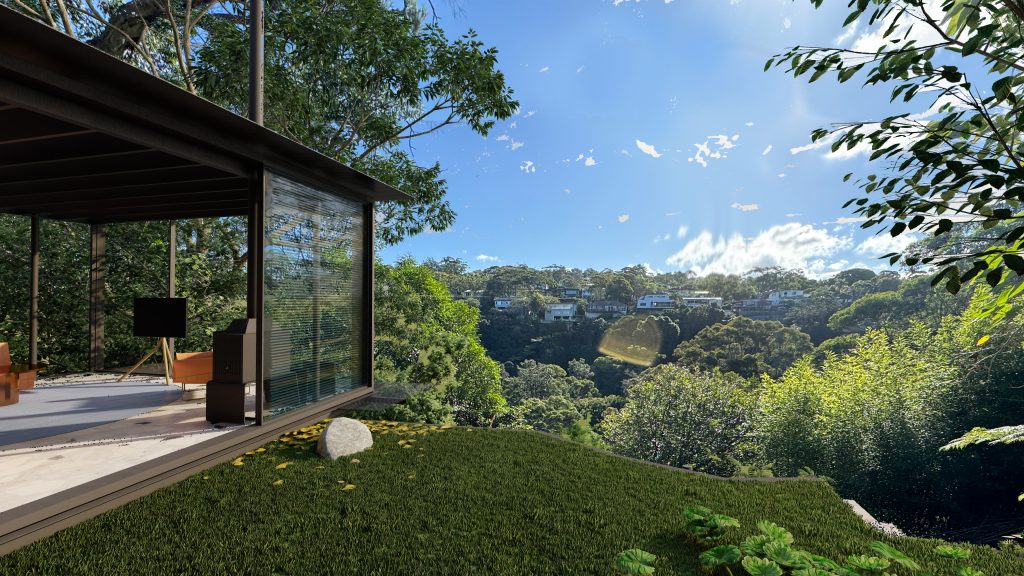
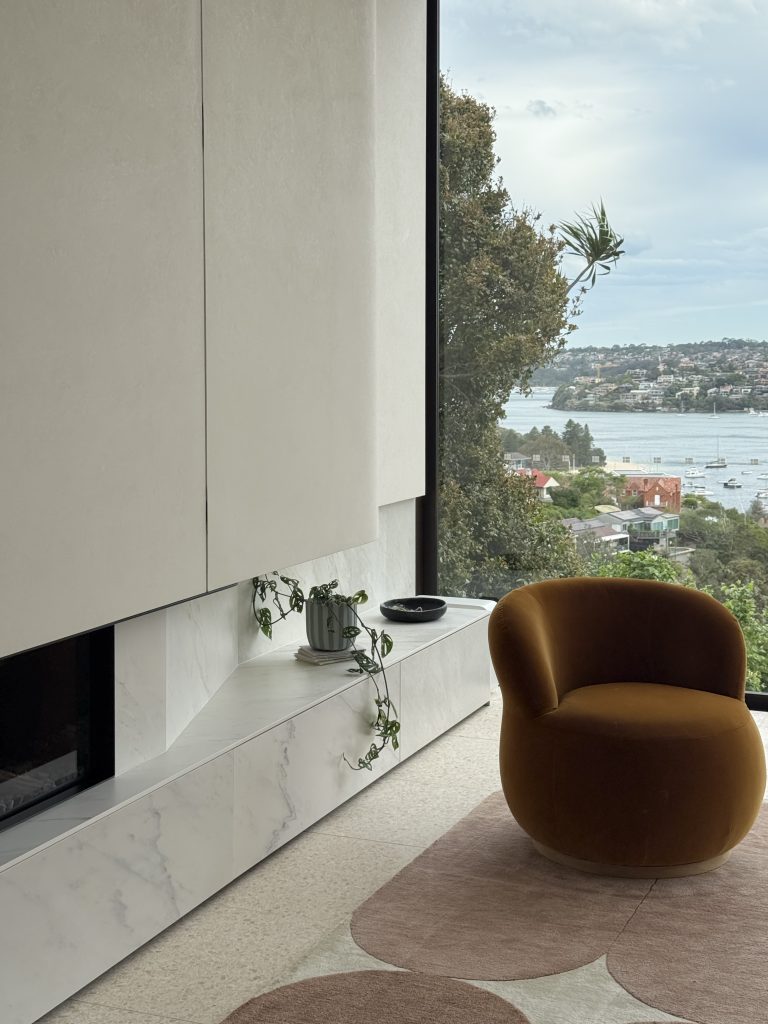
Other projects explore what we often describe as the permanent weekender; homes designed to capture the emotional qualities of a holiday retreat while functioning seamlessly as full-time residences.
The architectural language may shift from project to project, but the underlying objective remains consistent.
To create homes that feel entirely appropriate to both place and people.
Evolution Over Novelty
Architecture should evolve.
New technologies, changing lifestyles and environmental responsibilities continually challenge architects to rethink established approaches.
However, innovation does not always require disruption.
We are less interested in creating homes that simply appear different and more interested in creating homes that live better.
The most meaningful innovations are often the least visible.
They appear in how spaces connect, how families interact, how natural light is controlled and how homes continue to perform over decades of occupation.
These decisions rarely dominate photographs.
They often define the lived experience.
The Best Architecture Disappears
When architecture is working well, families are not thinking about architecture.
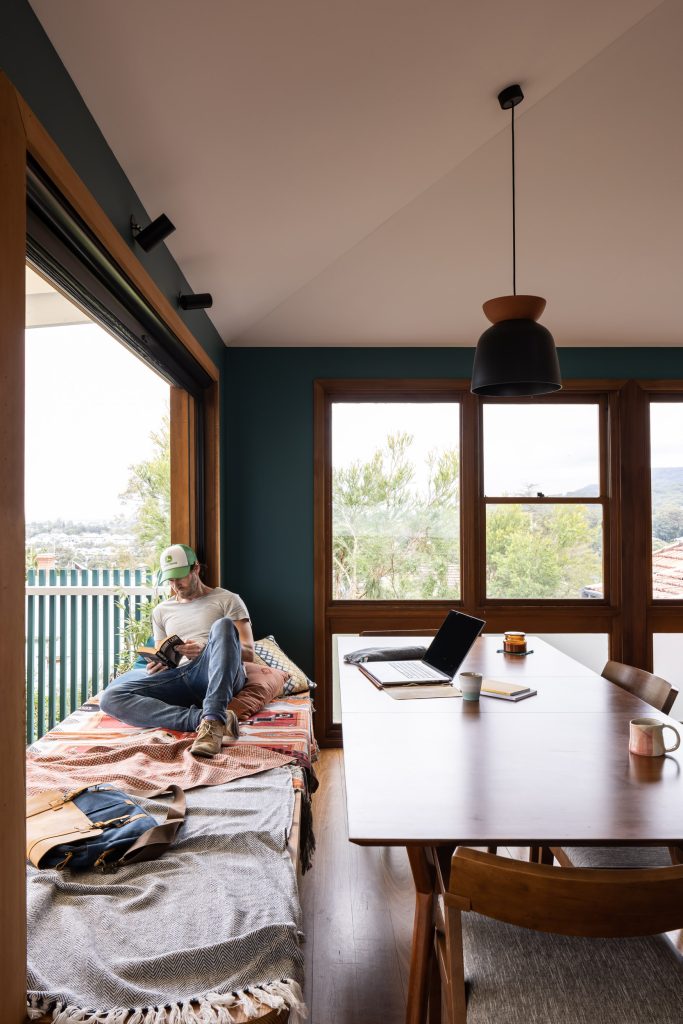
They are enjoying breakfast in morning sunlight. Hosting friends on a summer evening. Watching children move freely between house and garden. Finding moments of calm within otherwise busy lives.
The building quietly recedes into the background.
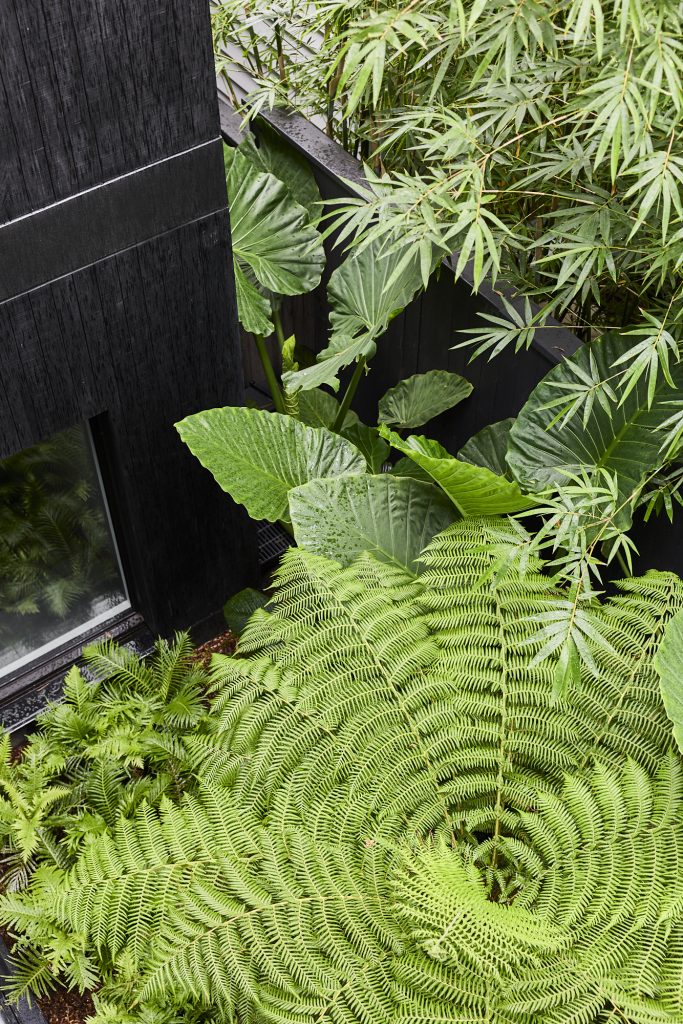
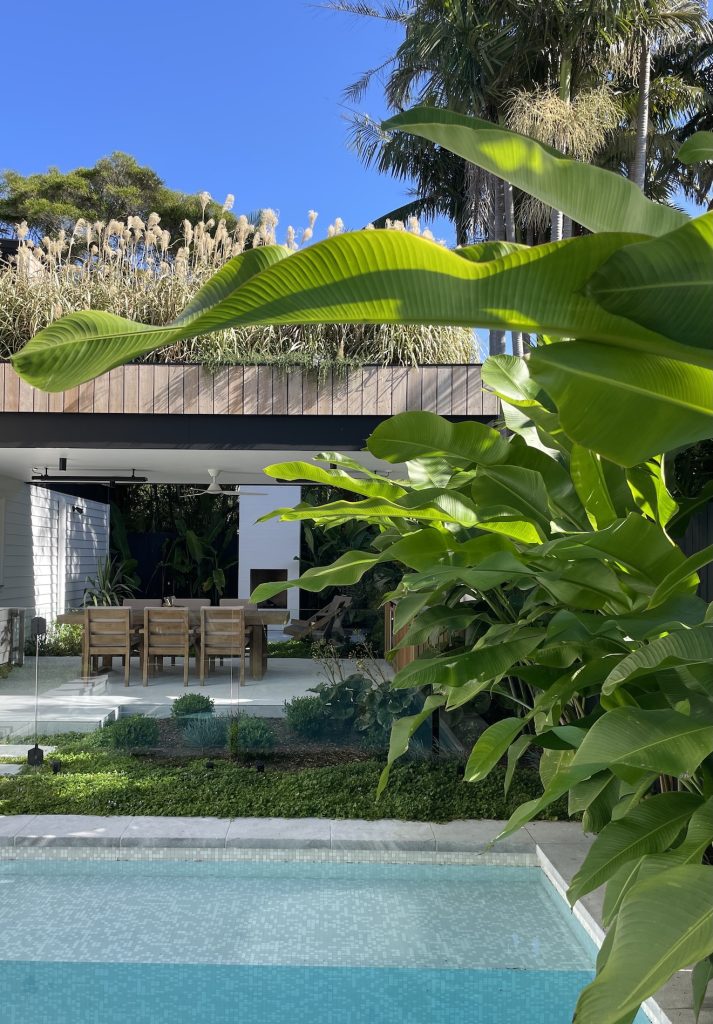
This may seem like a modest ambition in an industry often focused on visibility and novelty.
We believe it is one of the profession’s greatest challenges.
Because true simplicity is never simple.
The homes that feel effortless are often the most carefully designed of all.