

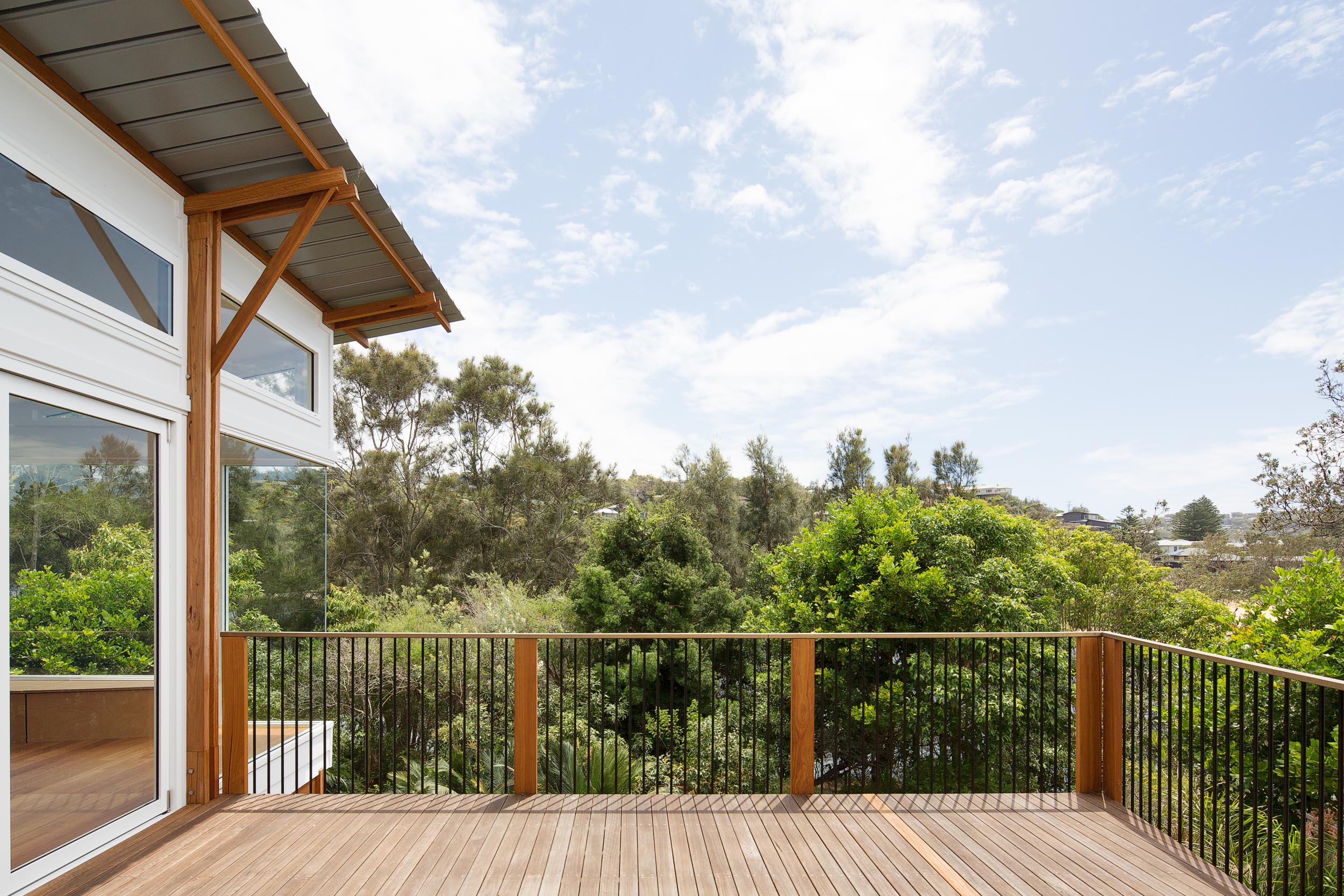
Why 17?
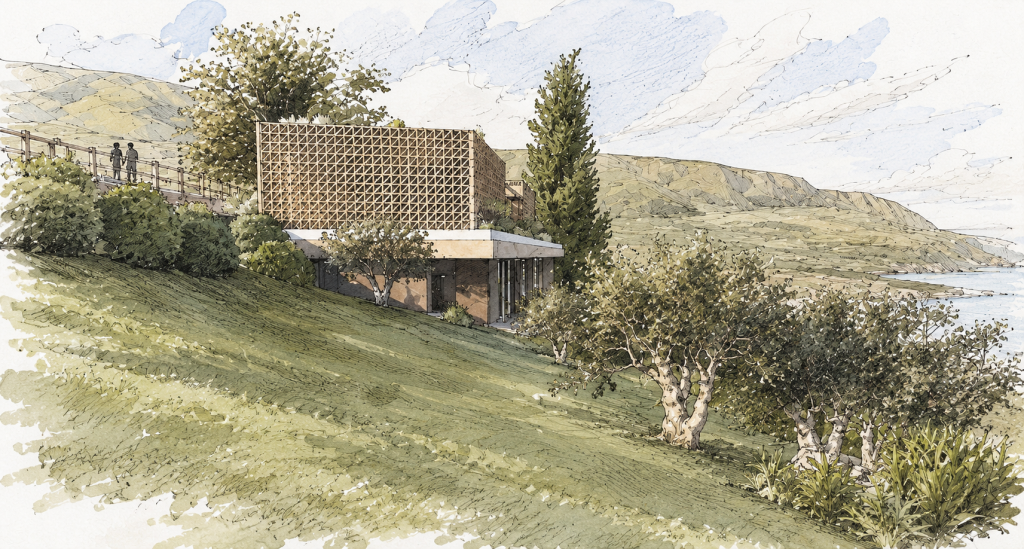
Because that’s how many we could think of.
Over the years we’ve been fortunate to design homes across a wide range of coastal, bushland and steeply sloping sites. Some have overlooked the ocean. Some have sat deep within native landscapes. Others have occupied sites that, at first glance, appeared more constraint than opportunity.
Along the way we’ve learned a few things.
Not all of them came from architecture. Some came from spending time on the coast. Watching weather move across a landscape. Observing how homes age. Understanding how people actually live in them once the excitement of moving in has worn off.
None of these are rules.
They’re simply observations we’ve found ourselves returning to time and time again.
Some are technical. Some are practical. Some might be a little controversial.
But all of them have shaped the way we think about designing homes on complex sites.
01. Size Doesn’t Matter
Almost every project starts with a conversation about area.
How many square metres?
How much can we fit?
In our experience, that’s usually the not the best place to start.
Some of the best homes we’ve designed aren’t the biggest. They’re the ones where every square metre works harder.
On complex sites, chasing area can increase excavation, retaining, cost, planning complexity and sometimes destroy the very thing that made the site appealing in the first place.
Bigger isn’t always better.
Better is better.
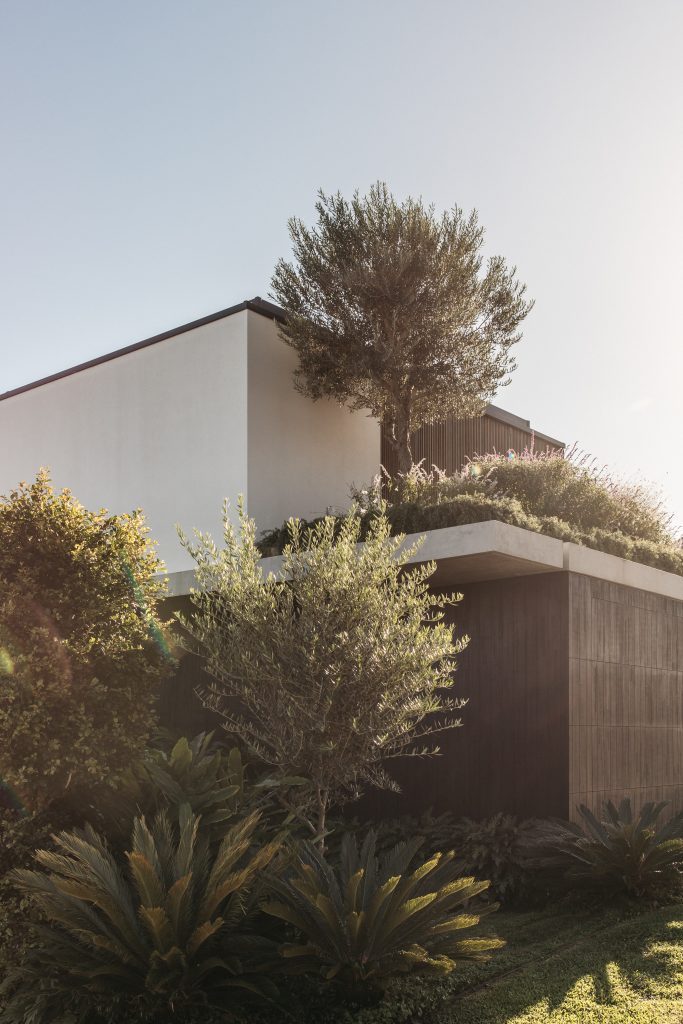
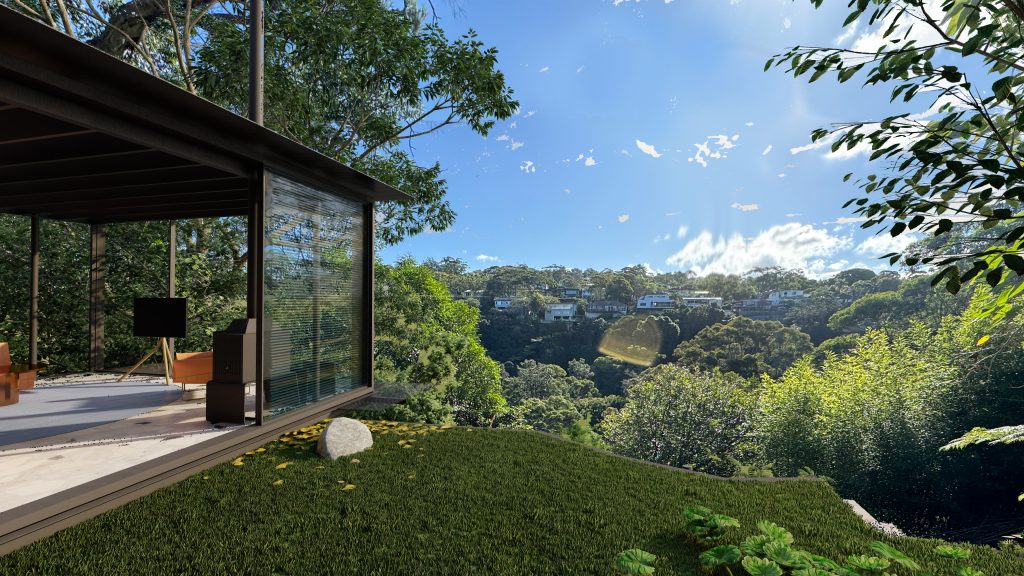
02. The Hardest Sites Produce the Best Homes
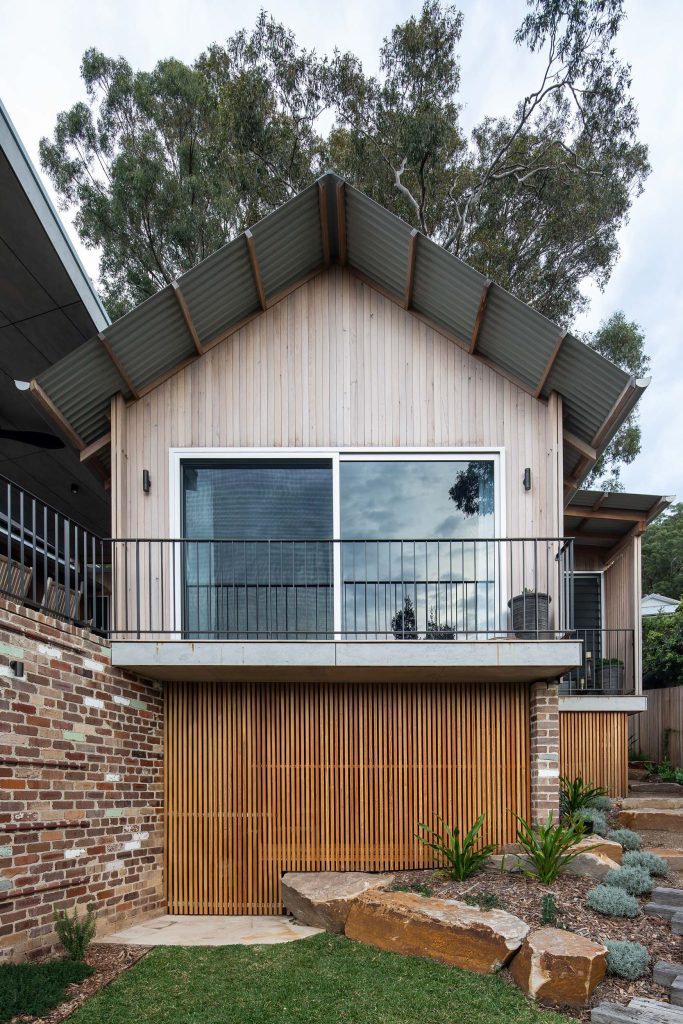
We’ve found there is a strange relationship between difficulty and design quality.
Constraints encourage creativity.
The sites that appear straightforward can produce straightforward outcomes.
The sites that make everyone pause, scratch their heads and wonder how they’re going to work often force a more thoughtful response.
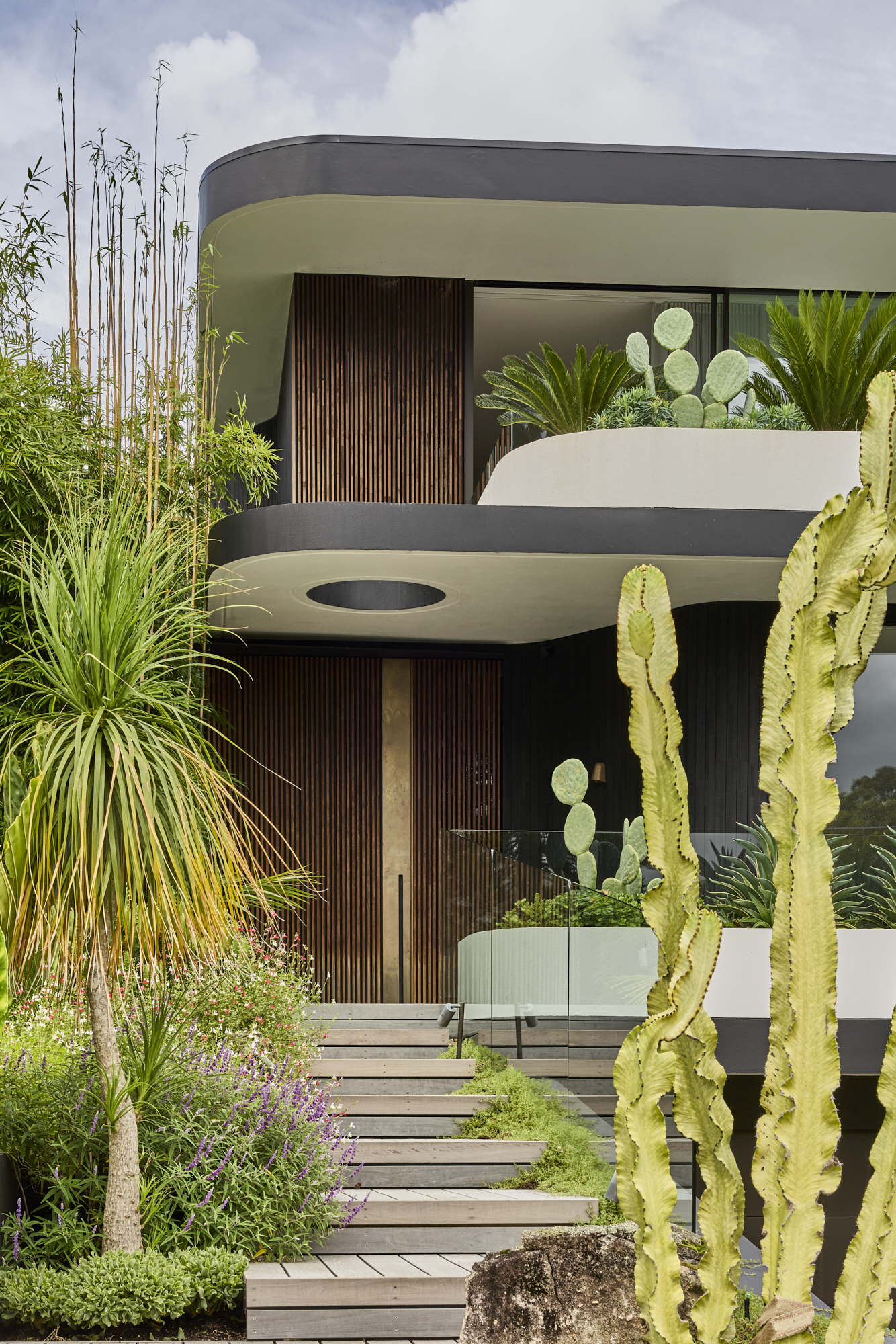
We’ve seen this repeatedly through projects such as Little Birch, recent Seaforth approvals and several coastal Northern Beaches projects where site constraints ultimately became the catalyst for the architectural response.
Some of our favourite projects began with a list of reasons they shouldn’t work.
03. You Can Respect Your Neighbours and Still kick Goals
There is often an assumption that privacy, view sharing and good design sit in opposition to one another.
They don’t.
The best projects usually acknowledge that every site exists within a broader community.
Good architecture can be generous without becoming compromised.
In our experience, thoughtful solutions nearly always outperform aggressive ones.
04. The View Isn’t Everything
This one surprises people.
Views matter.
Of course they do.
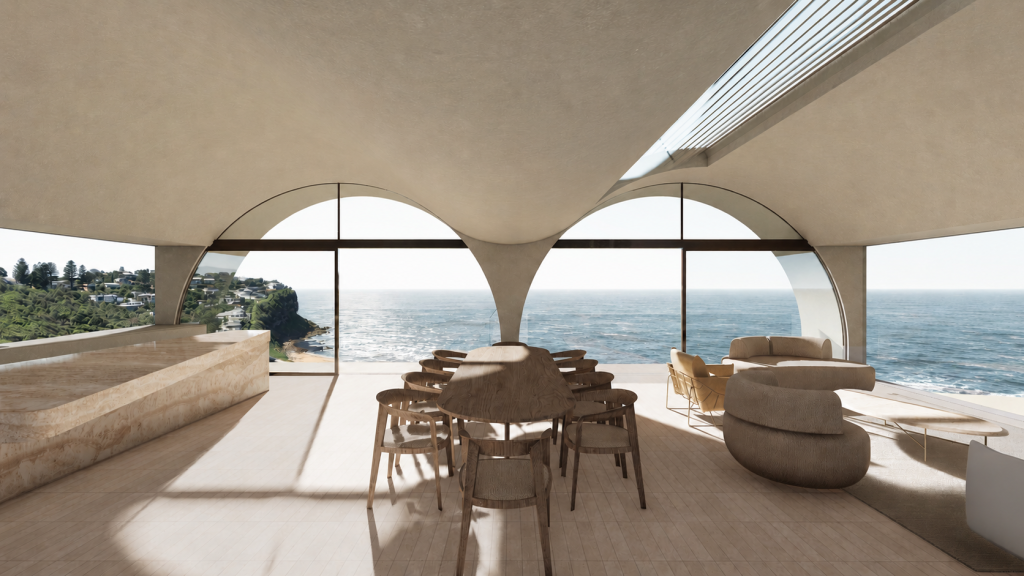
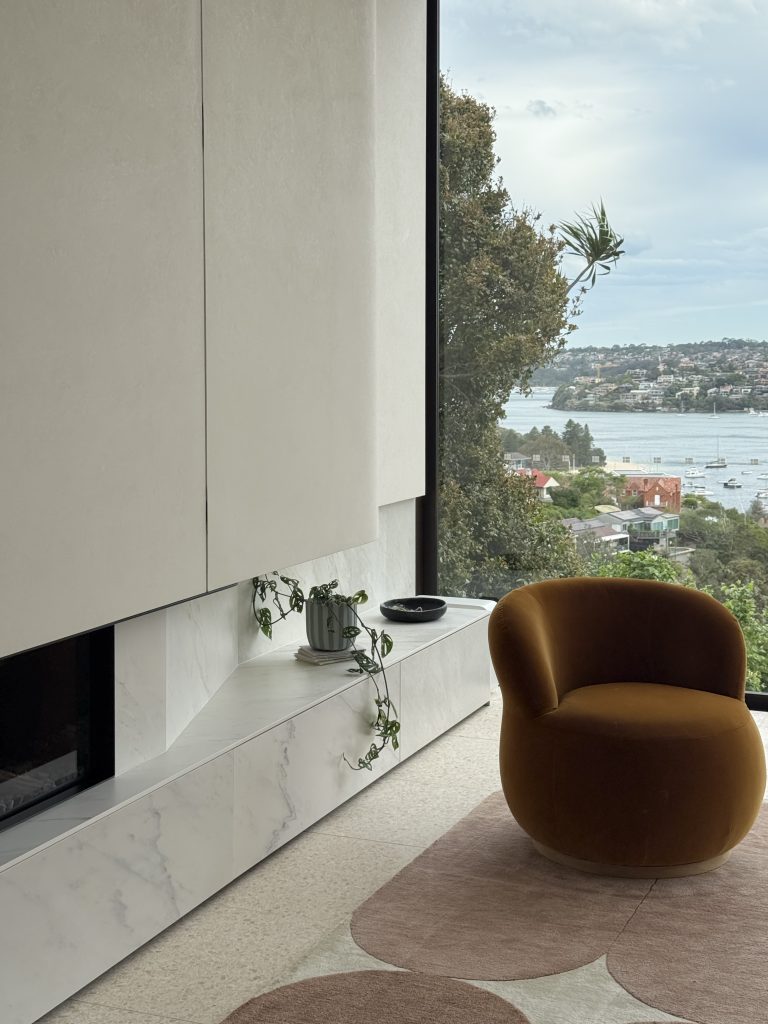
But some of the most memorable spaces we’ve created don’t have the biggest outlook.
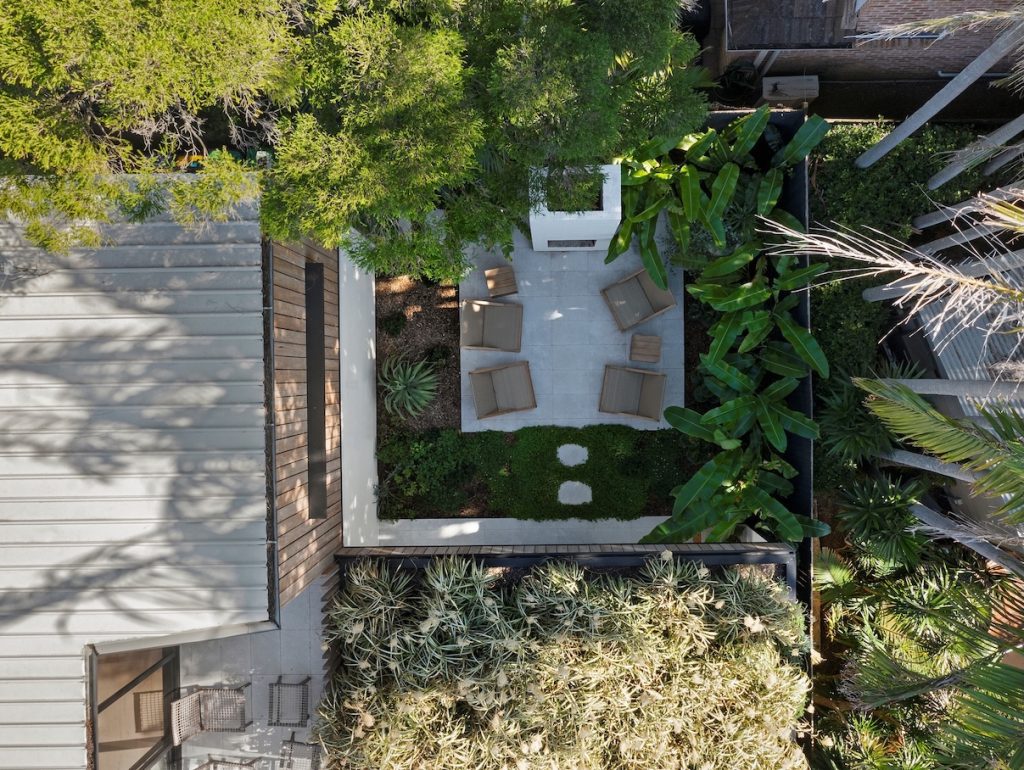
A protected courtyard.
Filtered light through a canopy of trees.
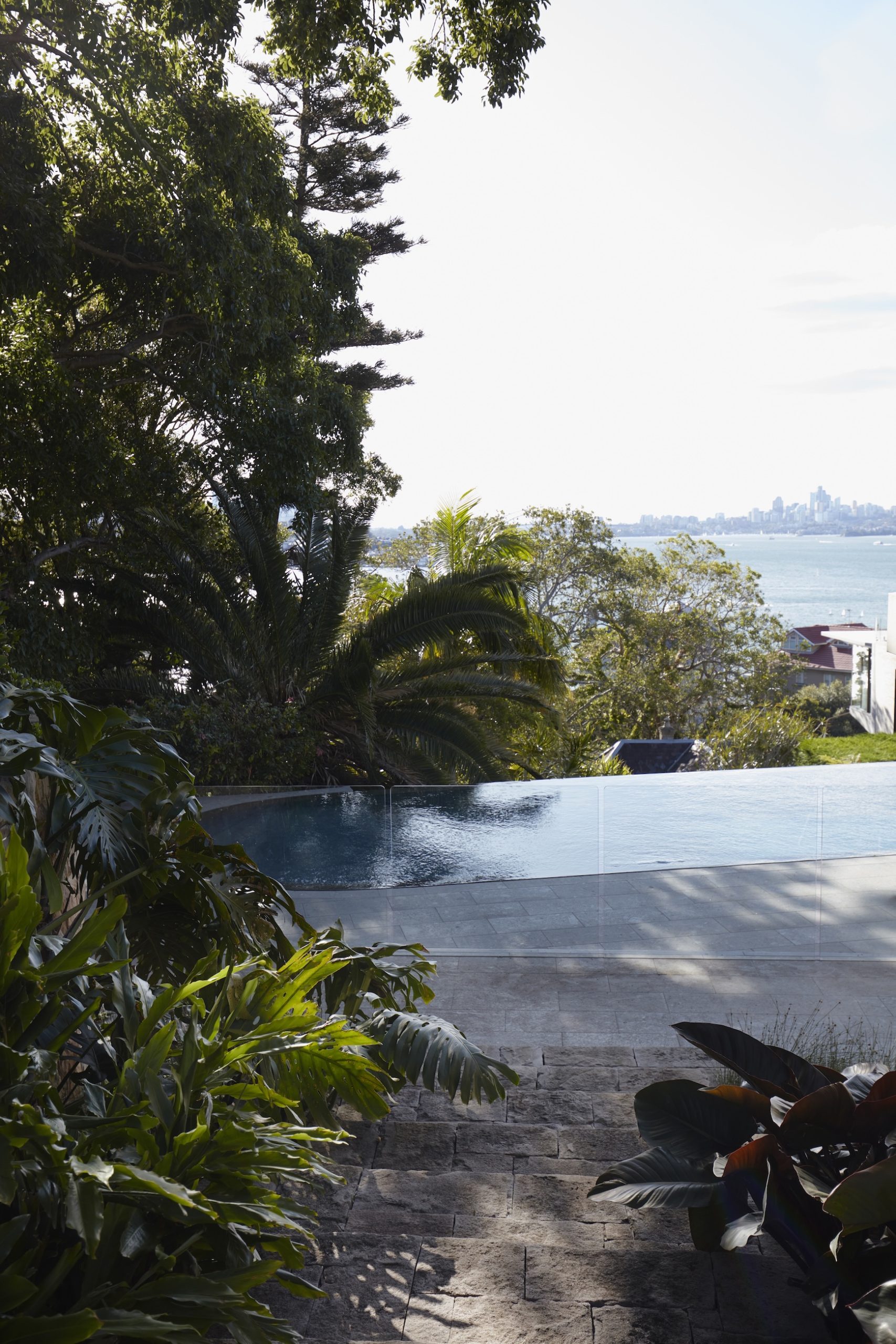
A framed glimpse of water from the end of a hallway.
A quiet place to sit out of the wind.
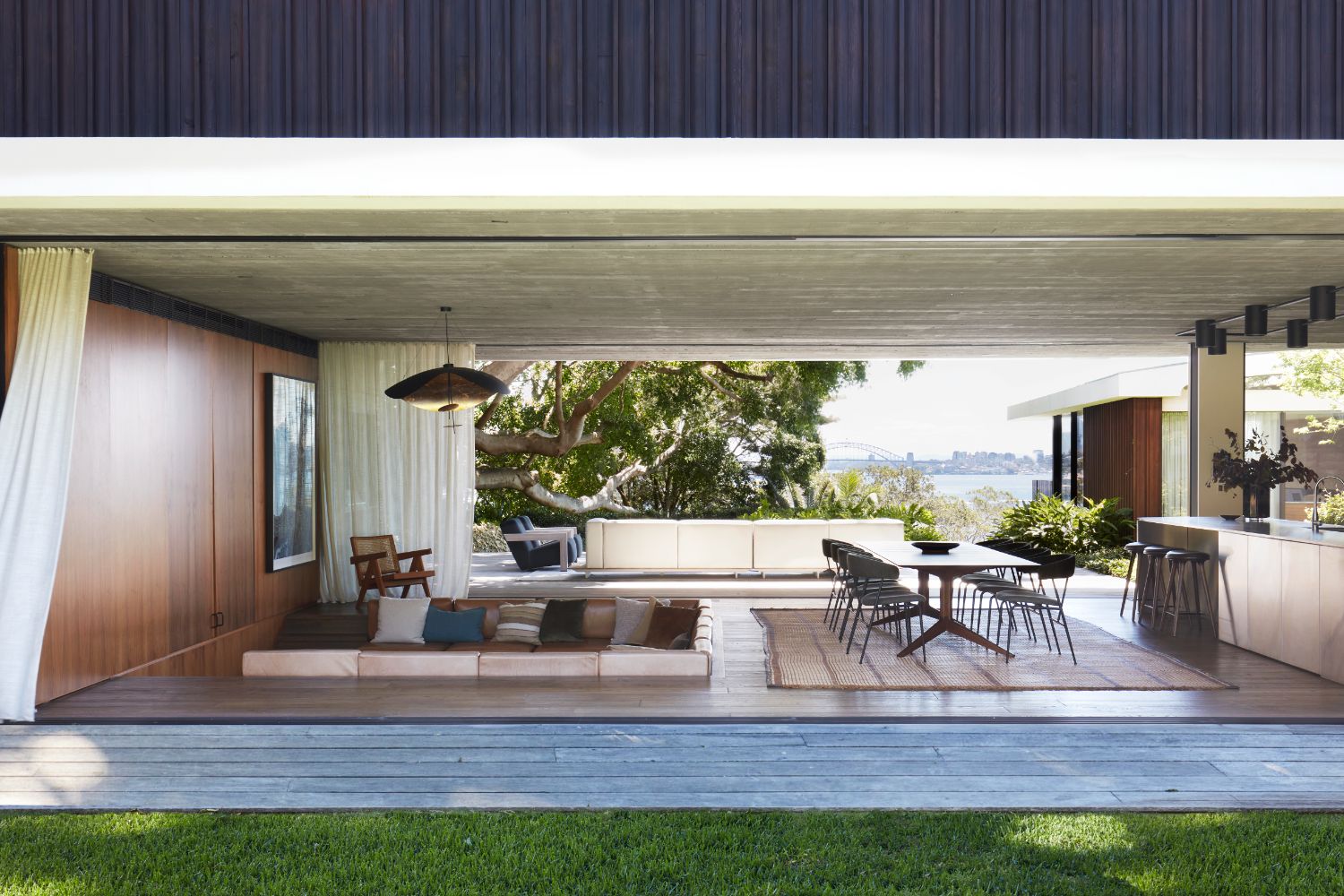
The best homes tend to find value in more than one direction.
05. Wind Is Everywhere – But Different
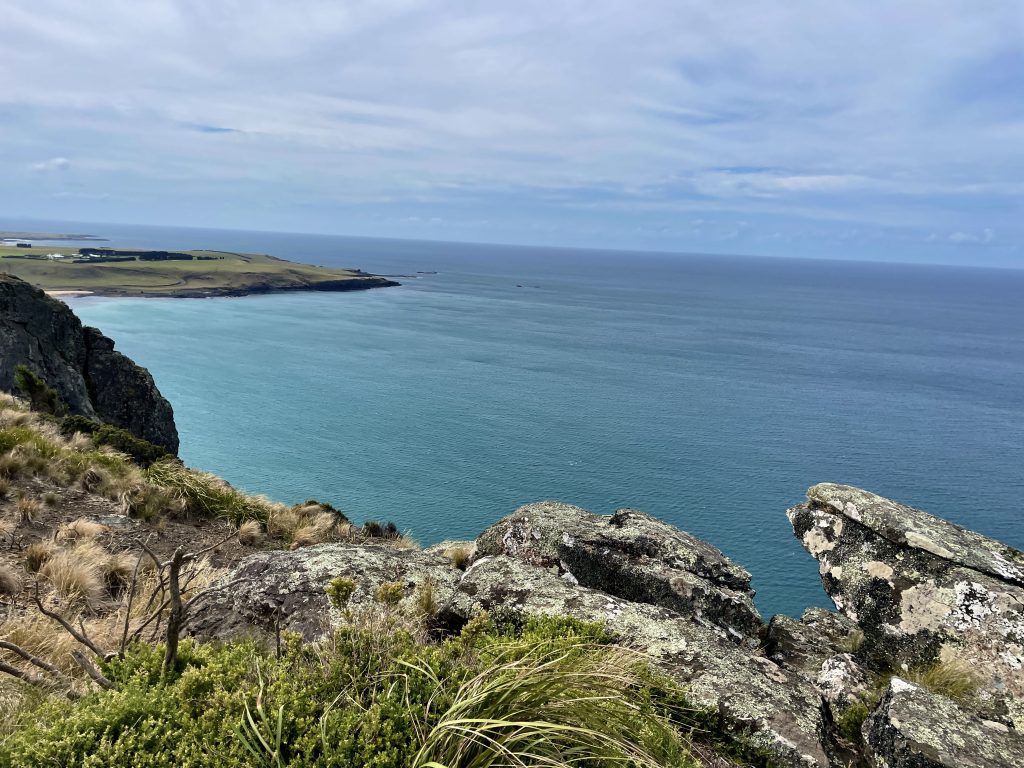
What might be a welcome cooling breeze half a kilometre inland can become an incessant annoyance when you’re properly exposed to the coast.
People often talk about coastal breezes as though they’re a single thing.
They’re not.
Take the Nor’easter. In the right setting it can be fantastic. Open the house up, let the air move through and suddenly a warm summer afternoon feels effortless.
On other sites, particularly exposed coastal sites, that same breeze can become something you spend half the year trying to manage.
Wind influences comfort, outdoor living, planting, privacy and even how a home sounds.
The trick isn’t simply capturing the breeze.
It’s understanding which breeze you’re capturing and when.
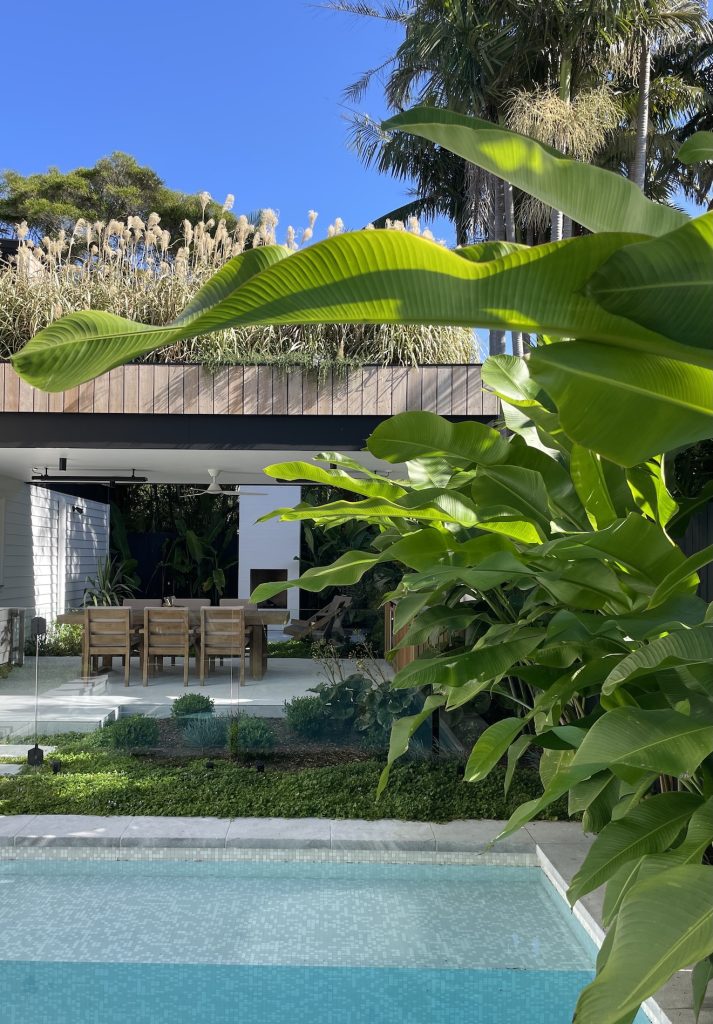
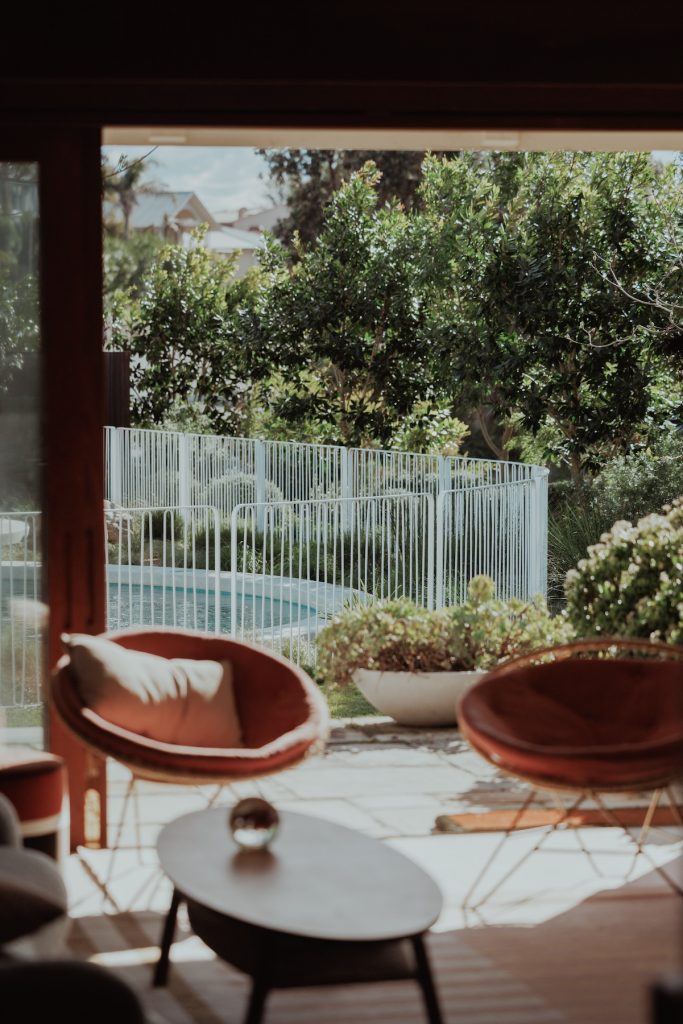
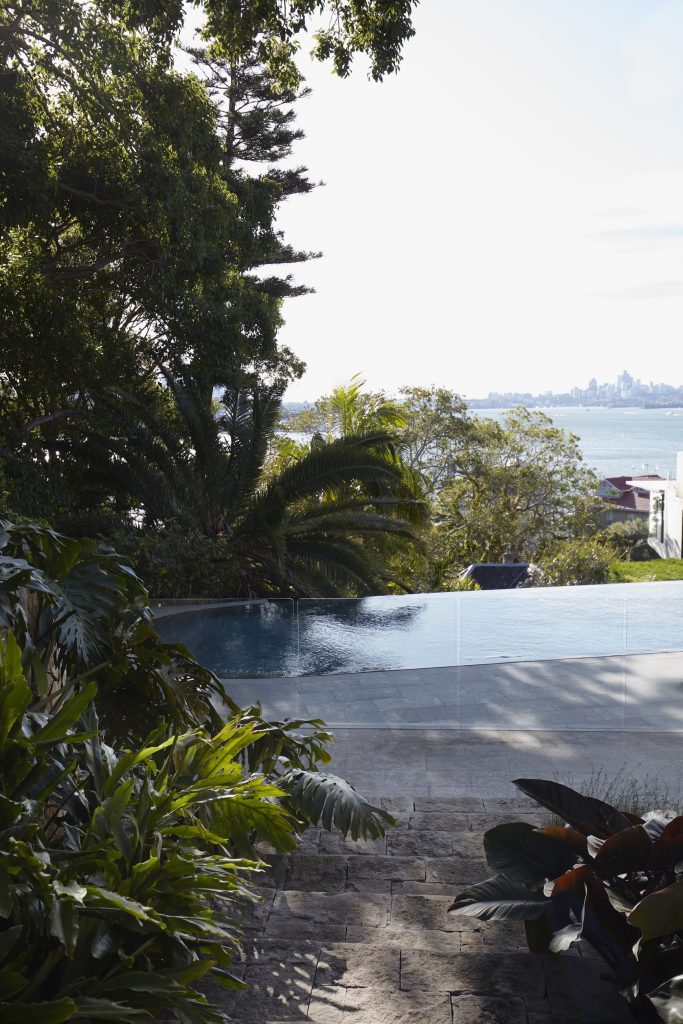
06. She Moves in Mysterious Ways
Wind doesn’t always do what you expect.
Sometimes you can convince yourself how the prevailing winds will behave. Only to realise Microclimates are real.
Topography has a remarkable ability to reshape wind.
Ridges, escarpments, valleys, vegetation, neighbouring buildings and changes in landform can accelerate, redirect, funnel or completely shelter airflow.
Two sites only a few hundred metres apart can experience entirely different conditions.
The more complex the site, the more important it becomes to understand them.
Never assume you understand the wind until you’ve spent time on the site.
07. Southerlies Are a Thing
IYKYK.
This sounds obvious if you’ve spent any time near the coast.
But maybe not like you think. It isn’t always a matter of shielding.
Those Southerly busters on a paint peeling Summers day you want. You can use them to rapidly cool the home but then need the ability to button the home down and weather their passing
A good coastal home should be able to do both.
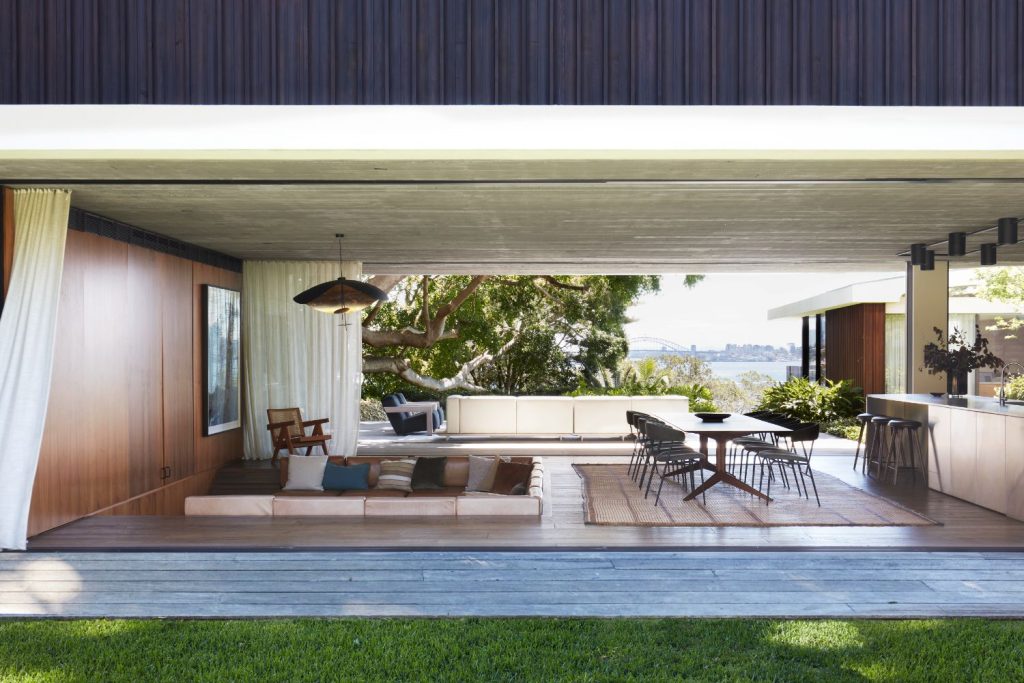
Open up when conditions are perfect.
Close down when they’re not.
Designing for the best day of the year is easy.
Designing for the other 364 is where experience comes in.
08. Bushfire Don’t Stop at the Coast
Being able to see the ocean doesn’t necessarily mean you’re free from bushfire risk.
Many coastal sites sit alongside bushland, escarpments or heavily vegetated landscapes.
We’ve worked on numerous projects where coastal and bushfire considerations were equally important.
The best outcomes consider both from the outset.
09. You Can’t Tech Your Way Out of a Bad Design
Technology is useful.
But it isn’t a substitute for good architecture.
No amount of automation, mechanical cooling or expensive glazing can completely overcome poor orientation, inadequate shading or unresolved planning. Or if it does – it’ll cost.
Good performance starts with good design.
Everything else should support it.
10. Layering Matters More Than People Realise
Not every room deserves the hero position.
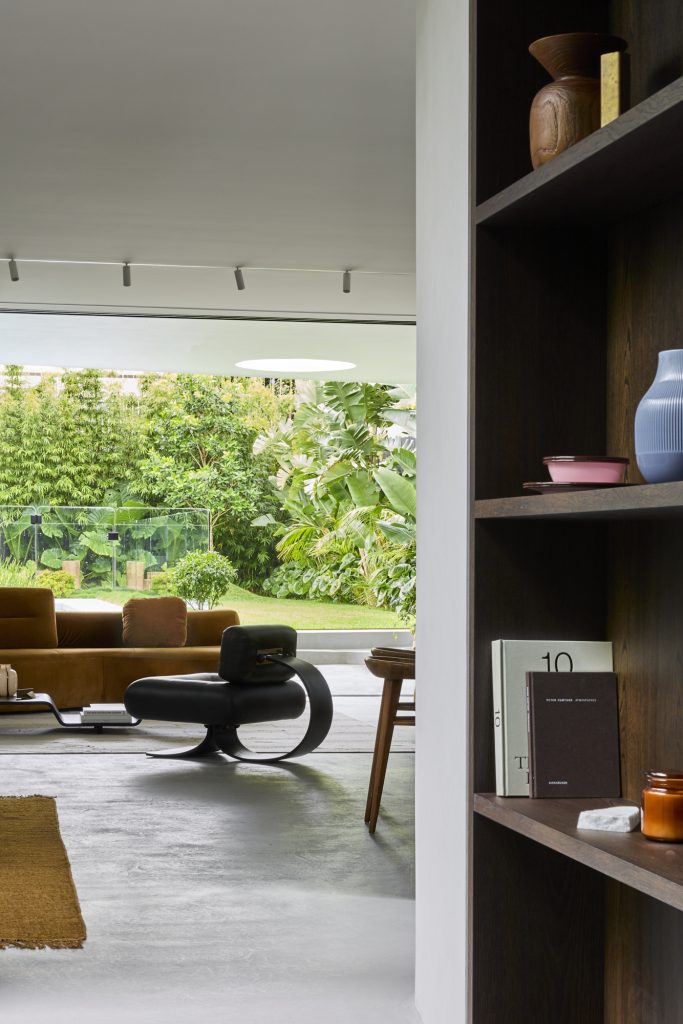
One of the most rewarding aspects of residential design is creating a sequence of experiences rather than a single moment.
Some spaces should capture the view.
Some should connect to landscape.
Some should retreat from it.
The best homes reveal themselves gradually.
11. There Is No Correct Floor for Living Areas
One of the most common questions we receive on steep sites is whether the living spaces should be upstairs or downstairs.
The answer is always the same.
It depends.
The site, orientation, access, views, privacy and the way a family wants to live all influence the answer.
There is no universal rule.
12. Low-Level Glare Can Change Everything
We spend a lot of time talking about views.
We probably don’t spend enough time talking about glare.
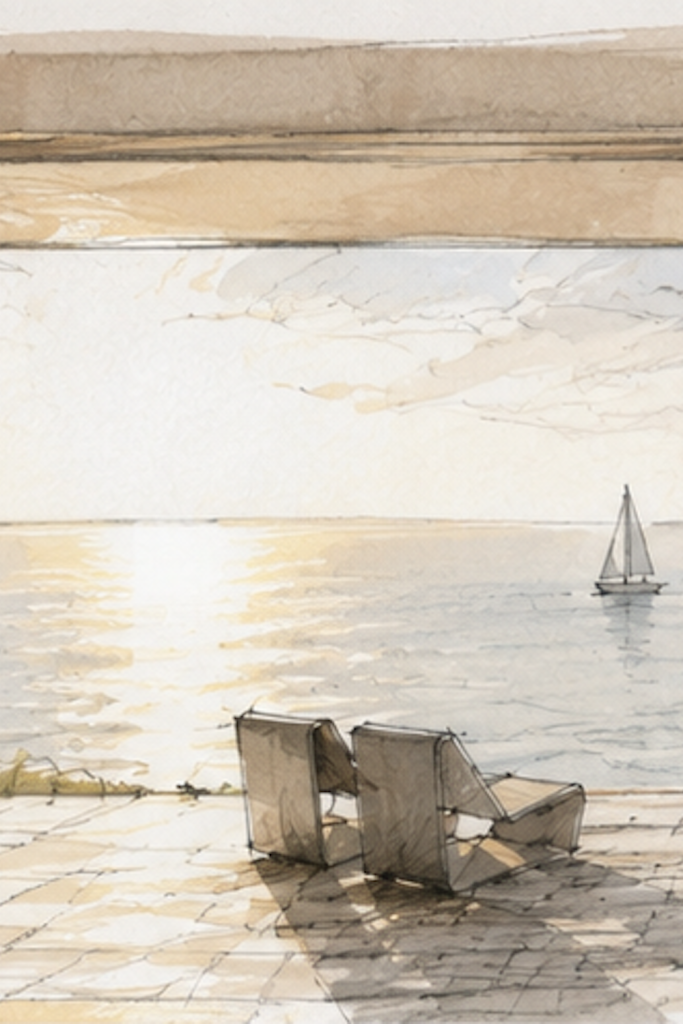
Water, sky and low-angle sunlight can create surprisingly uncomfortable conditions at certain times of day and year.
Sometimes the challenge isn’t getting more glass.
It’s knowing where not to put it.
13. Early Morning Sun Is Hotter Than People Think
Everyone talks about western sun.
For good reason.
But east-facing sun can also be surprisingly intense, particularly on exposed sites where there is little protection.
The quality of morning light is beautiful.
The heat load can be less so.
14. Understanding Materials Cannot Be Overstated
Material selection isn’t just about appearance.
It’s about performance, ageing, maintenance and context.
Some materials perform far better than their reputation suggests.
Others don’t.
The difference is often in the detailing, exposure and understanding of where and how they are being used.
15. Maintenance Is Not Optional
The coast is beautiful.
It is also demanding.
Every material ages.
Every home requires care.
The best projects acknowledge this reality rather than pretending it doesn’t exist.
16. Undercapitalising Can Be More Dangerous Than Overcapitalising
Everyone talks about overcapitalising.
Fair enough.
But on exceptional sites we often see the opposite problem.
A site with extraordinary potential is approached too cautiously and never becomes what it could have been.
Not every site deserves a grand gesture.
Some do.
Understanding the difference matters.
17. Some Sites Deserve Restraint. Others Deserve Ambition.
We’ve learned there is no single architectural response to a dramatic landscape.
Sometimes the strongest move is a quiet one.
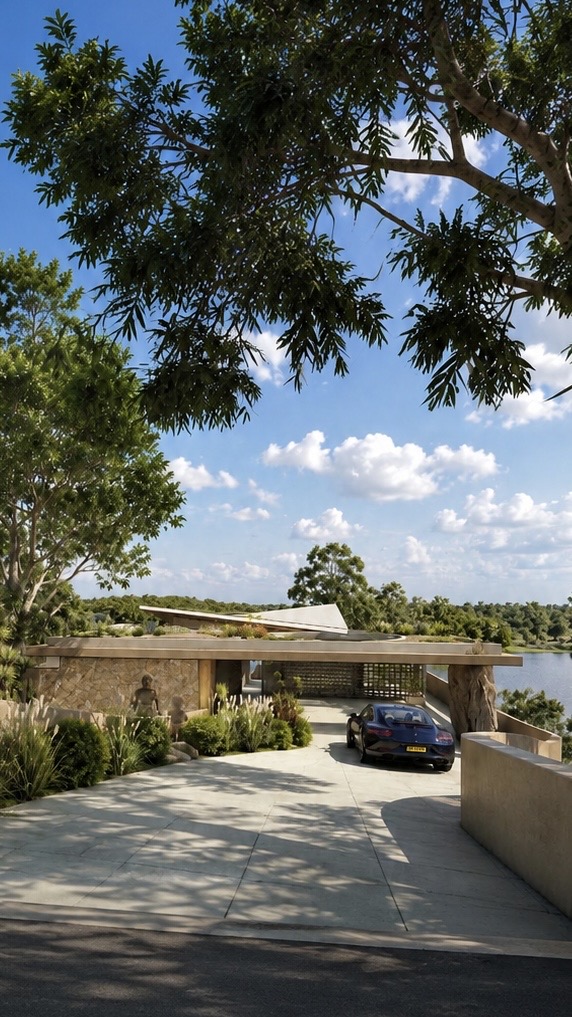
A home that sits gently within its environment and allows the landscape to take centre stage.
Other times, a site presents an opportunity to create something memorable.
Something that contributes positively to its setting and becomes part of the broader story of a coastline, escarpment or landscape.
The challenge isn’t deciding whether to be bold or restrained.
It’s knowing which approach the site is asking for.
Final Thoughts
If there is one lesson that sits above all the others, it is this:
Every site has its own logic.
The best homes rarely emerge from imposing a predetermined idea onto a piece of land.
They emerge from understanding the opportunities, constraints, climate, topography and character of a place, then allowing the design to respond.
Perhaps that’s why some of our favourite projects began with someone telling us it couldn’t be done.
And perhaps that’s why we’re perfectly comfortable ending an article with 17 lessons.
The site didn’t care about round numbers either.
Projects Referenced
Little Birch, Little Bay
Award-recognised coastal residence exploring privacy, outlook and environmental performance.
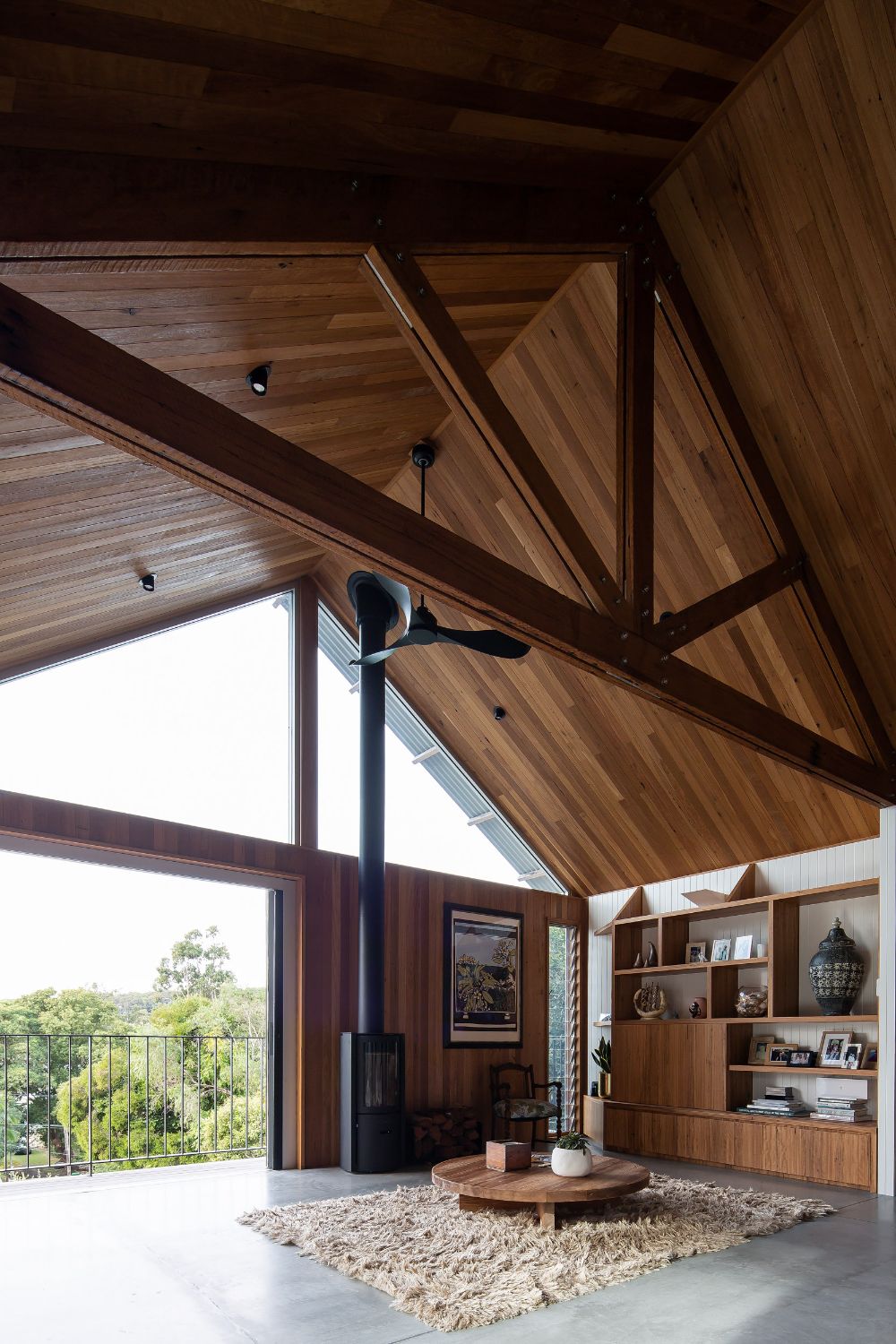
Ta-Ra, Bungan Beach
A study in topography, outlook and connection to landscape.
Seaforth Projects
Recent approvals responding to bushland interfaces, slope and planning constraints.
Cul House, Coledale Project
Architecture shaped by escarpment conditions, coastal exposure and landscape.
Author
Written by Peter James Ahern, Director of buck&simple.
Peter has spent more than a decade designing bespoke homes across coastal, bushland and steeply sloping sites throughout Sydney and regional Australia.
buck&simple is a director-led residential architecture and interiors practice specialising in bespoke homes on complex coastal, bushland and steeply sloping sites throughout Sydney and beyond.
Continue Exploring
This article is part of our broader series on coastal architecture. Explore our Coastal Architecture guide for a deeper look at the principles that shape enduring homes on Australia’s coastline.